What Type of Arborist Makes the Most Money?

The salary of an arborist varies from state to state. Some states have higher salaries than others. There are also different levels of arborists. Read on to learn more about the different types and their salaries. In general, arborists make around the same wage, but you can earn more in some states than others.

Where do arborists get paid the most?

There are many different ways to make a living as an arborist, and salaries can vary greatly by location. For instance, salaries in large metropolitan areas are generally higher than those in rural areas. However, it is important to note that even in large metropolitan areas, salaries can vary widely depending on where you work and the cost of living.

If you are interested in a career in arboriculture, you will need to be passionate about the outdoors. You must enjoy challenging tasks and working with others. Many arborists enjoyed climbing trees as children. You will also need to be well-trained, since the job requires a lot of knowledge about different types of trees and plants. Luckily, there are several schools that can help you obtain your arborist training.

While most arborists are self-employed, you can get experience working with trees by working for a tree service company. An entry-level position is a groundsperson, but you can also work as an arborist representative. Arborists can also work for municipalities or utilities.
What is the highest level arborist?

What is the highest level arborist?

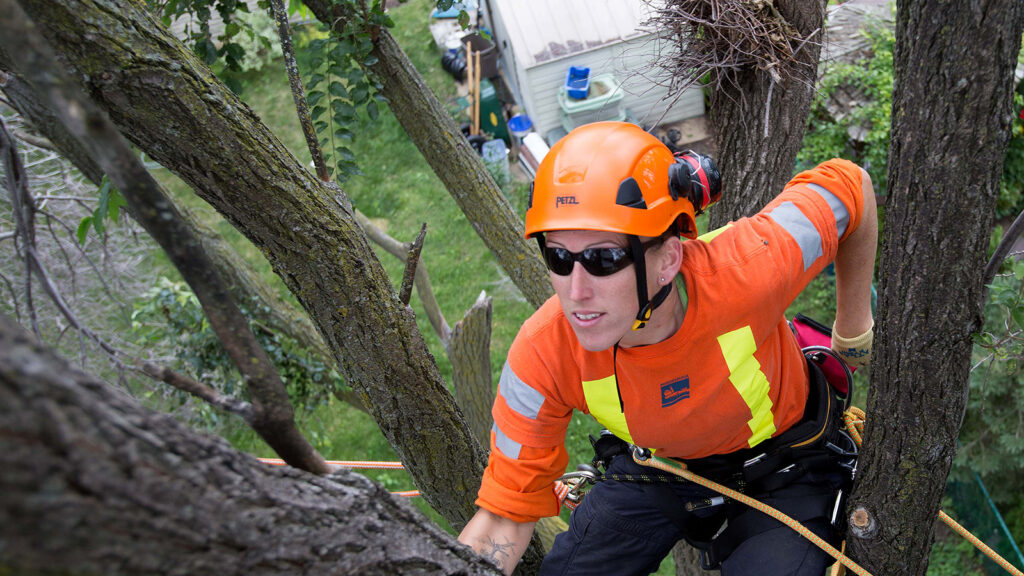
There are several levels of arborist certification. The highest level is called Certified Arborist. This credential is earned after completing a two-day course and completing an assessment exam. The course is mandatory for all Certified Arborists, and a qualified risk assessor must retake the course and exam every five years.

An ISA Certified Arborist can go on to earn the Advanced Arborist credential. This credential requires additional education and experience, as well as passing an extensive exam. This exam tests a certified arborist’s knowledge of arboriculture and tree care. Those who earn this credential are highly qualified for tree-related jobs and are considered the highest level of arborist.

There are several entry-level jobs for arborists. Internships and shadowing arborists are also good ways to gain experience. A beginning arborist may work under a team leader, performing hard labor and climbing trees. This on-the-job training will improve his or her knowledge base and ability to identify different trees.

A certified arborist is a trained professional with credentials and a code of ethics. They understand customer needs and offer a wide range of services.

What state do arborists make the most in?

An arborist’s salary can range from $30,180 to $60,760 a year, depending on their location. Most of these arborists work for the electric power industry, which pays $53,650 on average for arborists in this field. While many arborists work in residential or commercial settings, those who work for the federal government earn the highest wages, at $63,710 a year. Arborists who work for local government agencies make on average $55,840 per year.

Salaries for arborists can vary depending on their location, but generally speaking, the larger the metro area, the higher the salary. This is because salaries for arborists tend to be higher in big cities and in states with high costs of living. Although most arborists do not need a college degree, some employers require it. Arborists may also have to be certified in horticulture or a related field to increase their earning potential.

There is a big demand for arborists. They help maintain existing trees, and are paid an average of $24 an hour. In addition to being in demand, arborists can expect their salary to increase over the years.
Can you make a living as an arborist?

Can you make a living as an arborist?

An arborist’s job is a challenging and exciting one, and it can also give you the opportunity to work outdoors. Arborists spend most of their time outside, so they will need to be physically fit. Arborists must also have at least a high school education, although some work without a college degree. However, if you are planning to pursue a career as an arborist, getting a college degree may give you a competitive edge in the job market.

An arborist is an expert in trees, shrubs, and other plants. They can perform tree surgery, diagnose and treat tree diseases, and control pests. They also prune, maintain, and remove trees. They can also provide advice for homeowners on how to properly care for their trees.

In general, the median salary for arborists is $16 per hour or $33,000 annually. However, top-tier arborists can earn as much as $54,000 a year. The salary of arborists can increase considerably when they open their own businesses.
Is arborist a good career?

Is arborist a good career?

An arborist specializes in the maintenance and care of trees and shrubs. They perform pruning and tree removal to prevent damage to property or power lines. They can also help improve the look of trees and plants by identifying diseased or unhealthy ones. There are many different types of arborist jobs, from working for homeowners to consulting with lawyers, insurance firms, and architects.

This career is ideal for those who enjoy the outdoors. The job requires both a strong mental foresight and physical exertion in changing weather conditions. You may need to climb trees, perform tree pruning, and deal with different types of trees. However, it may be an excellent choice for those who enjoy a challenge and a variety of tasks.

As an arborist, you would be responsible for identifying and removing diseased and unhealthy trees. You would also ensure that trees are able to provide adequate support for the structure of the building. You would also be responsible for the safety of those around you.

What is the difference between an Arborist and a forester?

Trees are a vital part of your home and yard, and it’s important to hire a certified arborist for the job. An ISA-certified arborist is trained and certified in tree care and can give you the best recommendations for your home or yard. While many tree service companies claim to be experts, they might not have the required education and certification to be ISA certified. The only way to ensure that you’re hiring a professional is to make sure they are ISA-certified arborists.

A certified arborist will remove dead, dying, and diseased branches. An arborist will also do crown thinning to open up the tree’s foliage and reduce the weight of heavy limbs. The process will also keep the tree’s natural shape. In general, an arborist will remove about 20% of the tree’s live foliage.

Tree frogs differ from pond frogs in their ability to climb. While pond frogs are built for swimming, tree frogs have sticky pads on their toes and are best suited for climbing. The White’s tree frog is a good example of this type of frog.

from AAA Tree Lopping Ipswich https://ift.tt/lwypHKW
via IFTTT
Pruning Trees – Three General Rules

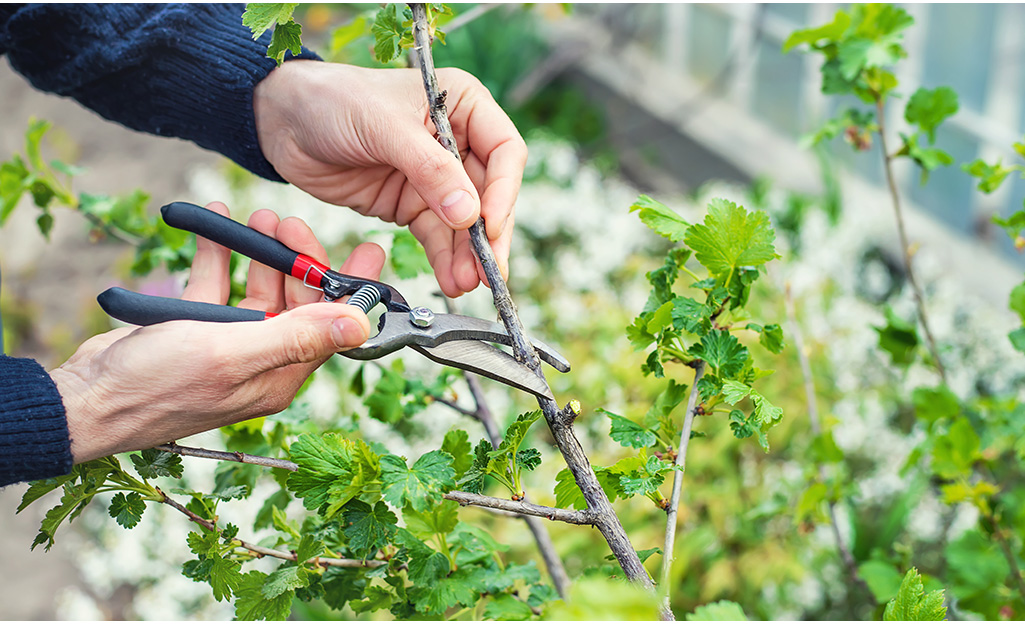
When pruning a tree, there are several important rules to follow. For instance, you should cut back the branches only 1/4 inch above a vigorous branch or bud. Avoid leaving a stub at the end of the cut as this will make it harder to seal the wound.

What are the general rules in pruning?

When pruning a tree, it is important to follow certain general rules to avoid damage to the tree and to encourage new growth. Generally, you should never cut off more than one-third of a tree’s crown in a single year. The age of the plant should also be considered when pruning. Young, healthy trees can tolerate 50 percent pruning, while older, healthy trees can withstand up to 25 percent pruning.

The general rule of tree pruning is that you should keep the top a minimum of two thirds of its height, and keep branches at least two thirds of their length. This prevents the branches from chafing against the central stem, which can cause the plant to rot or develop fungal diseases.

Pruning a tree is a delicate process that must be done with care. Remember that the tree is a living organism, so you should always be precise when making the cuts. A more accurate cut will heal faster and cause less decay in the tree.

What is the three cut method of pruning?

What is the three cut method of pruning?

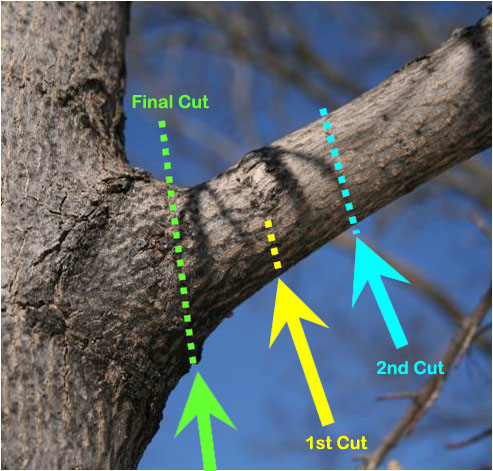
A three cut method of tree pruning can be used to reduce the size of a tree. By making three cuts, you can minimize the risk of damaging the branches’ bark ridge or collar. The collar is a raised ring of tissue at the underside of a branch. The ridge is an extension of the tree’s crotch.

The three cut method was developed by Alex Shigo, a professor and arborist who worked for the United States Forest Service. He studied tree biology and pioneered new concepts in arboriculture. His concepts incorporated compartmentalization and the three cut method. His work was later adopted by many arborists and led to a significant change in the commercial practice of tree pruning.

Proper pruning is critical to preserving a healthy tree. A poorly performed pruning can cause additional damage to the trunk or leave it vulnerable to disease. The three cut method helps create clean pruning cuts and keeps the tree healthy and strong. Here are some tips for pruning a tree:

First, you make a cut on the underside of the branch, preferably at a six-inch to one-foot level. The cut should be shallow to prevent tearing the bark away from the tree. Next, you make a second cut on the opposite side of the branch that’s one to two inches outside of the first cut. This cut should be deep enough to remove the weight of the branch without damaging the tree’s growth.

What are three important reasons for pruning?

What are three important reasons for pruning?

Pruning a tree can be a good idea for a variety of reasons. For example, it can improve the visibility of street signs or help prevent damage to street signs. It can also reduce the risk of leaf disease. Proper pruning also promotes better airflow through the canopy, which allows leaves to breathe and clear excess moisture. Another important reason for pruning is to protect your home and neighborhood from safety risks, such as falling limbs or branches. This is especially important if the tree is growing near structures or heavy foot traffic.

Some trees need pruning after they have bloomed. This is because their flower buds form on the wood they produced during the previous growing season. Examples of these plants include the flowering plum, quince, magnolia, and lilac. Pruning is an important way to maintain the health and beauty of a tree, as well as a number of other plants. Pruning can also slow the growth of a tree and increase its value.

One reason for pruning trees is to promote side branching. Pruning encourages side branching by encouraging side buds to grow near the branch that has been cut. This can also increase the overall branching of a tree, allowing it to produce more side limbs. Aim to prune a tree one foot from the ground for a vigorous new growth.

How do you properly trim a tree?

How do you properly trim a tree?

Before you begin trimming a tree, you need to know the proper techniques and steps. For example, you should never prune a tree where power lines are located. It is also important to avoid cutting a branch that is growing straight up. This can cause a wound that can rot.

A good rule of thumb is to cut the branch off at a 45-degree angle to the trunk. This will prevent water damage and encourage the formation of callus. If you don’t follow this rule, your pruning efforts may end up in failure. Moreover, improper pruning may cause the tree to suffer rot or disease.

First, you need to determine which branches should be pruned and which ones should be left. You should cut off branches that grow inward because they are not healthy. You should also cut off branches that are overhanging your house, blocking your walkway, or threatening telephone wires. You should also avoid removing more than 25 percent of the canopy at one time.

Another important tip when pruning trees is to avoid pruning them during extremely cold weather. The cold weather will make the tree prone to disease. Also, don’t prune a tree during the fall when there is less sunshine. Fall pruning can lead to problems for a healthy tree because it can lead to decay and disease. Always wait until the sun is shining and the branches are dry before pruning them.

Why is pruning necessary for trees?

Pruning is essential in order to keep your trees healthy and safe. Broken or unhealthy branches may fall easily and cause property damage. Proper pruning will also allow your trees to get proper sunlight without competing with each other. It will also help keep your property safe during storms. It is important to know that not all branches are visible after storms, so a preliminary walk around your property is essential.

Proper pruning helps trees grow more efficiently and produce more fruit. For example, pruning will keep large canopy trees from obstructing grass in the base. It will also allow lower branches to get plenty of rain and sunlight. It also reduces pests and disease. Pruning also allows for better air circulation in the canopy, which allows leaves to breathe and eliminate excess moisture. Proper pruning also helps fruit trees grow larger.

When pruning trees, it’s important to avoid cutting branches flush to the trunk and collar. The collar contains chemically protective tissue that encourages wound sealing. Leaving the collar in place may slow the healing process and harbor disease organisms. If a tree’s wound doesn’t heal properly, it will continue to develop a wound that can harbor bacteria and hinder the tree’s health.

How often should you get your tree trimmed?

Trees need to be pruned regularly to maintain their health and appearance. Pruning is especially important for young trees, since they need to establish a sturdy structure. A certified arborist can advise you on the right pruning schedule based on its age and health. Pruning should occur every two to three years for mature trees, but younger ones may need to be trimmed annually or more frequently.

You should get your tree pruned at least twice a year, especially if you have a fruit tree. A strict schedule is important for oak trees, which should be pruned at least twice a year, while older trees should be pruned every three to five years. Fruit trees also need regular pruning, and pruning during their dormant period encourages new growth. Use a pruning saw, manual or mechanical, to cut off dead or dying branches.

Trees should be pruned if they are growing too long or have unhealthy branches. A tree with heavy branches can break and splinter, and it may be susceptible to disease and pests. Getting your tree pruned on a regular basis will keep your tree healthy and look great for many years.

from AAA Tree Lopping Ipswich https://ift.tt/dUexY2i
via IFTTT

What Animals Dig Into Tree Stumps?

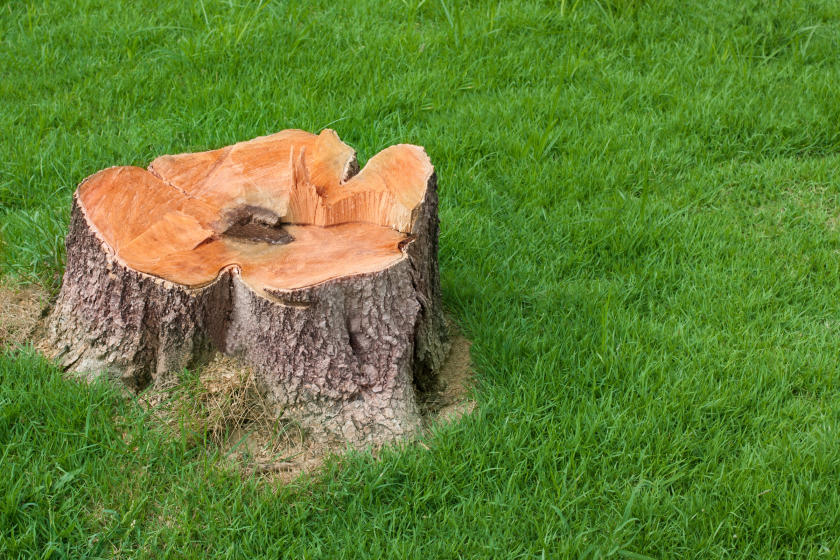
Tree stumps and holes in trees are a common occurrence. These holes, or pockets of decay, are caused by a variety of factors. These may include improper pruning techniques or large limbs that were knocked off during a storm. They can also be caused by animals like grey squirrels that feed on tree sap and strip the bark from trees. Even mild damage to trees is bad for their health, as it opens an entry point for pests.

What will dissolve stumps?

Tree stumps are a common site for animals to burrow. Carpenter ants can live in old logs and stumps, and they’re a popular source of food for black bears. During late fall, when bears are trying to gain weight, they’ll often tear into a tree stump. This can be a good place to plant ferns, and many species of wildflower can grow around a stump.

Woodpeckers are another common culprit. They make holes in trees and eat insects that feed on the tree’s sap. Their holes are sometimes up to half a foot wide and are used by the animals as nests. They also leave a sawdust-like frass behind.

When an animal digs a hole in a tree stump, it may not be immediately visible, but a piece of wood or a twig placed over it may help identify the species. Snakes, which can be dangerous, may remain in the hole for days or hibernate there.

Wood-boring insects are also attracted to tree stumps. They can spread disease to nearby trees and shrubs. A diseased tree stump can ruin a landscape and cause a large bill.

What animal eats from a tree?

What animal eats from a tree?

You may be wondering what animal eats from a tree stump. Trees are home to many creatures, including a variety of insects and livestock. Many of them are known to eat the bark of trees. Knowing what these animals eat from your tree stump can help you care for it better and recognize any signs of infestation.

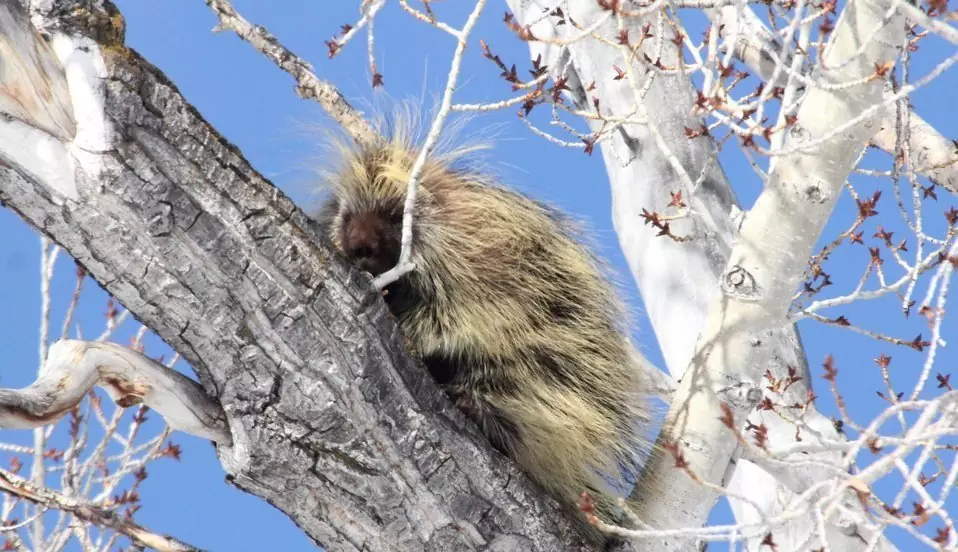
Animals that consume tree stumps include woodpeckers and sapsuckers. These animals use their powerful beaks to penetrate the tree bark and feed on tasty insects. Hummingbirds also feed from sapsucker holes. Other animals that eat tree stumps include beavers, who rely on trees for food, shelter, and water. A single beaver can destroy hundreds of trees in a single year. Boar, or feral pigs, are also known to eat tree stumps. These animals are also known to uproot young trees for their roots.

There are many types of animals that eat tree stumps, including squirrels, gophers, and rabbits. These animals also eat the bark of trees and sometimes burrow into them. Most of them prefer trees with thin bark, but some will eat everything from the roots to the bark.

Voles are another animal that eats tree stumps. Voles live in New Jersey and Pennsylvania and eat tree roots, bark, and other tree material. These animals have a long, dormant season, and they try to put on weight as the winter approaches.

What animal lives in a log?

If you’ve ever wondered what animal lives in a log, the answer might surprise you. Logs serve as habitat for several different species, including woodpeckers and beetles. Beetles eat dead trees and logs, and they help the decomposition process by consuming cellulose. They also provide shelter for a variety of other animals, including spiders, ants, and millipedes. Lastly, many species of mammals and birds use logs as nesting sites and food sources.

Insects are also known to live in logs, such as Jerusalem crickets. These are commonly found under rocks and logs, and they come out only at night. Some types of snakes are also found under logs, including ring-necked snakes. Ring-necked snakes live in logs and rocks during the early spring and late winter, waiting for prey, much like sharp-tailed snakes do.

Other animals can live in rotting logs, including mice, rats, squirrels, and raccoons. You can also find fungi, bacteria, and earthworms on a rotting log. These creatures eat decomposing vegetation and use it as a source of nutrients. In addition to decomposers, you may also find earthworms and snakes, which feed on rotting logs.

What trees can regrow from stumps?

What trees can regrow from stumps?

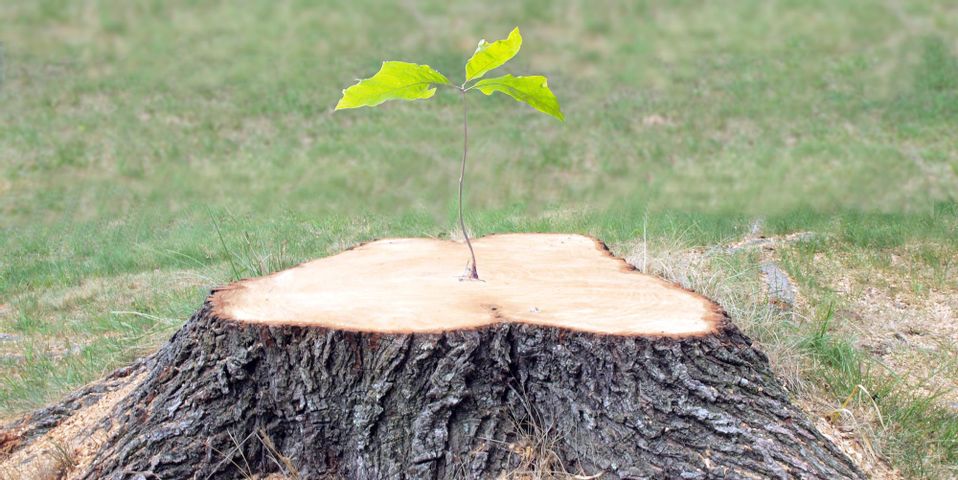
Trees that are cut down will develop stumps and these can regrow. The type of tree that will regrow from a stump depends on the species and the health of the tree at the time of the cut. Palm trees, for example, will die when cut, but most other trees can regrow from a stump.

When a tree dies, its seeds can be spread throughout the soil. Often times, these seeds may not be noticed until they produce saplings, but dealing with them early can save you a lot of money. It’s also best to make sure to avoid removing mature trees if they self-sow. Also, keep in mind that a mature specimen of a self-sown tree may be protected by conservation or tree protection orders.

If a tree dies, its stump won’t usually regrow, but if it’s healthy, it will likely need trimming every few months. In addition, if you’re concerned about the stump, you can apply rock salt to the area where the tree was.

Another alternative to salt is Epsom salt. This is a common bath salt that can be used for stump removal. This solution is a multipurpose product that kills tree stumps by drawing out moisture. It also kills nearby plants.

What kills a tree stump quickly?

What kills a tree stump quickly?

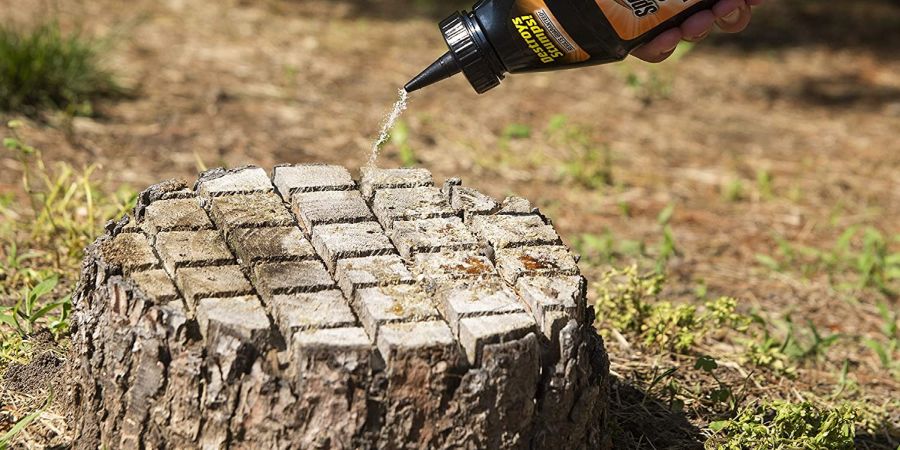
When dealing with an old tree stump, you may be wondering: What are the best ways to get rid of it? One effective method is to kill it with a tree stump killer. This solution works by starving the tree stump of moisture and light, causing the wood to rot. In a month or two, it should have completely disappeared.

Another effective method is to apply a layer of rock salt to the stump. This method is effective for stumps, but is not recommended for larger trees because it may harm the soil around it. A rock salt layer around the stump will cover it and kill it in about two to three months. Covering the stump with a black trash bag will also help it decay faster.

Another method is to use a fertilizer that contains nitrogen. Nitrogen-rich fertilizers like ammonium nitrate will quickly decompose a tree stump. However, be careful when handling them because they can damage nearby plants. In addition, potassium nitrate is the fastest decomposing substance for a tree stump, but it is also extremely toxic.

The best method is to cut the tree stump as close to the ground as possible and cover it with a tarp or organic material. If the stump is left exposed, it is possible that sucker growth will occur from exposed root zones. If this happens, it may be best to seek professional help.

What is the fastest way to get rid of a tree stump

When it comes to tree stumps, there are many ways to get rid of them. You can burn them, which is legal in some areas. To do this, you need to chop up a chunk of wood and place it on top of the stump. Then, you can add more wood to the fire, and let it burn. When the stump is completely burned, you can add more filler material to the area to make it level. Alternatively, you can have the stump ground using a machine. This process destroys the tree stump and root system, and grinds it to about a foot of depth.

Another way to prevent animals from digging around trees is to cover them with wire mesh or mulch. You can also use animal repellents that prevent squirrels from eating the branches of the tree. While this may seem like a reasonable solution, it can also end up hurting your tree in the long run.

In addition to being an eyesore, tree stumps can cause damage to your property. They can attract wood-boring insects, which can damage nearby plants and trees. Even worse, infected stumps can lead to disease or infestation. Furthermore, dead stumps can harbor fungi, which can be dangerous to humans and pets. If you don’t want your property to become a breeding ground for these pests, it may be wise to hire a tree service company to remove the entire stump.

from AAA Tree Lopping Ipswich https://ift.tt/8i0QGvT
via IFTTT

How to Get Rid of Old Tree Stump

If you want to get rid of an old tree stump, you have to do more than just dig it up and toss it in the compost pile. You also have to know what will make it rot faster. One method is to soak the stump in Epsom salt. This naturally occurring salt contains magnesium, sulfur, and oxygen and can kill the tree stump in less than a month.

What dissolves a tree stump?

There are several different methods of removing an old tree stump. One method involves burning the stump. Another method uses potassium nitrate. Both methods work by rendering the wood flammable. You can use any of these methods, or a combination. If you do not have the time to burn the stump, use one of these products as a temporary solution.

Epsom salt can be a very cheap solution for removing a stump. Usually purchased in bulk, it’s relatively cheap and can also be used for other health purposes. It also has a zero product waste, so it’s a win-win solution. If you’re unsure what to use, rock salt works well as well.

Another option is to drill holes into the stump’s surface. Make sure that these holes are spaced at least three inches apart and about eight inches deep. Then, fill each hole with 100 percent Epsom salt. The water will carry the salt deep into the tree’s cells. The salt will help dry out the wood cells, and then break them down.

After four to six weeks, the stump should be soft and pliable. After that, you can simply cut it off with an ax. Then, you can cover it with dirt and plant grass seed.

How do you make a tree stump rot faster?

How do you make a tree stump rot faster?

You may wonder, “How do you make old tree stumps rot quicker?” You can speed up the process by using various tools. For example, you can use a large drill bit and a spade extender to drill holes around the stump. Fill the holes with water, which will help the rotting process.

You can also use an angle grinder to rot tree stumps. The drill attachment on an angle grinder allows you to use a specialized drill bit. These bits are designed to drill into wood quickly with high torque. There are several sizes available, but the bigger the bit, the faster it will rot the stump.

A combination of chemicals can also be used to make old tree stumps rot faster. They can take anywhere from 3 to seven years to decompose naturally, but using chemicals can speed up the process and accelerate decomposition of the remaining tree fibers and roots.

Potassium nitrate is one way to make an old tree stump rot faster. However, it is dangerous for pets and children. If you use potassium nitrate, make sure to follow all safety precautions. This chemical has a very high toxicity and should be used under the supervision of an adult or a child.

A chemical mixture that contains rock salt is also a good way to make an old tree stump rot faster. But it should be noted that rock salt contains chemicals and makes soil less fertile for many plants. Hence, it is best used on old seasoned stumps, rather than newly planted ones.

What is the best thing to dig around tree roots to

The easiest way to remove a tree stump is to dig it out. This is counterintuitive, but gives you good leverage for loosening the roots. Digging space is smaller near the trunk but increases as you go outward. It is usually best to dig a two to three-foot radius around the stump. Then, fill the hole with fresh soil. Alternatively, you can hire a landscaping company to do the work for you.

How does Epsom salt rot a tree stump?

How does Epsom salt rot a tree stump?

To kill a tree stump, you can add Epsom salt to the stump and surrounding soil. The solution should mix easily. Then, you should spread the mixture on the stump and the exposed roots. After applying the mixture to the stump, you can cover it with a tarp or plastic cover. You should repeat this treatment once a week or until the stump is dead.

If you’re worried about the mess, you can also use a tarp to protect it from the rain. Depending on the size of the stump, it may take several applications to make it completely rot. The process of tree stump removal will vary depending on the type of tree stump and the amount of salt you’re using.

To apply Epsom salt, you need to cut several holes in the stump, around one inch apart. Then, fill the holes with 100 percent Epsom salt. Make sure the salt is buried half-way into the stump. Allow water to penetrate the holes and the salt will start to decompose. It can take several months if the stump is large.

Epsom salt contains magnesium and sulfur, two essential nutrients plants need to survive. However, the minerals can also kill plants. The salt can also deplete soil moisture and kill plant roots. By drying out the roots, it will rot the tree stump. It will eventually break down and be easily removed.

What is the best stump killer?

What is the best stump killer?

Tree stump killers can be effective in removing old trees. However, these solutions can also be toxic. This means that you should always use protective gear when handling them and always keep children and pets away. Here are a few tips to keep in mind when choosing a stump killer.

One of the first things you should look for in a stump killer is how easy it is to apply. While some stump killers are easy to use, others require a little more effort to apply. Some of them are liquid chemicals, while others come in granular form.

Several chemical and organic compounds are used to kill tree stumps. These can include RoundUp and Epsom salts. There are also other alternatives, like copper nails and copper nitrate. Using a chemical product is often safer, but it may take weeks before you get the desired results.

Another method is to cover the stump with scrap wood or rocks. In general, this method will take four to six weeks to work. In some cases, however, you need to follow local fire codes. If you choose this option, you should allow plenty of time for the tree stump to rot.

Tordon RTU is an effective way to kill poison oak, wisteria, and other plants that are growing near the stump. This type of product has high potency, but may damage plants near the stump. In addition, you should also apply it fresh to avoid it from affecting nearby plants.

Will vinegar rot a tree stump?

One way to get rid of tree stumps is with white vinegar. The acid in vinegar will kill the tree roots. It will also kill any ants living on the stump. Applying the solution to the tree stump will also make it spongy, making it easy to break up. However, this is not a DIY project. Depending on the size and location of your stump, it may take a professional to remove it.

You can also use rock salt. This all-purpose solution, which can be purchased online, draws moisture from the air and kills off the roots. Alternatively, you can use Epsom salt, which is more effective on small tree stumps. Remember to keep the mixture moist during the process.

Vinegar is a good rotting agent, but it is not an instant solution. The rate at which the tree stump decomposes will depend on a variety of factors, including the type of soil and the amount of wood. In addition to the amount of oxygen and moisture in the soil, the amount of organic matter on the stump will also affect its decay.

When used as a tree stump treatment, it is important to remember that it is important to use undiluted vinegar to avoid damaging the roots of the tree. Pure white vinegar has a high acidity, so it can harm the roots. Nevertheless, it is a safer and environmentally friendly option compared to harsh chemicals.

from AAA Tree Lopping Ipswich https://ift.tt/6usOhWR
via IFTTT

Green Space – How Does It Impact Humans?

Reduced Stress and Violence

Recent studies have shown that green space can reduce the incidence of violence and stress in urban environments. These green spaces can be anything from vacant lots to community gardens. According to the authors, the increased access to nature reduces mental fatigue, improves concentration, and makes people more likely to approach problems less violently.

The research team plans to further examine the evidence for the relationship between green space and crime by conducting a meta-analysis of the literature, and they are also partnering with the United States Department of Agriculture Forest Service. The researchers also acknowledge the need for more causal interventions and qualitative studies. These findings have implications for public health, urban planning, and policy.

The researchers examined 45 studies that showed that green space reduces crime in urban settings. When properly designed and maintained, these green spaces are associated with lower crime rates. The researchers believe that green spaces also increase neighborhood collective surveillance, which can help keep crime from escalating.

Improvement of Concentration

One recent study has found that people who spend time in green spaces tend to have more focus, better attention, and improved memory. The results of this study were consistent across gender and age groups, and also showed that green space has positive effects on overall cognitive health. A recent study conducted by Boston University School of Public Health included a total of 13,594 women. The study evaluated the impact of green space on cognitive functions using the Normalized Difference Vegetation Index, as well as the Cogstate Brief Battery.

One of the most important factors for improving green space use is involving the community. Activities and events held in green spaces can increase participation and help users develop new skills. These activities may also promote trust and build the self-esteem of participants. When carried out by trained staff, these activities can motivate people to adopt healthier behaviors and practices. Furthermore, these activities can help participants feel connected to nature, which can improve their mood and concentration.

Research has also found that green space improves the quality of life of people living in urban areas. It protects residents from various stress-related conditions, such as depression and neurotic behaviors. Interestingly, the protective effects of green space are dose-dependent, with the longer the exposure, the stronger the effects.

People Are Healthier

A large body of research shows that exposure to green space has multiple benefits. In particular, it can help people stay fit and reduce stress, improve cardiovascular health, and improve neurocognitive development. Additionally, it can prevent diseases like osteoporosis, cancer, and obesity. It is vital to create attractive, welcoming urban environments where people can enjoy outdoor time. Older people in particular may benefit from physical activity in green space, especially if it includes facilities such as walking tracks or playgrounds. Moreover, physical activity in green space can be therapeutic for those suffering from mental health problems.

Physical activity in green space is more restorative than in non-natural environments. In one study, researchers found a relationship between physical activity in green spaces and reduced risk of poor mental health.

Reduction of Crime Rate

A recent study showed a correlation between green space and crime. In fact, a neighbourhood that was greener was less likely to have violent and property crimes. A similar relationship was observed for sexual crimes. Though the study was conducted in South Africa, it shows that greenness is associated with lower crime rates.

The study used data from police departments to examine the relationship between green space and crime rates. It found that buildings with high amounts of greenery reported 48% fewer property crimes and 56 percent fewer violent crimes than those with low levels of greenery. However, even modest levels of green space were associated with lower crime rates.

The study also included data on overall crime occurrence and robbery. The study found that only 20% of urban wards had no crime, whereas almost every other ward had a high crime rate. Moreover, 54% of urban wards had at least some open green space. While this is encouraging, the study also found that 22% of urban wards had lost some of their open green space, probably because of urban development.

Increased Productivity in the Workplace

The presence of a green space in the office can have a positive impact on employees. Besides removing air pollution, green spaces can also boost employee retention and productivity. Furthermore, a green space can improve a person’s mental health and provide physical exercise. This is particularly important as 1 in 4 people in England will experience some kind of mental illness in their lifetime, resulting in an average loss of 4.3 days of work per person each year.

Another benefit of having a green space in the office is a reduction in stress. Plants have a relaxing effect on workers, which makes them more attentive and engaged in their work. According to Dr. Libby Sander, assistant professor of organisational behavior at Bond Business School, adding plants to the workplace can improve staff performance by lowering stress levels.

According to a recent study conducted by Cardiff University, adding green spaces to an office can increase employee productivity. The researchers found that green offices performed 15% better than non-green offices. In addition, green offices improve employees’ focus and attention levels, resulting in higher output and higher satisfaction.

Better Biodiversity

A new study shows that increasing the number of plants in urban areas can help to improve biodiversity. The study, carried out in Melbourne, Australia, suggests that the addition of more indigenous plants can produce positive ecological outcomes very quickly. In addition, the study found that the presence of more plants in urban areas can help to reduce the use of herbicides.

Increasing the amount of biodiversity in a green space can also have a positive psychological impact. In fact, a 2007 study found that higher levels of species richness in a landscape positively influenced visitors’ self-reflection. This positive relationship between biodiversity and wellbeing was also found in a 2016 review by Botzat et al.

Students can also take a leading role in improving biodiversity in green space by studying the different aspects of biodiversity in their communities. By studying the needs of different animals, plants, and their habitats, they can ensure that the green space is suitable for all. In turn, this will help create a more sustainable community that provides more ecosystem services.

Helps Decrease Pollution

Creating more green spaces around the world has a variety of benefits. According to the World Health Organization, access to green spaces is associated with better public health. For example, researchers found that for every 0.1 square feet of green space within a third of a mile of a person’s home, there was a 4 percent decrease in premature deaths. These findings were consistent across all countries.

Unfortunately, not everyone has access to green spaces. Some are not even aware of them, and some are physically unable to make use of them. In addition, the percentage of people using green spaces varies depending on sociodemographic characteristics, including age, education, and gender. In general, however, people with high socioeconomic status are more likely to use green spaces.

Effective green space interventions require multi-disciplinary collaboration and a combination of actions. By creating an environment where people feel comfortable and can learn about the benefits of green spaces, the population may become more motivated to engage in them. However, it is important to consider the characteristics of different demographic groups to determine what interventions will have the greatest impact.

Risks of Green Spaces

Studies have shown that exposure to green spaces is beneficial for the health of humans. The health benefits of green spaces include reduced risk of cardiovascular disease, reduced risk of heat-related mortality, and increased mental health. Furthermore, studies have shown that exposure to green space promotes social interaction, which helps counter the risk of social isolation.

To measure the effects of green spaces on health, researchers used satellite imagery. The researchers used a 30-meter-resolution dataset provided by the Landsat satellite to assess the risk of different disorders. The researchers also incorporated demographic and socioeconomic data to examine the associations of green space with different health outcomes.

The study also found a link between proximity to green spaces and a lower risk of stroke. The researchers found that people who lived closer to green spaces had a lower risk of ischaemic stroke. This result was consistent with other studies.

from AAA Tree Lopping Ipswich https://ift.tt/6qr7z2X
via IFTTT

Signs It Might Be Time to Remove Your Tree

If your tree is starting to show symptoms of disease or decay, it may be time to remove it. A few of these signs include: root problems, compromised structural integrity, and fungi and disease. There are many other warning signs that you should watch for, but these are just a few of the most common.

Root problems

One of the most common signs it might be time to remove your tree is if you notice that its roots are unhealthy. If the roots are discolored, cracked, or even severed, it may be time to remove the tree. In addition, the soil surrounding the base of the tree may begin to lift or crack. This could be a result of the tree’s root ball shifting. If you notice any of these symptoms, you should contact an arborist.

Damaged roots indicate a tree that is weakened structurally. These roots are also susceptible to damage caused by wind. Wind can cause the roots to lift and cause the tree to fall over. A professional arborist can determine whether it’s time to remove the tree and determine what the best course of action is.

Cracks in the trunk are another sign that it might be time to remove your tree. Cracks in a tree trunk can indicate structural damage, especially if there are a lot of limbs on the tree. If the tree’s trunk is weak, it can’t support all the branches, and this can be a danger to your home.

When the tree is leaning

A leaning tree can be dangerous and should be removed by a professional. A certified arborist can evaluate the condition of the tree and determine if it is a danger to people or property. He can also recommend the best course of action for fixing the problem. Sometimes bracing or cabling can be used to straighten the tree. Other times, it is better to leave the leaning tree alone.

A leaning tree may be caused by various causes. It may have a damaged root system, or it may be due to storm damage. Other reasons include being too close to power lines, or blocking roadways, sidewalks, or traffic signals. While pruning can solve the problem, there are times when removal is the only option.

Keeping the roots healthy is important for the health of the tree. Having healthy roots will prevent leaning. In addition, a tree planted in an area that is too wet is more prone to topple or lean in windy conditions.

Compromised structural integrity

There are a number of reasons why the structural integrity of a tree may be compromised. Some structural defects are not obvious, and may remain undetected for many years. In this case, the tree may still remain big and green, but it may not function properly. If the tree is subjected to a strong wind, it may topple over.

Another potential cause of compromised structural integrity is the presence of fungus or insects. Depending on the severity of the damage, the tree may not have an immediate health threat, but it may be vulnerable to infestation by insects or fungus. An arborist can assess the condition of a tree and determine the proper course of action.

Trees that are planted too close to homes may pose a safety risk to people and property. A large limb can fall on a home, causing extensive damage. Trees can also be infected with a disease, which can spread through the root system.

Fungi and disease

Fungi and disease can damage your tree in a number of ways, but you can easily detect them early. Look for signs of decay on the leaves and limbs of your tree. If you see a dead branch, it might be time to remove it. Moreover, a tree with few leaves may also be suffering from an ailment. A dying tree can become unstable and may even fall, if it is not treated promptly.

If you notice a mushroom-like growth on your tree, it might be infected with fungus. This type of fungi can cause extensive damage to a tree, because they can get into the tree through wounds in the protective bark. The fungi can also cause the decay of the tree’s structure. Additionally, decaying trees are often homes for various pests, including termites and carpenter ants. A tree that is infested with these pests is almost certainly going to die.

The signs of a sickly tree should be immediately investigated by a tree care professional. While some tree ailments can be treated at home, others require a certified arborist to diagnose the condition.

Your tree is in the wrong location

If you have a dead tree in the backyard, it is important to know that it is in the wrong location. Dead trees have no green needles, which indicate that something is very wrong. A tree that is not healthy will die from the top down. Check the entire tree and see if the trunk leans to the east or west. Leaning trees are at risk for falling, as most winds come from the west.

If the tree is bothering you

If the tree is causing you trouble, it might be time to remove it. Trees are often prone to falling branches and can cause a lot of damage to your property. In fact, falling branches can result in serious injuries, including fractured skulls and necks.

However, you should first consult with the neighbors before you remove the tree. They may be liable if the roots extend to their yard. Moreover, they may have to face court action for the removal of the tree. In this case, the neighbors should hire a certified arborist to assess the situation and make the necessary arrangements.

Contact Arborist

When you’re facing a situation where your tree has become unhealthy, contact an arborist to come out and assess the situation. This type of professional is trained to evaluate trees and can help you get your property back to its former glory. If the tree is suffering from a disease, it may be time to remove it. They charge by the hour and can also remove a tree that has a pest infestation.

Some common signs that your tree needs to be removed include dying leaves, cracks in the bark, and soft crumbly wood. These are signs that the root system of the tree is decaying. The roots are the lifeblood of a tree and keep it alive by taking in all the water and nutrients it needs to grow. Early detection of these problems will enable you to fix them before the situation gets worse.

There are also some trees that grow so close to homes and power lines that they could be dangerous. They could fall on the roof or damage a home. Moreover, branches of a tree can break and injure a person. In such cases, it’s better to call an arborist than attempt to take down a tree yourself.

Conclusion

The process of removing a tree involves weighing the pros and cons of the removal. The removal of an old tree can help make way for new trees. It also allows for a healthy and diverse forest ecosystem. When a tree no longer serves its purpose, it is best to remove it, but there are some situations where it is better to leave it alone.

from AAA Tree Lopping Ipswich https://ift.tt/1x9WQac
via IFTTT

Top 10 things to do in Springfield Lakes, Queensland

Springfield Lakes is a beautiful, family-friendly community located in the heart of Queensland. There are plenty of things to do in Springfield Lakes, whether you’re a homeowner looking for home improvement inspiration or a tradesman looking for your next project.

Located just minutes from the Brisbane CBD, Springfield Lakes is a beautiful tree-lined community with something for everyone. Home to over 3,000 residents, Springfield Lakes is family-friendly and boasts a wealth of amenities and activities. For those who enjoy spending time outdoors, there are plenty of parks and walking trails, as well as a number of golf courses nearby. And for those who like to stay active, there are also a number of gyms and fitness centres.

If you’re looking for home improvement inspiration, you’ll find plenty of it in Springfield Lakes. There are a number of tree lopping and tree removal companies that operate in the area, so whether you’re looking to update your landscaping or simply clear some land for a new build, you’ll be able to find the services you need. And for tradesmen working in the area, there is no shortage of work opportunities either – from tree stump grinding and land clearing to general handyman work, there is always something to be done in Springfield Lakes. So whatever your reason for visiting, you’re sure to find something to love about this vibrant community.

Here are the top 10 things to do…

1. Take a walk or ride your bike around the lake.

Springfield Lakes is a beautiful, family-friendly community located in the heart of Queensland. The lake is a great spot for a walk or a bike ride, and you might even spot some wildlife! If you’re looking for something a little more active, tree lopping, arborist, tree removal, stump grinding, and land clearing are all available in the area. No matter what you’re looking for, Springfield Lakes is sure to have something for everyone to enjoy!

springfield lakes queensland

2.Visit one of the many parks in the area.

Springfield Lakes is home to a number of beautiful parks, each with its own unique offerings. For families with young children, there are several playgrounds scattered throughout the area. Those looking for a place to enjoy a picnic can find plenty of open green space perfect for spreading out a blanket and enjoying a meal. And for those who want to get closer to nature, there are several parks with trails ideal for hiking or biking. No matter what your interests are, there’s sure to be a park in Springfield Lakes that’s perfect for you.

3.Get involved in a community garden.

If you’re looking to get involved in a community garden, there are several options available to you. Community gardens are a great way to meet new people, learn about gardening, and help others grow their plants and vegetables. The Springfield Lakes Community Garden is one option that is open to residents of Springfield Lakes. The garden is located on Main Street, between 4th and 5th Streets. There is also the Fairbanks Community Garden, which is located on Floral Avenue, between 9th and 10th Streets. Give gardening a try today—you might be surprised at how much you enjoy it!

springfield lakes

4.Head to the library.

As the weather warms up, many of us are looking for ways to beat the heat. One great option is to head to the library. The library is a great resource for all ages, and you can always find something new to read or learn about. Springfield Lakes, QLD is home to a number of libraries, including the popular Eliza Day Library. The library offers a wide range of books, magazines, and other resources, as well as a comfortable place to relax and escape the heat. So next time you’re looking for a cool place to spend a hot day, be sure to head to the library.

5.Check out the local museum.

Springfield Lakes is a vibrant and growing community in Queensland, Australia. The area is home to a diverse range of people, and the Springfield Lakes Museum is a great place to learn about the history of the area and see some interesting artifacts up close. The museum has a wide range of exhibits, including an exhibition on the history of the area, which explores the growth of Springfield Lakes from a small rural town to a thriving urban center. There are also exhibitions on the local Indigenous population, early European settlers, and the area’s natural environment. The Springfield Lakes Museum is a great place to visit for anyone interested in learning more about this fascinating community.

6.Attend a community event.

There’s always something happening in Springfield Lakes! From fun community events like markets and festivals to sports and recreation activities, there’s something to suit everyone. Check out the Events page on the Springfield Lakes website to see what’s coming up. And if you’re looking for something more active, why not join a local sports team or club? There’s a great sense of community in Springfield Lakes, so get involved and meet some new people.

springfield lakes queensland

7.Go shopping at one of the many local shops.

Springfield Lakes is home to a wide variety of shops, from grocery stores to clothing retailers. Whether you’re looking for everyday essentials or a special outfit for a night out, you’re sure to find what you’re looking for at one of the many local shops. And with convenient parking and friendly staff, shopping in Springfield Lakes is a fuss-free experience. So next time you need to pick up some groceries or do some retail therapy, be sure to head to one of Springfield Lakes’ many wonderful shops.

8.Enjoy a meal at a local restaurant.

There are plenty of great places to eat in Springfield Lakes, so why not try something new? Whether you’re looking for a quick bite or a leisurely meal, there’s sure to be a restaurant that’s just right for you. For a casual dining experience, try one of the many cafes and takeaways in the area. If you’re after something more substantial, there are also several restaurants that serve up delicious home-cooked meals. And if you’re planning a night out with friends, there are plenty of bars and clubs in Springfield Lakes which offer a range of drinks and snacks. So whatever your dining plans are, make sure you check out the local restaurants in Springfield Lakes.

springfield lakes in queensland

9.Have some fun at the arcade or bowling alley.

Looking for a fun family activity? Why not head to one of Springfield Lakes’ many arcades or bowling alleys! The whole family can enjoy some competitive fun while spending time together. And there’s no need to worry about the weather – both arcades and bowling alleys are indoors, so you can stay cool and comfortable no matter what the temperature is outside. So next time you’re looking for something to do, remember that the arcade or bowling alley is always a great option!

10.Relax at home with friends and family.

Springfield Lakes is the perfect place to relax with friends and family. There are plenty of activities to keep everyone entertained, from swimming and boating to fishing and hiking. The spring-fed lakes are clean and clear, making them perfect for a refreshing dip. The scenic views are sure to please even the most picky photographers. So come on down to Springfield Lakes and enjoy some quality time with your loved ones!

No matter what you’re looking for, you’re sure to find it in Springfield Lakes, Queensland! So get out and explore all that this wonderful community has to offer today!

from AAA Tree Lopping Ipswich https://ift.tt/6yvVSUp
via IFTTT

How Many Stumps Can You Grind in a Day?

To answer this question, you must be aware of several factors. First, you need to know how long it takes to grind a stump. In addition, you need to know the minimum size of a stump in order to be able to grind it. Secondly, you need to know what types of stump grinders are available.

How Long Does It Take to Grind A Stump?

There are many things to consider when grinding a stump. One of them is how close the stump is to a house or other structures. If the stump is too close to a structure, it will be difficult to remove without damaging the structure. Another consideration is how close the stump is to underground utilities. Grinding a stump near these structures is especially dangerous.

The process of grinding a stump will remove some of the tree’s roots. The roots are located six to eight inches under the surface of the ground. While this level is the minimum recommended, some stumps will be deeper than this depth. You should consult with an arborist to determine how far below the ground you want to grind the stump.

The type of wood in the stump will also affect the amount of time needed for the process. Hardwood tree stumps will take longer to grind than softwood ones. It will also take longer to grind a stump in open fields, but it will take less time if the stump is close to buildings or utilities.

How Short Does A Stump Need to Be to Grind?

If you have a stump on your property, stump grinding is one of the most affordable and effective ways to get rid of it. This process can take anywhere from 15 minutes to two hours. However, you should know that there are some disadvantages to stump grinding. First of all, dead tree stumps can attract termites. There are two types of these pests – the wood termites and the rotted wood termites. However, neither of them poses an immediate threat to your property.

Secondly, grinding a stump can damage the ground and damage any permanent infrastructure nearby. Using a chainsaw to grind a stump can also cause injuries, especially if you are not wearing protective gear. Furthermore, the chainsaw might end up damaging your driveway, house, or garage. If you use a chainsaw to grind a stump, it is crucial to remove any loose dirt around it.

Another important factor to consider is the size of the stump. The size of a stump will determine how long it will take for it to decay. If you leave it too large, it could take several years to rot and decay.

How Hard Is It to Use A Stump Grinder?

Stump grinders are a useful piece of equipment for clearing up stumps on your property. They are powerful tools, but they also need to be operated and maintained properly. While hiring a stump grinder from a rental facility may be tempting, this may not be the best option for you. First, it’s important to know the right size stump grinder for your needs. This will help you get the job done in less time and save you money. Secondly, it’s important to wear protective gear and heavy duty work clothes.

Stump grinders have a circular blade that rotates at high speeds. Because of this, it’s important to make sure the blade is down deep enough to completely remove the stump and roots. Most stump grinders can grind down to approximately 18 inches, but this can vary depending on the size of the stump. If your stump is higher than that, you’ll need to cut it down with a chainsaw.

After obtaining a proper height, you need to set up the stump grinder. This means driving it to within 3 feet of the stump. Then, engage the hydraulic lever, which will raise the cutting wheel above the stump. Once this is done, position the wheel over the stump’s front edge, engage the power lever, and lower the wheel down into the stump.

Different Types of Stump Grinders

The market for stump grinders is a growing niche industry. It is estimated to grow at a rate of 6.7% annually. However, these machines are expensive and can break down within a few hours of use. You need to carefully consider your needs before buying one. Here are some things you should look for when buying a stump grinder.

First of all, you should know the reason you need a stump grinder. If you’re building a house, it may be better to get rid of the stump rather than leave it. If the tree stump is close to the foundation of the building, it will ruin the aesthetic appeal of the property. Furthermore, it may damage the ground surrounding the tree. In this situation, you should consider the advantages of stump grinding before making the final decision.

There are three main types of stump grinders. You should buy the one that is suitable for the type of stump you’re dealing with. A tracked stump grinder is recommended if you have a large, deep stump. Meanwhile, a compact handlebar grinder is ideal for smaller stump diameters.

How to Operate a Stump Grinder?

The first thing you must know before using a stump grinder is how to properly operate it. First of all, you should always wear safety goggles, ear plugs, and protective gear. You should also watch out for nearby bystanders. Another important tip is to operate the stump grinder from the control panel, which protects you from the sharp grinding wheel. Be careful not to push the machine too far forward, as it could damage the blade.

The second thing to know about a stump grinder is its drive system. A standard stump grinder has a power unit, cutting wheel, and drive belts. These drive belts transfer the power from the engine to the wheel and chip the stump into small wood chips. You must always keep the speed of the machine low, as this helps you to control the work.

The next step is to position the machine near the stump. Once positioned, raise the cutting wheel so that it is above the stump’s level. When grinding the stump, be sure to keep the cutting passes shallow to prevent the machine from stalling. Also, remember to remain focused while using the stump grinder. Always assess the stump for hidden hazards, such as roots, and shut off the machine if you hear unusual noises.

How Far Down Should You Grind A Stump

A good way to remove a dead stump is to grind it down to a couple of inches. Then, you can remove the roots and plant another tree. For this task, you’ll need a large grinder with sharp teeth and a wheel-type blade. Depending on the size of your stump, you may need to grind it down as far as four inches. Once you reach this depth, the stump’s roots will eventually die off on their own. The hole can then be filled in with soil or grass seed.

Stumps are a nuisance, but they can also be dangerous. They can attract insects and even develop fungal diseases. In addition, they can damage nearby plants and structures. Grinding out a stump near a structure can also damage underground utilities. As a result, it’s important to research the hazards involved before you attempt this DIY task.

Before you start stump grinding, you should make sure you’re working on a tree stump that is four to six inches deep. This depth is the minimum amount of dirt needed to allow the lawn to grow over the stump. If you need to grind down deeper than that, hire a professional to do the job.

Do You Need to Grind Your Stumps?

When it comes to stump grinding, there are many variables to consider. For starters, it’s important to determine the exact diameter of the stump. You can do this by measuring it from one side to the other, usually at ground level. This will help you determine the total cost, as it can vary significantly depending on the number of stumps and the time required to complete the project. Additionally, some trees have shallower trunks than others. For instance, white oak stumps are usually deeper than sycamore or cottonwood stumps. If you’re unsure of the depth of the trunk, you’ll need to consult an arborist.

If you have a stump in your yard, you may want to consider stump grinding as a way to get rid of it. This is different from stump removal, which requires a large hole to be dug, and it can ruin the landscape of the surrounding area. Alternatively, grinding the stump can be done in almost any location, and it’s less expensive than getting the stump completely out of the ground.

Conclusion

The answer to this question varies from stump to stump. A small bush stump, for example, is relatively easy to grind. But a large tree stump, which contains almost 100% timber, would cost $400 to remove. This is because larger blades and high-powered grinders are required for such a large stump.

There are various types of stump grinders on the market. Some of them can grind stumps up to 18 inches deep. However, the industry standard is to grind stumps until the stump no longer contains a trunk. Some types of trees, like cottonwood and white oak, have shallower trunks than others. If you’re unsure about the exact depth of your stump, it’s best to consult an arborist.

from AAA Tree Lopping Ipswich https://ift.tt/6gJOe9i
via IFTTT

When is the Best Time to Transplant a Holly Tree?

There are a few important considerations when transplanting a holly tree. First, determine the range of the tree’s height. Next, choose a new location. And finally, make sure that the soil is dry enough to touch. In the summer, soil will dry out much faster than it does in the winter.

Check the range in height

First, make sure the soil you’re transplanting is well-drained. After preparing the planting site, apply Root Stimulator to encourage early root development. This will minimize plant shock and promote greener, more vigorous plants. Next, use mulch to conserve moisture and suppress weed growth. If you’re using wood mulch, leave it out for at least 6 months to allow it to cure. Avoid piling mulch against the base of the tree, as this can suffocate the plant’s roots.

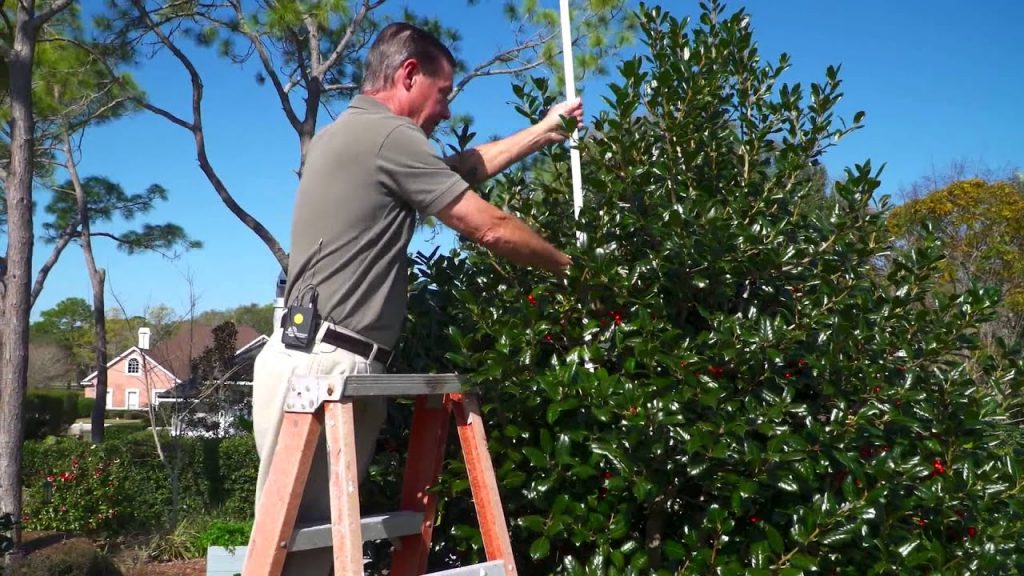
If you’re planting a holly in a container, choose a holly variety with foliage that complements its surroundings. Most hollies can grow in containers for up to five years. However, dwarf varieties may require pruning more often than their larger counterparts.

If you’re transplanting a holly tree, make sure you check the height range first. Some trees can reach as tall as 12 meters! When transplanting holly trees, make sure you don’t transplant more than a half tree – if you’re transplanting an entire plant, the range in heights will be much wider.

Choose a New Location

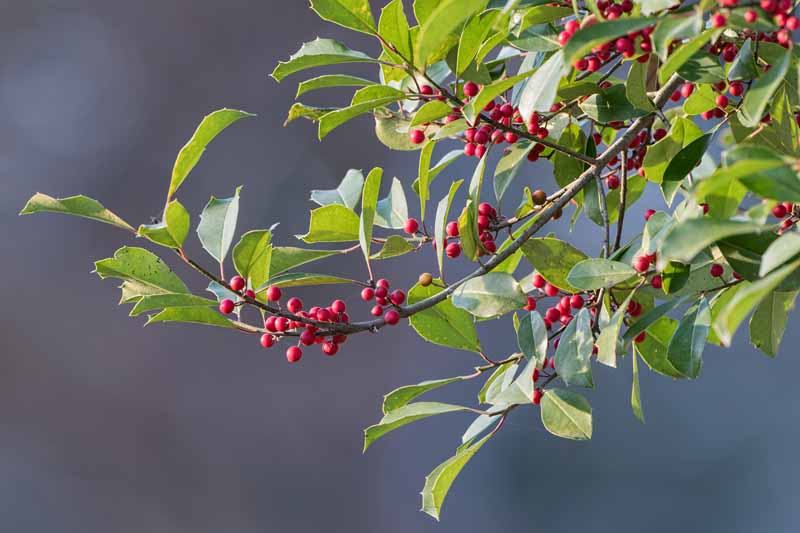
Holly trees are popular ornamental trees that have glossy green leaves and berries of vibrant red color. Transplanting holly trees is not an easy process, so it’s important to choose a new location that has the same climate and soil characteristics as the one the tree is currently in. The new location should also be protected from excessive heat and wind.

To move a holly bush, start by digging a new hole about six inches outside of the leaves. Once you’ve dug out the root ball, remove it from the hole and place it on a wheelbarrow. Then, gently place the holly bush into the hole. Make sure that the soil is moist. You can add mulch around the base of the tree to keep the soil moist.

American holly trees come in dozens of species. They’re native to the central and eastern United States. The indigenous peoples of these regions used the berries as buttons, and traded them for goods. Because of this, it’s important to plant both male and female holly trees to ensure the berry production. Experts at the University of Kentucky recommend planting three females for every male holly tree.

Root Trimming

If you want to transplant a holly tree, it is best to do so during the winter months. The roots of this tree can be large and invasive. If they are not trimmed, you will risk causing damage to the plant. Root trimming is also a good idea if you want to transplant a holly tree to a larger location.

To transplant a holly tree, first remove the plant from its nursery pot. You should take care not to damage the holly tree when you pull it from the nursery pot. Next, loosen the feeder roots that are securing the holly to its pot. Then, plant it in a new hole. Be sure to water it thoroughly. You can also mulch the new planting with an organic mulch, which will help retain moisture. However, be sure to keep the mulch away from the trunk of the tree, as mulch around the tree can lead to fungal infections.

When transplanting a holly tree, it is best to do so during the fall or early spring. This will allow the new roots to grow without being stressed by the transplant. The summer season is particularly stressful on holly trees, so it is best not to transplant them during the summer.

Encouraging Feeder Roots

When transplanting a holly tree, it is vital to encourage feeder roots. These small lateral roots supply the tree with water and nutrients. This is especially important during the fall and early spring. The tree will be less stressed if the roots are encouraged early on.

To encourage feeder roots in a holly tree, choose a pot with good drainage. Hollies don’t like soggy soil. Soak the soil just enough to moisten the roots but not enough to make them soggy. Also, loosen the soil around the tree’s root ball.

Depending on the size of the tree, it may be necessary to prune the feeder roots. Doing so can encourage new feeder roots and reduce the shock of transplanting. Also, consider the size of the root ball. A larger root ball will contain more roots and weigh more.

Holly trees are dioecious. They require pollination from another holly plant to produce berries. This type of tree should be protected from strong winds to ensure it will survive the winter.

Plant Tree

Before you plant your holly tree, you’ll need to dig a hole large enough for its roots. Ensure that the soil is moist, but not soggy. Water your new tree thoroughly. If you don’t, the roots may be damaged and die. Once it’s established, lightly mulch the soil around it with 2 inches of mulch.

The best time to transplant a Holly tree is in late fall or early spring. The soil should be moist enough to work with, but not soggy that it drips. If possible, water your holly a day or two prior to transplanting. The roots should be wrapped in natural burlap and tied with twine. You’ll want the new hole to be no deeper than its previous location and the root ball should be at least twice as wide.

Holly pruning can be performed by cutting the bush’s stem in a circle with a spade or sharp knife. After that, cut the holly limbs off at a slight angle. Holly pruning is recommended once a year, just before the growing season begins. It’s important to avoid starving the roots. If you remove the holly bush, the roots will re-grow, as long as they receive a decent amount of sunlight.

The important in transferring the holly tree

Holly trees are popular for their glossy leaves and bright red berries, but they can be difficult to transplant. To give them the best chance of survival, the new location must have similar characteristics as the old one. For instance, the soil should be moist, well-draining, and slightly acidic. The new location should also be protected from wind and extreme heat.

Dig a new hole for the holly tree, and water it deeply to help it establish roots. Don’t add fertilizer to the soil because this can burn new roots. You should also mulch the area around the holly with organic mulch to help retain moisture. But remember to keep the mulch away from the trunk to prevent fungal problems.

After carefully assessing the new location for the tree, you can begin transferring it. Holly is often used for Christmas celebrations, but it actually originated from pagan rituals. Druids of ancient Britain held the holly tree sacred. Early Teutons hung holly in their homes in hopes of attracting fairies. In ancient Rome, holly was also used for the Saturnalia festival, in honor of the god Saturn.

Conclusion

If you are considering transplanting your holly tree, you need to be aware of certain conditions and timing. The ideal time to transplant a holly tree is when soil conditions are moist but not wet. You should also be sure to water it well before transplanting it. You should also mulch the ground around the tree with organic mulch, but be sure to keep it away from the trunk.

The American holly belongs to the Ilex genus, which includes hundreds of species of shrubs and trees. It grows as an upright pyramid in USDA plant hardiness zones 5 to 9. This plant can be transplanted, but you must ensure that you transplant it at the right time.

Holly trees require regular watering and sun exposure. Proper pruning will prevent excessive growth and increase the balance of the tree. Besides regular pruning, holly plants can be propagated by using cuttings. Cuttings can be taken from young branches during spring or early summer. Once they grow sufficiently, you can transplant them into a permanent spot.

Planting a holly tree in a garden is ideal if it is in a location where it receives direct sunlight. If the new location has high traffic, make sure to choose a spot that will allow them to grow in the right way. Remember that holly trees are sensitive to transplant shock, so be sure to plan carefully.

from AAA Tree Lopping Ipswich https://ift.tt/iMOAjzG
via IFTTT

Pruning Trees at Night

Pruning Trees at Night

Many people believe that pruning trees at night is the best time to do so because the tree will heal more quickly. However, this is a myth! In fact, pruning trees at night can actually be quite dangerous and damage the tree beyond repair. Here’s everything you need to know about why you should never prune trees at night.

Pruning trees at night is a dangerous practice because it increases the likelihood of mistakes being made. It’s easy to misjudge a cut when it’s dark out, which can result in serious damage to the tree. Moreover, pruning at night also makes it more difficult to see potential hazards, such as power lines or other obstacles. As a result, accidents are more likely to occur when pruning trees at night.

In addition to being dangerous, pruning trees at night can also damage the tree beyond repair. When cuts are made in the bark, it creates an entry point for disease and pests. These invaders can weaken the tree and make it more susceptible to breakage. Furthermore, pruning at night removes vital nutrients from the tree that are necessary for its growth and development. As a result, pruning trees at night can actually do more harm than good!

Trees are asleep at night. They are not photosynthesising and accumulating more CO2. It’s not a good idea to prune a tree at night. It can be dangerous and could leave you unconscious! But it’s important to remember that the basic goal of pruning is to benefit the tree. This means knowing which parts of the tree to cut and which parts you need to leave.

Your Own Convenience – There Are No Benefits Of Cu

Performing pruning operations at night increases the likelihood of injury and increases the difficulty of the task. This also increases the risk of causing more damage to the tree, since trees do not undergo photosynthesis at night. Also, pruning at night can increase the risk of the tree falling over unexpectedly. For this reason, it is better to do tree pruning operations during the daytime.

Low Visibility Can Cause This To Be A Troublesome

One of the most important things you need to do before pruning trees at night is to ensure that you have enough lighting. If the light is not good enough, you may not notice any branches on the tree. This can make cutting the branches dangerous because you may cut off too much of the canopy.

The second thing you need to do before pruning trees at night is to know what to prune. In the dark, you might accidentally cut a branch that is leaning and causing the canopy to be lopsided. In addition, branches may break off and fall on your car.

Trees Are Asleep At Night And You Should Be Too

Most organisms have a sleep/wake cycle, including humans. Some sleep all day and others just a few hours at a time. Dolphins, for example, can sleep and swim at the same time by shutting down half of their brains. Trees, on the other hand, sleep at night. This is because they have genes that turn on and off in a circadian rhythm.

According to an international research team, trees sleep at night and “wake up” two hours before sunrise. This is similar to the way small plants sleep and wake up. In addition to the trees, many flowers and leaves close at night and curl up as the darkness settles in. The scientists studied this phenomenon in two separate experiments in Finland and Austria. The researchers observed that the trees’ branches dropped between three and four inches during the night.

Researchers have also studied the circadian rhythm of other plants. They have also examined trees in the field to see what they do during the night. They believe that other species of trees display the same behavior.

You Might Miss Spots And Under Prune Your Tree

You might not be aware of the dangers of under- and over-pruning your trees, but it is possible to accidentally cut off too much canopy or branches. In addition, pruning trees in low light can cause tricky shadows and visibility issues. As a result, you might cut off too much canopy, which could damage your tree or cause it to fall.

Cutting A Tree At Night Increases The Difficulty A

There are several reasons why cutting a tree at night is not a good idea. It makes it harder to see and increases the risk of making mistakes on the tree. It also makes it more difficult to perform the work. Instead, it is better to wait until morning. This way, you’ll have less strain on your body and eyes.

The first reason to avoid pruning a tree at night is that the tree needs rest. They are not doing photosynthesis at night, which means they need time to regenerate. In addition, a tree’s limbs are not working. They are also resting. You’ll risk cutting a branch while it is dormant, which can cause the branch to reorient itself. Furthermore, cutting a tree at night also increases the risk of injury.

If you absolutely must cut a tree at night, use headlamps to keep yourself safe. Another reason to avoid cutting a tree at night is that it is more difficult. The reason for this is that the lights will not illuminate everything, which can make it difficult to see the branch.

What You Should Do Instead Of Cutting Trees At Nig

If you want to cut trees, cutting them during the day is a safe option. Just remember to be extra careful, because cutting during the night can be dangerous. Also, putting the tree in water immediately after cutting is very important. The air that enters the plant’s tissues when the first cut is made disrupts its ability to absorb water.

Things To Be Aware of When Cutting Trees

There are a few things to keep in mind when cutting trees at night. First, trees need rest. They do not undergo photosynthesis at night, and this means they need extra time for recovery. You may notice drooping branches and weakened tree trunks during this time, but these branches are unlikely to be dangerous. Secondly, you should avoid cutting branches in a weak spot, as they may fall unexpectedly and cause injuries.

It is essential to have proper lighting when cutting trees at night. This is especially important if you are pruning river birch trees. If you don’t have headlights, you will need to use a flashlight. In addition, if you plan on working in an area with low lighting, you might want to hire an assistant to help you.

It is important to have clear escape routes for emergencies. You need at least 15 feet of clearance for the area before cutting the tree. It is also crucial to have two escape routes.

Conclusion:
Pruning trees is an important part of maintaining their health and appearance. However, it’s important to do so during the daytime hours when visibility is optimal and hazards are easy to avoid. Pruning trees at night is a dangerous and damaging practice that should be avoided at all costs!

from AAA Tree Lopping Ipswich https://ift.tt/kSgBvjD
via IFTTT