Importance of Replanting Trees

Written by Admin and published on https://www.panoramatreeservice.com/.

Trees provide numerous benefits to our environment. They help to purify the air, regulate temperature, and prevent soil erosion. They also provide homes for wildlife and create beautiful landscapes. Given all of these benefits, it’s no wonder that replanting trees is such an important undertaking. There are a few things to keep in mind when replanting trees, however. First, it’s important to choose the right tree for the right location. Consider the tree’s size, sun exposure, and water needs when making your selection. Second, be sure to plant your tree at the correct depth. The roots should be covered with soil, but the trunk should not be buried too deeply. Finally, water your tree regularly during its first growing season. These simple tips will help ensure that your newly planted tree thrives for years to come.

Replanting Trees: What You Should Know

There are many reasons why homeowners might need to move a tree. They may want to make room for a new addition or reposition a tree for better sunlight exposure. In other cases, the tree may have outgrown its location and need to be transferred to a spot with more room for it to grow. No matter the reason, tree replanting requires planning and expertise.

Learning how to replant a tree is not that simple because there are several factors to consider before deciding to uproot it. This is why a tree relocation service utilizes a systematic approach to ensure the tree’s survival after relocation.

This article provides a concise overview of all you need to know about tree replantation, including reasons why it’s necessary and how to do it effectively.

What Is Tree Transplanting?

Tree transplanting is simply the process of uprooting a tree from its original spot and moving it to a new one. Relocating a tree must be executed correctly using the proper steps of pruning, root preparation, and tree care. Trees are less likely to survive in their new home without this methodical approach.

Generally, relocating a small number of trees may not pose many difficulties, but a medium to large-scale tree relocation can be tricky. The key to successful tree transplantation is in making sure the roots are strong enough to withstand the transfer. Otherwise, the tree might die from root loss.

Reasons for Replanting Trees

There are various reasons why replanting trees is a good option. One of the most common ones is to save a perfectly healthy tree. Rather than removing it completely, it makes more sense to keep it due to the relaxing aesthetic it gives. Not to mention, it is better for the environment by providing clean air.

Other reasons concern preserving a home or landscape. When a tree has grown too large for the space in which it was originally placed, this can damage walls and concrete or even impede on electrical wiring. This can be incredibly dangerous and requires the help of tree relocation professionals.

The Best Time To Move Trees

One honest mistake some homeowners make when learning how to transplant a tree is trying to move it any time of the year. This can be detrimental to the tree’s overall health and survival. The best time to move a tree is during early spring, before any growth begins, or during the fall, after the leaves have already fallen. This applies to deciduous trees, which shed their leaves every year.

For evergreens, the best time to move them is during early spring or late summer. If the tree replantation is done in winter, it will be difficult to get the spade into the hardened ground. If the relocation is done in summer, it will be too hot and cause the leaves to wilt. Whatever happens, it’s important not to let the roots dry out before they get a chance to be transplanted.

Factors to Consider Before Relocation

Any tree that needs to be replanted must be carefully evaluated according to the following factors:

Health

If a tree is in poor form or has aged considerably, then it’s not a great candidate for relocation. It cannot easily re-establish its root system once transplanted.

Size

A small tree has more chances of surviving a relocation than a large one. It will be harder to move larger trees due to logistic considerations, too.

Root System

The size of the root ball is a very important thing to consider when moving trees. If a tree does not have one that’s large enough, it will not have enough roots to recover quickly.

Species

Some tree species are invasive and do not qualify for replanting. These trees have low conservation value.

Amount of Pruning

If the tree’s form may be impossible to recover after being transplanted, then a replantation may not be worth it. This refers to the amount of pruning necessary to ensure a successful relocation.

Survival Rate

A tree with an imbalanced form or that has cracks, splits, and cavities may be less likely to survive a tree explanation. In this case, it may not be cost-efficient to go through with the process.

Steps on How To Transplant a Tree

The proper way of replanting trees follows these steps to guarantee quick healing and healthy regrowth:

  1. Choose the transplant location.
  2. Prepare the planting hole.
  3. Dig out the tree.
  4. Wrap up the roots.
  5. Placed the tree into the hole.
  6. Fill up the hole with soil.
  7. Add mulch to the soil.
  8. Transplant the tree.
  9. Water after replanting.

Move Trees Safely With Expertise and Care

Replanting trees can be done safely with the right help. When considering a tree relocation, it’s important to understand why you’re doing it, along with all the factors involved to make sure the tree stays healthy after transplanting it.

Original post here https://ift.tt/CMWRnTz,

from AAA Tree Lopping Ipswich https://ift.tt/Grp6odA
via IFTTT

How Do You Prepare For Tree Removal?

Written by Letty Thalia and published on https://roohome.com/.

If you have a tree that needs to be removed from your property, you may be wondering what to expect from a tree removal service. The first thing you should know is that tree removal is a complex and dangerous task that should only be attempted by experienced professionals. While it may be tempting to try to remove a tree yourself, it is important to understand that this can be a hazardous undertaking. In addition, many tree removal companies will not remove a tree unless it has been inspected by a certified arborist.

What to Expect and How to Prepare for a Tree Removal Service

How do you prepare for tree removal?

Over three trillion trees exist on the earth at any given time. As of this writing, there are around 400 trees for every person on the earth. Trees are awe-inspiring specimens of nature. The only solution if yours is getting out of hand is to have the tree cut down and hauled away.

Trees are cut down in a variety of ways. What’s the procedure? What’s left? Is there anything else you need to do before it’s removed?

Expectations

There is a slew of variables that will affect the quality of a tree removal job.

The manner in which your tree is removed will be influenced by its size. In addition, where you place your tree will be an issue. In order to get rid of a tree that is close to a house or electricity lines, you’ll have to cut it down.

However, in general, tree removal procedures will be very similar.

What’s the Price?

Depending on the size and difficulty of the tree to remove, the cost of removing it will be different.

You can expect to pay anywhere from a few hundred dollars to more than $1,000 to remove an enormous tree that needs special attention. If you want the stump removed or ground down so that it doesn’t stick out, you’ll have to pay extra.

Your tree removal service should always be consulted to acquire an estimate of the costs in your individual situation.

What’s the Plan?

When it comes to removing trees, there are two primary approaches.

The tree can be cut down in one piece if there is adequate room. Trunks are sliced in the direction that they should fall from a cutting point. Cut up the tree into smaller pieces when it has fallen to the ground.

This procedure isn’t viable or safe if the tree is near structures or electricity lines. Individual branches from the top of the tree would be removed in these circumstances. In order to prevent them from falling into electrical lines or onto buildings, these items will be rope-secured if necessary.

In the end, What’s Left?

Conventional tree removal involves cutting the tree down to a small stump.

There are two options for the branches: they can either be used as firewood or they can be removed. In the event that you wish to get rid of the stump completely, you can either have it removed or ground down to the point where it is no longer noticeable.

Stump removal is more labor intensive than simply leaving the stump in place, so expect to pay more for it.

What to Do Ahead of Time?

To remove a tree, there are a few things you’ll need to take care of first.

These aren’t burdensome, but they will make the job of your tree removal company a lot easier. Your tree can be removed promptly and safely with no fuss if you prepare your yard ahead of time.

Vehicle Parking Spaces Must Be Created.

Tree removal typically necessitates the use of a large amount of machinery.

As a result, ensure that your tree removal company has ample room to park its trucks. In addition to a wood chipper and a large truck, there will likely be a lot of debris. As close as possible, the more convenient it is for them.

Instead of hoping for the best, it might be worth your while to make a few parking reservations in advance.

The Tree Is Easily Accessible.

Workers must go back and forth between their cars and the tree.

So make sure there is a clear path for them to return and forth from their destination. When moving wood or equipment, the last thing you want them to do is to squeeze past the automobiles parked in the driveway.

It’s much easier if you have another way to get into your yard. It’s possible you’ll have to let your neighbors know what’s going on as well.

Discard Anything Fragile from the Area

The tree has probably had a significant number of its limbs lopped off.

Consider moving any breakable items, such as plant pots or a piece of furniture, away from the tree. There is a possibility of additional charges if your tree removal service is required to relocate objects themselves.

Also, keep your yard free of any animals for the duration of the project, since they could pose a major risk to both the employees and themselves.

Convene about Your Needs

Having a meeting with your tree removal firm before the work begins will ensure that they can evaluate the site and have a clear understanding of your needs.

If you want the stump removed, you’ll need to come to an agreement on that ahead of time. As soon as the work is finished, it may not be possible to have it done at the same time. In addition, it may end up costing you more money than if you had consented to it before the work began.

Make sure everyone is on the same page about the work that will be done by taking the time to go over all of your options.

Are You Interested in Hiring a Tree Removal Company?

When it comes to tree removal, there’s no better place to turn than here.

From tree pruning and trimming to tree transplantation and removal, we provide a comprehensive range of tree services. We’ve been in business for more than two decades, and we only work with tree trimmers that are fully insured and bonded. As a result, you can relax knowing that both you and your belongings are in capable hands.


Original post- https://ift.tt/9tEvwVW.

from AAA Tree Lopping Ipswich https://ift.tt/JYy60PA
via IFTTT

Why Is Tree Removal Necessary?

Written by Arbor Day Foundation and published on https://arbordayblog.org/.

Tree removal is often necessary when a tree becomes too large for its location, poses a safety hazard, or is no longer healthy. In some cases, it may be possible to trim back a tree in order to mitigate the problem. However, there are also times when complete removal is the only option. For example, if a tree is leaning dangerously and/or has broken branches, it may need to be removed in order to prevent it from causing property damage or injuring people. Similarly, a tree that is considered “dead” or “hazardous” is also typically removed. Dead trees are often at risk of falling and can pose a serious safety hazard, while hazardous trees may have internal issues that make them dangerous to people and/or animals. Ultimately, tree removal is often necessary in order to maintain public safety.

Saying Goodbye: When it’s Time to Remove Your Tree

Why is tree removal necessary?

Trees bring so much benefit and beauty to the landscape, it can be hard to part with them. But, while a tree may seem healthy to the untrained eye, it could be a disaster waiting to happen.

Tree removal is usually a last resort, when no other safe management option, like pruning or disease mitigation, is sufficient. Dead, dying or otherwise hazardous trees can lead to thousands of dollars in damage, plus the priceless cost of personal injury. Often a tree doesn’t look dangerous until after a storm or heavy snow exposes its vulnerabilities.

As a tree owner, you are responsible for damage or injury that occurs because a tree that should have been removed was left standing. The good news is, you can often tell if a tree is struggling by studying its branches, trunk, roots, and location.

Here are some red flags to look for which indicate your tree should be inspected by a professional and possibly be removed.

It’s Time to Call an Arborist if…

There are signs of infection. Crown dieback, cracks (deep splits in the tree’s bark), misshapen or discolored leaves, soft crumbly wood, and the appearance of fungi may indicate your tree is infected. Other signs that may show the tree has unwanted pests include emergence holes, feeding galleries, and woodpeckers feeding heavily on the tree.

You see large, dead branches in the tree’s crown. These are sometimes referred to as widow-makers because they can fall for seemingly no reason and seriously injure those below. If 50 percent or more of the tree is dead or damaged, it should probably be removed for safety reasons.

Your tree isn’t growing well. Take a look at the health and vigor of your tree compared to the trees growing near it. Thin leaf cover, discolored foliage, and stunted growth are all signs your tree is having trouble. The reason may need to be diagnosed by a professional.

There is evidence of root defects. Root defects often are not easily noticeable, but heaving soil and fungi growing near the tree’s base are both signs of root issues.

The trunk is compromised. Cracks or splits, large wounds, and dead branch stubs on the tree’s trunk all indicate internal decay. Many people don’t realize trees can actually live for years with internal decay. Some trees can handle internal decay and remain standing for a while, but it’s just a matter of time before they eventually do fall. Trees with multiple trunks (also called “leaders”) can also end up with structural issues later on down the road.

The tree is hollow. A tree with a hollow trunk has been seriously compromised and is a hazard. If a third of the tree is rotted or hollow inside, it needs to be removed.

The tree is suddenly leaning. All leaning trees aren’t necessarily dangerous, but a tree that suddenly leans to one side may have structural problems.

You observe sprouts at the base of the tree. These are known as epicormic shoots and they indicate that the tree is severely stressed and should be evaluated by a professional.

The tree is under power lines. A tree that is growing into power lines can become a hazard and may need to be removed by a certified arborist or tree service.

The tree is too close to a house or other structure. Trees hanging over the roof or too close to a structure might need to be removed – or at least regularly pruned. In general, large trees should be at least 20 feet away from a house or building.

Dead or dying trees don’t always need to be removed, if they are located in a forested area or away from people and structures. These trees can serve as a home and refuge for woodpeckers and other wildlife.

While some tree failures are sudden and unpredictable, it’s good to know most can be prevented by proactive measures. Now is a good time to inspect trees, before the worst of summer’s storms and heavy winter snowfall. If you notice any of the above signs, contact a professional, as most tree removal jobs are unsafe for the average home or property owner.

Original post-https://ift.tt/tq7w2I5.

from AAA Tree Lopping Ipswich https://ift.tt/YXxWySl
via IFTTT

Hazardous Tree Removal

Hazardous Tree Removal: How to Safely Remove a Tree That’s Dangerously Close to Your Home

If you have a tree in your yard that’s dangerously close to your home, it’s important to remove it as soon as possible. In this article, we’ll show you how to safely remove a hazardous tree without putting yourself or your property at risk.

Tree lopping Ipswich QldThe information in this article will show you how to safely remove a hazardous tree without putting yourself or your property at risk.
A risk assessment is a process that helps you identify and manage potential hazards that could harm you, your employees, your customers, or your business.  Our trained expert arborists have extensive knowledge and offer a variety of services that can provide structure on your land to help you remove a hazardous tree from your property without putting yourself or your property at risk.

How do you identify a hazardous tree?

There are many ways to identify a hazardous tree. One way is to look for trees that have dead or dying branches. These branches are more likely to fall and cause damage or injury. Another way to identify a hazardous tree is to look for trees that are leaning. Trees that are leaning are more likely to fall over and cause damage or injury. Finally, you can look for trees that have been damaged by a storm.

It can be risky and unadvisable to climb a tree if it is not sturdy, because you could fall and get hurt.  Treacherous conditions can be found when climbing a tree that is not sturdy because you are at risk of falling and injuring yourself.  Soil condition and vegetation must also be taken into account in the field.

There are many different species of trees that can be found in Queensland Australia.  The risks of not having insurance on one’s home are great, especially in Queensland Australia where storms can damage homes.

The government’s home insurance program is vital for protecting people’s homes from storm damage. Without it, many people would be left without any way to repair or rebuild their homes.

Trees that are a hazard to remove in Ipswich, Queensland

In Queensland, Australia, there are a number of trees that can pose a hazard if they are not removed properly. These include the following:

  • Eucalyptus trees: These are some of the most common trees in Queensland, and they can grow to be very large. If they are not removed correctly, they can cause extensive damage to property and even injure people.
  • Pine trees: Pine trees can also be very large, and their needles can be sharp. If they fall on houses or other structures, they can cause significant damage.
  • Palm trees: Palm trees can be very tall, and their fronds can be heavy. If they fall, they can crush cars or people.

As you can see, there are a number of different types of trees that can pose a hazard if they are not removed correctly. If you have any concerns about the safety of a tree on your property, it is important to contact a professional for assistance for the correct management by experts.

How to remove a hazardous tree

Hazardous tree removal is a dangerous and potentially deadly job.  Hazardous tree removal workers must be highly trained and experienced in order to safely remove

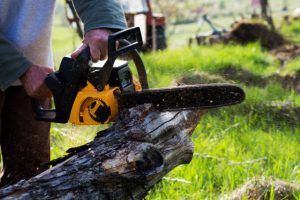
Man cuts a fallen tree, dangerous work

trees.  Although trees can provide beauty and shade, they can also pose a serious safety hazard. If a tree is damaged or rotting, it can fall and cause significant damage to property or even injure people. If you have a tree that you suspect is hazardous, it’s important to take action to remove it as soon as possible.

There are a few different ways to remove a hazardous tree. One option is to simply cut the tree down. However, this can be dangerous if the tree is large or if it falls in the wrong direction. Another option is to use a crane to lift the tree out of the ground. This is often the safest method, but it can be expensive. Finally, you may be able to disassemble the tree piece by piece. This requires more time and effort, but it minimizes the risk of injury.

No matter which method you choose, it’s important to work with an experienced professional. Removing a hazardous tree is not a do-it-yourself project. Attempting to remove a tree without proper training and equipment can be extremely dangerous. By working with a professional, you can rest assured that the job will be done safely and effectively.
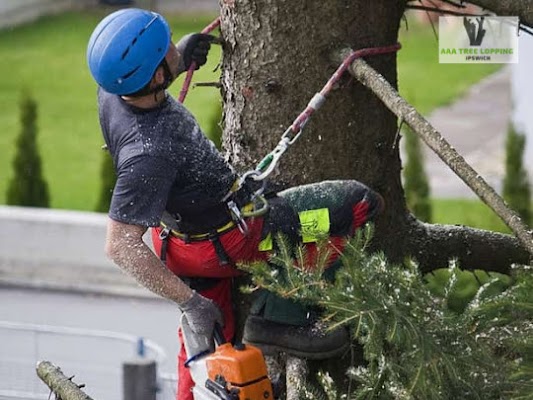
What are the dangers of removing a hazardous tree? Hazardous tree removal jobs often involve working at great heights, which can pose a serious safety risk.

What to do with a hazardous tree once it is removed

Just like any other type of waste, tree debris from trees that have been removed must be properly disposed of in order to protect the environment and public health. The options for disposing of tree waste will vary depending on the size and type of tree, as well as the local regulations in your area. In some cases, the tree waste can be chipped or mulched on site.

However, if the tree is large or contains hazardous materials, it may need to be taken to a landfill or incinerated. Tree stumps can also be ground down using a stump grinder, but this should only be done by a certified professional. By taking the time to properly dispose of a hazardous tree, you can help to keep your community safe and clean.

How to tell if a tree is hazardous

There are a few ways that you can tell if a tree is hazardous. If the tree is dead, it is likely to fall and pose a danger to people or property. If the tree has been damaged by storms or other natural disasters, it may also be hazardous.

Additionally, if the tree has been weakened by disease or pests, it may be more likely to fall. Finally, if the tree was poorly planted or is otherwise structurally unsound, it may also be hazardous. If you are unsure whether a particular tree is safe, you can contact a certified arborist for an evaluation.

The most common type of hazardous trees

In Queensland, there are several types of trees that are considered hazardous. The most common are those that have the potential to drop limbs or branches, such as eucalypts and acacias. These trees are often found near power lines or houses, and can pose a serious risk if they are not properly maintained.

Other types of hazardous trees include those that are infested with Christmas beetles or termites, as well as those that have diseased or dying branches. These trees can pose a threat to property and life, and should be removed as soon as possible. To ensure the safety of your home and family, it is important to regularly check for hazardous trees and take action to remove them before they cause harm.

What skill does a hazardous tree removal arborist require?

Hazardous tree removal workers must be highly trained and experienced in order to safely remove trees. They must be able to identify hazardous trees, as well as understand the best way to remove them without causing harm. In addition, they must be aware of the local regulations regarding tree removal and disposal.

Hazardous tree removal workers must also have the necessary equipment to safely remove trees, including chainsaws, ladders, and cranes. By working with a certified and experienced arborist, you can be sure that your hazardous tree will be removed safely and properly.

How are hazardous trees typically removed?

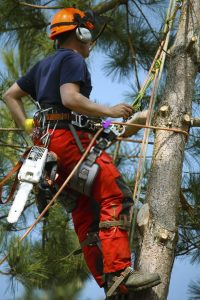
Hazardous tree removal jobs often involve working at great heights, which can pose a serious safety risk.  Hazardous tree removal jobs are often performed in inclement weather conditions, such as high winds and rain. For these reasons, it is important to only allow certified and experienced professionals to remove hazardous trees.

The first step in removing a hazardous tree is to assess the situation and determine the best way to remove the tree without causing harm. In some cases, the tree can be cut down using a chainsaw. However, if the tree is large or close to power lines, a crane may need to be used to remove it.

Once the tree has been removed, the stump will need to be ground down using a stump grinder. This process can be dangerous, and should only be performed by a certified professional. By taking the time to safely remove a hazardous tree, you can help to keep your community safe and clean.

The consequences of not removing a hazardous tree

One of the most common hazards in urban and suburban areas is trees. Trees can pose a danger to people and property if they are not properly maintained. When a tree becomes hazardous, it is important to remove it before it causes damage. The consequences of not removing a hazardous tree can be severe.

If the tree falls, it could damage homes, cars, and power lines. It could also injure or kill people. In addition, a tree that is left unkempt can become a breeding ground for pests and diseases, which can spread to other trees and plants. As a result, it is important to take action when a tree becomes hazardous. By removing the tree, you can help to protect your property and your community.

Who is responsible for removing a hazardous tree?

The owner of the property on which the tree is located is generally responsible for removing the tree. If the tree is located on public property, the municipality in which the tree is located is generally responsible for removing the tree. If the tree is located on private property and is considered to be a hazard, the owner of the property is generally responsible for removing the tree.

What are the benefits of removing a hazardous tree?

The benefits of removing a hazardous tree are many and varied. In some cases, it may be the only way to protect property and people from the dangers posed by the tree. In other cases, it may simply be the best way to improve the look of your property.

What are the dangers of removing a hazardous tree?

Well, for one thing, it’s extremely dangerous to try to remove a hazardous tree yourself. Not only could you injure yourself, but you could also damage your property. And, of course, there’s always the possibility that the tree could fall on top of your house or your car. Not to mention, if the tree is big enough, it could easily crush anyone who happens to be standing underneath it when it falls. So, as you can see, there are lots of reasons why you shouldn’t stand under a tree during a thunderstorm. For one, you could get hit by lightning. Secondly, the tree could get hit by lightning and fall on top of you. Third, even if the tree doesn’t get hit by lightning, the roots can still be damaged by the electricity in the ground, which can cause the tree to fall over.

from AAA Tree Lopping Ipswich https://ift.tt/m9zfUH5
via IFTTT

Is Kenmore Brisbane a good suburb?

Is Kenmore Brisbane a good suburb?

There is no definitive answer to this question as it depends on individual preferences and what someone is looking for in a suburb. Some people may find the Kenmore area to be a great place to live, with its proximity to the CBD, while others may prefer the quieter suburbs located further out.

One of the main benefits of living in Kenmore QLD is the weather. The suburb is located in the subtropical climate zone, which means that it enjoys mild winters and warm summers. This makes it a great place to enjoy outdoor activities all year round.

There are also plenty of parks and green spaces in Kenmore, as well as a number of retail and dining options. So whether you’re looking for a place to raise a family or just somewhere to call home, Kenmore may be the perfect suburb for you.

What is it like to live in Kenmore?

Living in Kenmore is a great experience for many reasons. For one, the weather is perfect, with mild winters and hot summers. In addition, there are plenty of parks and attractions nearby, such as the wonderful Brisbane Zoo. Plus, the locals are friendly and welcoming. All in all, it’s a great place to call home!

Check out our video on Kenmore QLD – Full suburb Profile

What side of Brisbane is Kenmore?

Kenmore is located in the western suburbs of Brisbane, Queensland. It is a popular suburb for families, as it has a mix of rural and suburban living. The weather in Kenmore is typically mild, with temperatures ranging from 20-30 degrees Celsius. There are plenty of parks and attractions located near Kenmore, including the Brisbane River and Mount Coot-tha. Kenmore is also home to a number of schools, making it a great suburb for families with children. Overall, Kenmore is a safe, friendly, and vibrant suburb that has something to offer everyone.

What is the history of Kenmore?

Kenmore is a suburb in southwest Brisbane, Queensland, Australia. It is about 10 kilometers west of the Brisbane CBD. The suburb is relatively hilly, with Mount Omega in the northeast corner being the highest point at 72 meters. Several small creeks run through the suburb, including Ithaca Creek which forms its eastern boundary. Kenmore was originally part of the large farming area known as The Brookfield Run, which was first occupied by Europeans in 1841. The area remained largely undeveloped until the 1970s when it was subdivided for residential use. Since then, Kenmore has become a highly sought-after area to live, in due to its leafy surroundings and convenient location. It is now home to a diverse range of people, from young families to retirees. Kenmore is also home to a number of parks and reserves, as well as a golf course and several schools.

Is Kenmore a nice suburb?

Kenmore is a quiet, leafy, vibrant, and thriving suburb located just outside of Brisbane, Queensland. The suburb is filled with family-friendly amenities and activities, including parks, playgrounds, and schools. Kenmore is also home to a number of restaurants and cafes, as well as shopping centers and other businesses. The suburb is well-connected, with regular bus service to Brisbane CBD and easy access to the freeway. Overall, Kenmore is an ideal place to live for families and individuals alike. The suburb has something to offer everyone, making it a truly enjoyable place to call home.

The Kenmore area is well-known for its natural beauty, and its residents enjoy easy access to a variety of parks and recreational facilities. Kenmore is also home to a number of excellent schools, and the crime rate is low. In short, Kenmore is an ideal suburb for families or those looking for a peaceful place to call home. There are plenty of shopping and dining options in Kenmore. Overall, Kenmore is a great place to live, work, or raise a family.

Is Chapel Hill a good suburb?

Whether you’re looking for a family-friendly neighborhood or a place to retire, Chapel Hill is a great suburb to call home. Located just minutes from the Brisbane CBD, Chapel Hill offers residents a peaceful escape from the hustle and bustle of city life. The suburb is home to a number of parks and green spaces, as well as a variety of shops and restaurants. Families will appreciate the convenient location and safe, friendly environment. retirees will enjoy the quiet streets and close-knit community. Whether you’re young or old, Chapel Hill is sure to have something for everyone.

Is Kenmore, QLD a safe place to live?

Kenmore is a beautiful suburb located in the City of Brisbane, Queensland, Australia. According to the 2016 census, the population of Kenmore was 10,785. The population density of Kenmore is 554 people per square kilometer. The median age of people in Kenmore is 38 years. 65.9% of people in Kenmore were born in Australia. The other top countries of birth are England 4.7%, New Zealand 3.0%, China 1.9%, India 1.8%, and Malaysia 1.4%. 91.4% of people speak English as their first language. The other top languages spoken are Mandarin 1.7%, Cantonese 0.9%, Japanese 0.6%, Indonesian 0.5%, and Korean 0.5%.Kenmore has a crime rate of 79 per one thousand residents, which is about average for all cities and towns of all sizes in America. One’s chance of becoming a victim of either violent or property crime here is one in 13. Within Queensland, just 3% of the 2,355 places have a lower crime rate than Kenmore according to NeighborhoodScout’s analysis of FBI crime data..

Which Brisbane suburb is the best to live in?

Brisbane is a huge city, and it can be tough to decide which suburb is the best place to call home. However, there are a few key things to consider that can help make the decision a little easier. First, think about what kind of lifestyle you want to live. If you’re looking for a more laid-back lifestyle, then suburbs like Indooroopilly or Toowong might be a good fit. On the other hand, if you’re looking for a more vibrant and exciting scene, then areas like Fortitude Valley or New Farm are worth considering. Another important factor to think about is proximity to amenities. If you want to be close to shops, restaurants, and other conveniences, then central suburbs like Brisbane City, Ipswich  or Woolloongabba are ideal. However, if you prefer a more quiet and secluded lifestyle, then suburbs like Seventeen Mile Rocks or Samford Valley might be better suited to your needs. Ultimately, there’s no right or wrong answer when it comes to choosing which suburb is best to live in Brisbane – it all comes down to personal preference.

When it comes to choosing the right suburb for your family, there’s no one-size-fits-all answer. However, if you’re looking for an affordable and safe place to call home, Brisbane’s suburbs are worth considering.

from AAA Tree Lopping Ipswich https://ift.tt/RF7zlJv
via IFTTT

The Most Common Trees in Ipswich QLD

The Most Common Trees in Ipswich QLD

The Ipswich Qld area is home to a variety of trees that provide many benefits to the community. Some of the most common types of trees in Ipswich are listed below. These are common trees in cooler areas of Australia, but there is a reason you don’t see them much in Ipswich. These plants simply don’t get the cold conditions they need to show off their autumn colours, and many simply won’t thrive long-term in the environment.

The Blueberry Ash Tree
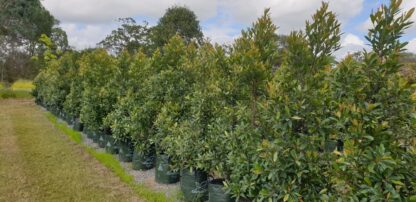
The blueberry ash (Elaeocarpus reticulatus) is a small to medium-sized tree that is native to Australia and can be found in a garden. It gets its name from the small, blue berries that it produces. The blueberry ash is a popular ornamental tree due to its attractive flowers and fruit. It is also a fast-growing tree, making it a good choice for windbreaks and screens. The blueberry ash can reach up to 15 metres in height and has a spreading crown. The leaves are dark green and glossy, with a distinctive reticulated (net-like) venation. The flowers are white or pale pink, and they are borne in clusters of 3-7 flowers. The fruit is a small, blue berry that is about 1 cm in diameter. Blueberry ash trees are hardy and adaptable, and they can tolerate drought and poor soils. They are also relatively resistant to pests and diseases. Consequently, the blueberry ash is an excellent choice for landscaping in areas where other trees have struggled to thrive.

Grey Gum (Eucalyptus propinqua)
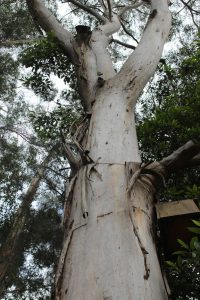
TheGrey Gum (Eucalyptus propinqua) is a tall, evergreen tree that originates from southeastern Brisbane Australia. Grey gums can grow up to 30 meters in height and 2 meters in width, making them one of the tallest species of eucalyptus trees. The bark of the grey gum is smooth and grey-white in color, with a distinctively dull sheen. The leaves of the tree are long and narrow, averaging 10-15 centimeters in length. The flowers of the grey gum are small and cream-colored, blooming in clusters of 3-5. The fruit of the tree is a small woody capsule, containing numerous seeds.

Grey gums are commonly used as timber trees due to their sturdy wood. The wood is hard and durable, making it ideal for construction purposes. Grey gum timber is also resistant to rot and insect damage, further increasing its usefulness. In addition to being used for timber, grey gums are also popular as ornamental trees. Their attractive appearance and fast growth rate make them well suited for landscaping purposes. Indeed, the grey gum is an important tree species in both the forestry and horticultural industries.

Black She-Oak (Allocasuarina littoralis)
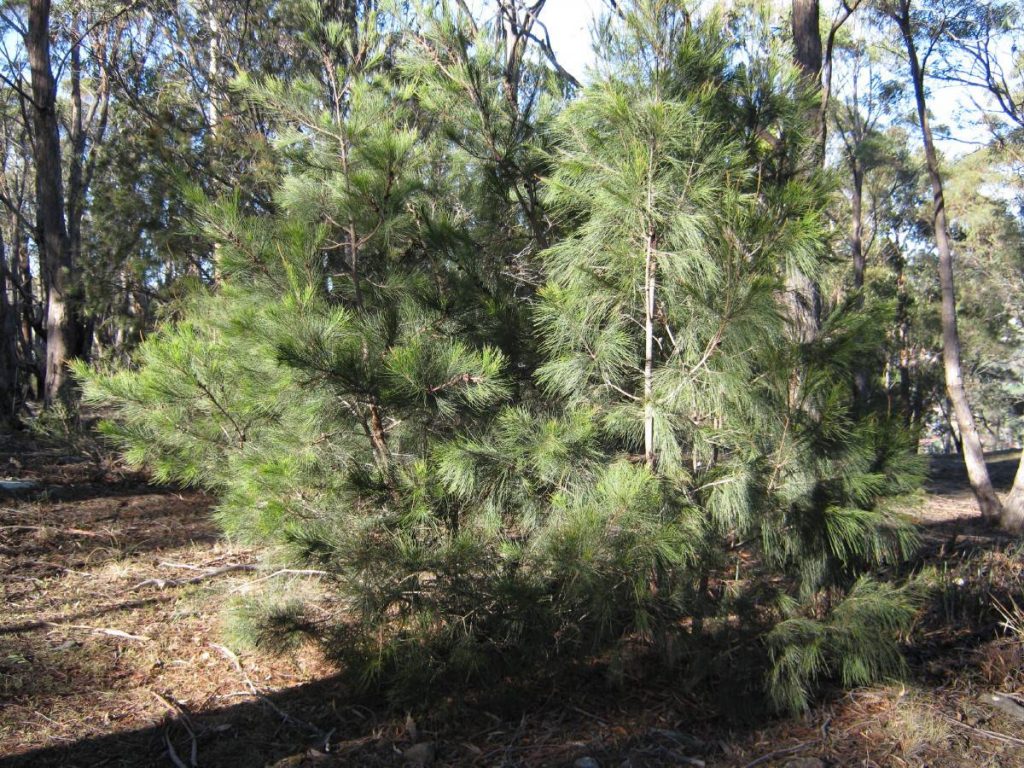
The Black She-Oak tree is a native of Australia and is found in coastal areas. The tree gets its name from the black colour of its heartwood. It is a hardy tree and can tolerate salt spray, strong winds and drought conditions. The Black She-Oak tree is an important food source for many animals, including koalas, kangaroos and possums. The leaves of the tree are also used as fodder for livestock and shelter for native plants. The Black She-Oak tree is also an important source of wood for the furniture and construction industries. The wood is hard and durable, making it ideal for a variety of applications. In addition to its practical uses, the Black She-Oak tree is also an attractive landscaping plant with its dark leaves and distinctive silhouette.

Wild Passionfruit (Passiflora suberosa)


The Wild Passionfruit tree is a native of South America, and it has a long history of being used for its nutritional and medicinal properties. The tree produces a beautiful flower and fruit that is high in vitamins C and A, as well as potassium and magnesium. The fruit can be eaten fresh, or it can be made into a juice or tea. Passionfruit juice is said to be effective in treating anxiety and depression, while the tea is often used as a relaxant. The leaves of the Wild Passionfruit tree are also used to make a traditional South American remedy for stomach troubles. When taken regularly, this herb is said to help improve digestion and relieve stomach pain. In addition to its many benefits for human health, the Wild Passionfruit tree is also an important source of food for wildlife. The fruits are eaten by birds, bats, and even small mammals. In turn, these animals help to spread the tree’s seeds throughout the forest, ensuring that new generations of Wild Passionfruit trees will continue to grow.

Pink Bloodwood (Corymbia intermedia)
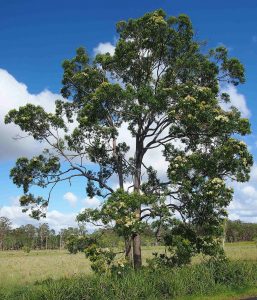
The Pink Bloodwood tree is native to Australia and is a member of the eucalyptus family. The tree gets its name from the pinkish-red color of its wood, which is prized for its beauty and durability. The tree grows up to 50 feet tall and has a wide, spreading canopy. The pink bloodwood is a popular choice for landscaping because it is drought-tolerant and fast-growing. Additionally, the tree is known for its resistance to pests and diseases. The leaves of the pink bloodwood are rich in oils that can be used for medicinal purposes, and the wood can be used for a variety of purposes, including furniture and cabinetry. Overall, the pink bloodwood is an attractive and versatile tree that provides many benefits.

Brush Box (Lophostemon confertus)
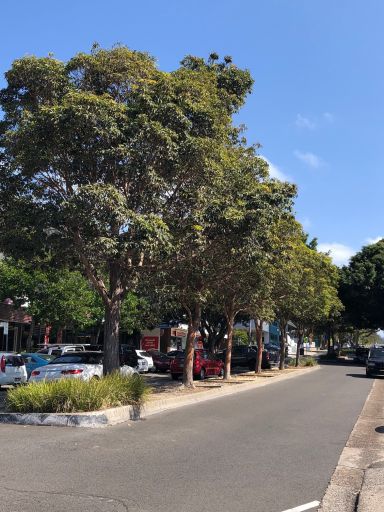
The brush box is an attractive tree that is native to Australia. It grows to a height of 20-30 meters and has dark green, glossy leaves. The flowers are white and borne in clusters, and the fruit is a small, dry capsule. The brush box is an excellent shade tree and is widely used as a street tree or in parklands. It is tolerant of a wide range of soil types and climates and is also drought-tolerant once established. The brush box has many benefits, including its ability to provide shade, reduce noise pollution, and improve air quality. In addition, the tree is an important food source for many native animals, such as lorikeets and honeyeaters. The brush box is a valuable asset to any garden, and its many benefits make it well worth planting.

Soap Tree (Alphitonia excelsa)

The Soap Tree is a species of flowering tree that is native to New Caledonia, an island nation in the southwest Pacific Ocean. The tree gets its name from the fact that the leaves and fruits contain saponins, which are natural soap-like compounds. The Soap Tree has a variety of uses, both medicinal and practical. The saponins in the leaves can be used as a natural shampoo, and the bark can be made into a strong rope. In addition, the tree is an important source of food for the local people. The flowers are eaten as greens, and the nuts are roasted and used as a coffee substitute. The Soap Tree is also valued for its wood, which is hard and durable. Overall, the Soap Tree is a versatile and valuable tree that provides many benefits.  Planting trees adds value  to both people and the environment.

Narrow-leaved Ironbark (Eucalyptus crebra)

The Narrow-leaved Ironbark is a native Australian tree that is known for its hard wood and iron-like bark. The tree grows up to 30 metres tall and has dark green leaves with a leathery texture. The Ironbark is an important food source for many Australian animals, including koalas and kangaroos. The tree is also used by humans for timber and fuel. The Ironbark’s hard wood makes it an ideal material for flooring, furniture and railway sleepers. The tree’s bark is rich in tannins, which can be used to tan leather. The Narrow-leaved Ironbark is an important part of the Australian landscape, and its many benefits make it a valuable asset to both humans and wildlife.

Queensland Silver Wattle (Acacia podalyriifolia)
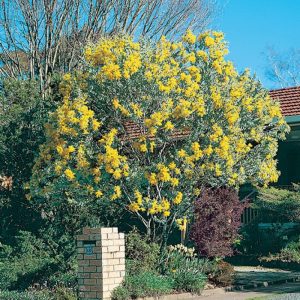
The Queensland silver wattle is a fast-growing tree that can reach a height of 15 meters. It is native to Australia and is found in Queensland, New South Wales, and the Northern Territory. The tree has long, narrow leaves and clusters of bright yellow flowers. It blooms from July to September. The Queensland silver wattle is an important source of food for native animals, such as koalas and kangaroos. The tree is also used for woodworking and as a source of honey. In addition, the Queensland silver wattle is an important symbol of the state of Queensland. The tree was declared the official floral emblem of Queensland in 1992.

The Moreton Bay Fig Tree
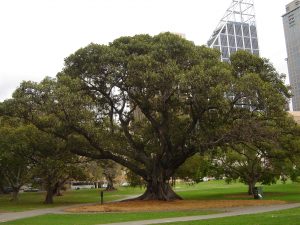
The Moreton Bay Fig tree is a large evergreen tree that is native to Australia. The tree gets its name from the Moreton Bay region in Queensland, where it is commonly found. The tree can grow up to 30 meters tall and has a broad canopy that can provide shade for an entire park. The Moreton Bay Fig tree is also known for its aerial roots, which are roots that grow out of the ground and up the trunk of the tree. These roots help to support the massive weight of the canopy and also help to anchor the tree in place during high winds. The Moreton Bay Fig tree is an important species in Australia because it provides habitat for numerous birds and animals. The tree is also a popular destination for tourists, who come to see the unique roots and the massive size of the tree.

What are the benefits of each tree and native plants

Each of the trees mentioned above has unique benefits that make them a popular choice for landscaping in Ipswich QLD.

The blueberry ash tree is known for its attractive blue-green leaves and for being a fast grower. This tree is a good choice for those who want a quick way to add some color to their landscape.

The grey gum tree is both medicinal and practical. This tree is an excellent choice for those who are looking forgood choice for those who want a hardy tree that is tolerant to drought and frost. This tree is also a good option for those who are looking for a windbreak or privacy screen.

The black she oak tree is a popular choice for landscaping because it is a hardy tree that can tolerate poor soil conditions. This tree is also a good choice for those who want a privacy screen or windbreak.

The wild passionfruit tree is a good choice for those who are looking for a fast-growing, ornamental tree. This tree is known for its bright flowers and fruit.

The pink bloodwood tree is an excellent choice for those who are looking for a hardy, fast-growing tree. This tree is known for its beautiful pink flowers and its ability to tolerate poor soil conditions.

The brush box tree is an excellent choice for those who are looking for a fast-growing, hardy tree. This tree is known for its ability to tolerate poor soil conditions and for its beautiful red flowers.

The soap tree is a good choice for those who are looking for an ornamental tree. This tree is known for its beautiful white flowers and its ability to tolerate poor soil conditions.

The narrow-leaved ironbark tree is a good choice for those who are looking for a hardy, long-lived tree. This tree is known for its ability to tolerate drought and poor soil conditions.

The Queensland silver wattle is a fast-growing tree that is native to Australia. The tree has long, narrow leaves and clusters of bright yellow flowers. The Queensland silver wattle is an important source of food for native animals, such as koalas and kangaroos. The tree is also used for woodworking and as a source of honey. In addition, the Queensland silver wattle is an important symbol of the state of Queensland. The tree was declared the official floral emblem of Queensland in 1992. It provides a great source of shade for native plants. The wattle has been quoted as having a similar appearance to tea tree Melaleuca.

The Moreton Bay Fig tree is a large evergreen tree that is native to Australia. The tree gets its name from the Moreton Bay region in Queensland, where it is commonly found. The tree may grow up to 30 meters tall and has a broad canopy that can provide shade for an entire park. The Moreton Bay Fig tree is also known for its aerial roots, which are roots that grow out of the ground and up the trunk of the tree. When you plant a native tree in the city you are investing in the future biodiversity of the local area. The same goes for native plants.

Each of these trees has benefits that make them a good choice for landscaping in Ipswich QLD. Choose the tree that best fits your needs and

The Illawarra Flame Tree is known for its ability to tolerate poor soil conditions and extended dry periods. It is also a fast-growing tree, reaching up to 15 metres tall in just a few years.

The Moreton Bay Fig is a large tree that provides plenty of shade. It is also an attractive tree with its dark green leaves and small white flowers.

The Queensland Blue Gum is another fast-growing tree that provides plenty of shade. It is also a drought-tolerant tree, making it a great choice for those in dryer climates.

The Benefits of Tea Tree

Tea tree oil is a natural product that has many benefits. It can be used to treat a variety of skin conditions, including acne, psoriasis, and eczema. Tea tree oil can also be used to treat fungal infections, such as athlete’s foot and ringworm. In addition, tea tree oil can be used to kill bacteria and viruses, making it a great natural disinfectant. Tea tree oil is also effective in treating head lice and dandruff.

How to Plant and Care for Tea Trees

Tea trees can be planted in any type of soil in Ipswich. However, they prefer well-drained soil that is high in organic matter. When planting tea trees, it is important to space them out so that they have room to grow. Tea trees should be watered regularly, especially during the summer months. When watering tea trees, it is important to avoid getting the leaves wet, as this can cause leaf spot.

The proper care and treatment of trees in Ipswich QLD

The Paperbark Maple, Illawarra Flame Tree, Moreton Bay Fig, Queensland Blue Gum, and Yellow Box all require similar care and treatment. Here are a few tips to help you get started:

1. The Paperbark Maple, Illawarra Flame Tree, and Queensland Blue Gum are all fast-growing trees. As such, they will require more water than other trees. Be sure to water these trees deeply and regularly, especially during periods of drought.

2. The Moreton Bay Fig and Yellow Box are both low-maintenance trees. However, they will still benefit from occasional deep watering and fertilising.

3. All of the trees mentioned above will benefit from being planted in well-draining soil. If your soil is heavy or clay-like, consider amending it with sand or compost to improve drainage.

4. Lastly, all of these trees prefer full sun. However, they can still tolerate partial shade. If you live in a particularly hot climate, consider planting these trees in an area that receives some afternoon shade.

The best time to plant the trees

The best time to plant the Paperbark Maple, Illawarra Flame Tree, Moreton Bay Fig, Queensland Blue Gum, and Yellow Box is during the spring or fall. This is because the weather is cooler and there is more rainfall during these months, which helps the trees to establish themselves more quickly.

However, these trees can still be planted during the summer and winter months if necessary. Just be sure to water them more frequently during the dryer months.

FAQ

1. What are the most common trees in Ipswich?

The five most common trees in Ipswich are the Paperbark Maple, Illawarra Flame Tree, Moreton Bay Fig, Queensland Blue Gum and Yellow Box.

2. What are the benefits of these trees?

Each of these trees has unique benefits that make them a popular choice for landscaping. The Paperbark Maple is known for its smooth, paper-like bark which is beautiful and eye-catching. The Illawarra Flame Tree is known for its ability to tolerate poor soil conditions and extended dry periods. The Moreton Bay Fig is a large tree that provides plenty of shade. The Queensland Blue Gum is a fast-growing tree that provides plenty of shade. The Yellow Box is a small to medium-sized tree that is low maintenance.

3. What is the best time to plant these trees?

The best time to plant the Paperbark Maple, Illawarra Flame Tree, Moreton Bay Fig, Queensland Blue Gum, and Yellow Box is during the spring or fall. This is because the weather is cooler and there is more rainfall during these months, which helps the trees to establish themselves more quickly. However, these trees can still be planted during the summer and winter months if necessary. Just be sure to water them more frequently during the dryer months.

4. How do I care for these trees?

All of these trees prefer full sun. However, they can still tolerate partial shade. If you live in a particularly hot climate, consider planting these trees in an area that receives some afternoon shade. Additionally, all of the trees mentioned above will benefit from being planted in well-draining soil. If your soil is heavy or clay-like, consider amending it with sand or compost to improve drainage. Lastly, the Moreton Bay Fig and Yellow Box are both low-maintenance trees. However, they will still benefit from occasional deep watering and fertilising. The other trees mentioned above will also benefit from occasional deep watering and fertilising, especially during extended periods of dry weather.

from AAA Tree Lopping Ipswich https://ift.tt/nINaPU0
via IFTTT
Planting Trees Benefits

Planting Trees Benefits Are Plentiful

What are the benefits of planting trees for the environment

Trees are more than just power plants that provide shade and homes for squirrels. They can prove to be beneficial in multiple ways.

Trees help prevent soil erosion by trapping the sediment of water so it doesn’t enter waterways, making flooding less likely near tree-lined coasts. They also improve air quality by absorbing carbon dioxide and other pollutants and releasing fresh oxygen. Trees help to cool the air and reduce the effect of human-induced climate change by regulating local climates and microclimates.  There are studies available which have been conducted by the Aboriculture Australia.
Trees provide a habitat for hundreds and thousands of organisms and thus serve as an important part of many food chains. They also provide several environmental benefits. The amount of organic matter produced by one tree can take years to decompose.


planting trees benefits

What are the 10 benefits of planting trees?

According to Arboriculture Australia Trees provide a wide range of benefits. They improve air and water quality, reduce soil erosion, and offer food and shelter for wildlife. Trees also add to beauty of areas by providing shade and visual interest for a variety of locations in Australia.

Unexpected Benefits of Planting Trees: A Tree Can Be Worth $60,000

A mature tree offers all kinds of benefits, not just the shade it provides. New research says that benefits of a tree can be worth up to $60,000.

Trees Reduce Air Pollution

Tree plantings reduce air pollution by absorbing carbon dioxide and releasing oxygen into the atmosphere. They also absorb pollutants like soot and smog produced by cars and industrial processes which results in clear, clean air. Which is another example of the environmental benefits of planting trees benefits. In one year an acre of mature trees can provide enough oxygen for 18 people. Average temperatures in Los Angeles have risen 6°F in the last 50 years as tree coverage has declined and the number of heat-absorbing roads and buildings has increased. Trees cool the city by up to 10°F, by shading our homes and streets, breaking up urban “heat islands” and releasing water vapor into the air through their leaves.

Trees Reduce Noise Pollution

Trees reduce noise pollution by deadening sounds produced by cars and trains. They also absorb the sound of wind whistling past buildings which results in a calmer environment for people to live in.

Planting Trees Provides Food for Wildlife

Planting trees provides food for wildlife in Australia. Different trees have different kinds of berries, nuts, fruits and seeds that are eaten by birds, deer, rabbits, squirrels and other animals. In their natural habitat they can provide enourmous benefit to wildlife particularly when it comes to mature trees. Many birds thrive in the many environmental benefits provided through tree coverage. When done well, tree planting is recognised as one of the most engaging, environmentally friendly activities that people can take part in to better the planet.

Trees Reduce Soil Erosion

Trees reduce soil erosion by absorbing heavy rains and providing a canopy for upper story power plants which reduces water runoff. They also slow the flow of water across the surface of the ground which allows soil to settle and prevents flooding.

Tree planting benefits for the local community

Trees Reduce Storm Water Runoff

Trees reduce storm water runoff by absorbing large quantities of rainwater before it hits the ground. This reduces water pollution from being carried into local waterways.

Planting Trees is a Great Form of Exercise

Planting trees is a great form of exercise. It provides low impact exercise like bending at the knees and using lower back muscles. Planting trees can also be combined with other forms of aerobic exercise like jogging or biking, which makes it even more beneficial. Its always to a pleasure to take a stroll through a beautiful tree lined street in your local neigborhood.

Planting Trees Creates Shade to Cool Down In

Large trees provide shade to cool down in on hot summer days. The shade that is created by trees provide relief from the sun and reduces the temperature of an area. The can benefit an entire community by providing shade particularly in the warmer climate areas.

Planting Trees Makes Property Appreciate

Trees make property appreciate in value which means they have economic benefits. They increase privacy, increase green spaces, decrease noise pollution, absorb storm water runoff, slow water runoff and reduce soil erosion which results in decreased maintenance costs like mowing or repaving driveways. Which also leads to improved mental health and reducing stress levels for the entire community creating a better future. So its more than just property values and applies to young people and old.

Planting Trees Help Fight Global Warming

Planting trees helps fight global warming because trees absorb greenhouse gases like carbon dioxide, which contribute to the greenhouse effect and contribute to global warming. Planting more trees in Australia is one of the easiest ways to slow down global warming for everyone affected by it. They are incredibly efficient to reduce carbon dioxide.

If you want to plant a tree, you can search for local places to plant trees in your area at TreePeople.org

As Arborists, we need to know what our actions are doing to the environment and how it will affect people. We also need to look into the unintended consequences of our work, like air pollution or noise pollution created by new buildings that aren’t planned with trees in mind.

We need to keep this information in mind so that we can make sure trees are planted the right way and the benefits they provide are maximized for everyone involved.

Why is planting important?

Planting is important because it provides the best possible habitat for wildlife and regulates water flow, sedimentation and erosion.

Why is planting important?

1) Planting is important because it provides the best possible habitat for wildlife.

2) Planting provides highly important feeding, nesting and cover areas for wildlife.

3) Planting regulates water flow, sedimentation and erosion in waterways.

4) Often times planting can reduce flood risks.

5) It also helps to reduce soil erosion in the local community.

Planting trees in Ipswich QLD is important because it provides the best possible habitat for wildlife and regulates water flow, sedimentation and erosion.
Although simple to do, planting has shown massive benefits in areas where projects are needed or already implemented. It can be used to plan wetlands which provides the best possible feeding grounds for many types of animals in the local community. Fossil fuels also increase carbon monoxide levels which makes it important to fight climate change.

Why is tree planting important for the environment?

Trees provide food and many important other things for the environment. The overall environmental benefits are astounding. They can provide an actual place for animals to live, they provide shade which cools down the area underneath them and they absorb carbon dioxide which is a greenhouse gas that causes climate change.

Both young trees and large trees are beneficial to the environment in other ways as well, however this article will focus on their positive impact on climate change. Tree maintenance also creates a sustainable green infrastructure which increases green space and reduces excess carbon dioxide.

The Earth’s atmosphere is made up of greenhouse gases such as carbon dioxide and methane, among others such as water vapour. Greenhouse gases is part of our vital habitat and can absorb heat from the sun and prevent it from going back into space which in turn keeps our earth warm. However too many greenhouse gases in the atmosphere can cause a disruption to the natural greenhouse gases which results in too much heat being held inside. This leads to climate change, or global warming.

The best way to combat the problem of greenhouse gas emissions is by planting trees since they absorb carbon dioxide from the atmosphere which causes them to grow. As the trees grow, they are able to absorb even more carbon dioxide which helps to reduce the carbon dioxide concentration in the atmosphere which in turn slows down climate change.

Trees are able to absorb carbon dioxide through what is called photosynthesis. During photosynthesis, trees use sunlight and water to produce leaves, stems and roots that help them grow while also absorbing carbon dioxide from the air around them, hence why forests are sometimes referred to as the lungs of the planet.

Planting trees is also beneficial because they provide homes for certain animals and can be used as natural windbreaks which slows down strong winds that come in through the front door, so to speak. It can also help reduce soil erosion because it holds onto soil better than regular ground cover.

Trees are truly amazing and they are important for the environment.

Which Tree Species are Native to Australia?

Native and indigenous tree species refer to those that first grew naturally on the Australian continent and were present before European settlement. A number of these native species are very rare, as they have been decimated by land clearing, agricultural development and fire control.

The diversity of Australia’s vegetation is as distinctive as its animals and climate; it ranges from lush rainforest to desert-like conditions, and from plant life found nowhere else on Earth, to temperate zones that are extremely similar to the tree types found in Europe.

The native flora has adapted over time through evolution or adaptation to environmental conditions like drought or high temperatures. The area of origin for many of Australia’s cultivated plants is unknown simply because

National Tree – planting – urban environments – environment – Benefit – Health Benefits – benefits – area – grant – Agriculture – economic – social – homes – Social

The National Tree Week planting ceremony also provided an opportunity for the Australian Government to highlight the health benefits of trees in urban environments. Trees provide a habitat for wildlife, promote biodiversity, and provide shade during hot summer months, while reducing air polluting chemicals such as carbon dioxide and ozone.

Australia’s trees contribute to water conservation and help with soil erosion prevention. The use of native species rather than exotic plantings is encouraged because they are more resistant to insects and diseases. Native tree species also offer other benefits such as: economic (timber production), environmental (absorption of atmospheric carbon dioxide), social (housing) and cultural (spiritual). The National Tree Week provided a grant for $80,000 for projects that involve raising awareness about tree health the benefits to the environment.

from AAA Tree Lopping Ipswich https://ift.tt/3zdHuub
via IFTTT

How To Properly Stake A Newly-Planted Tree

Written by Nicholas Tan and published on http://www.articlesfactory.com/

When a tree is in the young stages, one of the most vital things you need to provide for it in addition to water and nutrients is support. If you don’t hold up the tree somehow, it might end up bending in a certain direction and growing extremely crooked for the rest of its life. So no matter what, you should always have some kind of support.

The most popular method of keeping young trees upright is to put long stakes into the ground on either side and tie loops around the tree. Each loop should be fairly loose to allow for further expansion of the trunk. Lots of people just have a stake on one side of the tree, but this is not good practice because it generally doesn’t allow for further growth of the tree.

Staking a Young Tree

When a tree is in the young stages, one of the most vital things you need to provide for it in addition to water and nutrients is support. If you don’t hold up the tree somehow, it might end up bending in a certain direction and growing extremely crooked for the rest of its life. So no matter what, you should always have some kind of support.

The most popular method of keeping young trees upright is to put long stakes into the ground on either side, and tie loops around the tree. Each loop should be fairly loose to allow for further expanding of the trunk. Lots of people just have a stake on one side of the tree, but this is not a good practice because it generally doesn’t allow for further growth of the tree.You should only be staking your tree if you think that wind and other forces might be literally moving the ball of roots within the ground.

Your staking should prevent all of this movement, because this is the most harmful thing that can happen to a young tree. It causes the roots to be in motion too much and not be able to properly get a hold on the soil so that the tree can develop normally.Before you stake a tree, you should be completely sure that it needs it. If you constrict the movement and growth of a tree that doesn’t need to be tethered down, you could harm it beyond repair. For example, the staking mechanism you use could cause abrasion or “rashes” on the trunk. This will happen anyways, but why have it happen needlessly? Also, staking gives your yard an unnatural look and can present a hazard for people walking or running across the yard.The staking process is actually rather simple.

Just take 3 stakes and tie each one separately near the base of the trunk. If you use some sort of tether to prevent rope burn on your tree, that would be an even better solution. These can be purchased at any gardening shop, and are designed to be friendly to the bark of the tree. It is much better to stick with these instead of bare rope, to minimize the amount of friction the tree endures.When you think your tree has been staked long enough to stand on its own, you should remove the stakes from the ground as soon as humanly possible. Every moment the tree is constricted it is losing some of its vitality.

As soon as it seems like the wind is dying down around your area, look on the weather reports and see how much wind is forecasted. If the skies will be pretty clear for a while, you should at least temporarily take off the stakes. To wrap it all up, you should never deny your tree a good staking. It is a completely necessary thing to do in certain situations. It is very crucial to understand when those occasions are, though. Staking a tree that doesn’t need it can be as damaging as not staking a tree that does need it. It might be beneficial for you to consult an expert, and get their opinion as to whether your tree should be staked, and for how long.

Original post here https://ift.tt/36ITJl0.

from AAA Tree Lopping Ipswich https://ift.tt/3et3vw5
via IFTTT

Tree Services: Common Tree Diseases And How to Treat Them

Written by Anna Woodward and published on http://www.articlesfactory.com/

If you are concerned about the health and well-being of your fauna, plants, shrubs, and trees then you need to be aware of the most common tree and plant diseases affecting species. Many of these diseases, if detected early enough and treated by a professional tree arborist or surgeon are curable. 

We are specializing in the early detection and treatment of all types of common and uncommon tree and plant diseases. Our highly trained tree surgeons have years of experience working with products eradicating these types of tree, shrub, and plant diseases, many listed below. We have included the nine most common tree and plant diseases and types of insects infesting trees and shrubs. If left undetected and untreated, these issues can spread, damaging adjacent healthy plants and trees in the process.

How Tree Services Can Treat 4 Common Diseases

Diseases can destroy your garden, but regular professional tree services can help your plant-life not only ward off infections, but thrive. Prevention is always the best method, but certain diseases can be cured through treatment.

Professional tree services can help you save your garden from diseases that will destroy your plant-life. There are hundreds of potential threats from insects to fungus. Some diseases can be successfully treated through chemical injections and pruning, while others can only be prevented. Before you chop it down, however, consider calling the professionals to the rescue.

Chestnut Blight
This disease is the vegetation equivalent to smallpox. It decimated the once plentiful American chestnut to near extinction in the 1900’s. If you live in on the East coast, however, you may be fortunate enough to have one in your backyard. In order to keep it thriving and help strengthen the dwindling population, be on the lookout for the symptoms of blight such as orange or brown stains that appear on the bark and then develop into indented cankers. Chemical injections by professional tree services may be able to help control the disease.

Dutch Elm Disease
The Dutch elm is another plant that has faced near extinction due to a devastating infection that attacked in the 1920’s. Several non-native beetles were introduced to America via overseas wood shipments. These insects burrow into a variety of elm trees, most often ones that are already suffering from fungal disease making invasion easier, and eventually destroy them by depositing the fungus. The typical signs are yellowing and dead leaves that occur at the very top months before autumn. The disease will continue all the way to the roots. Chemical injections are the best and most popular solution for preventing infestation.

Heart Rot
Besides a very unpleasant name, heart rot can attack any hardwood trees and can be a hazardous problem. While trees can continue to grow around the destroyed tissue, the structure is greatly weakened. The rot makes branches more susceptible to breakage, which can crash on top of a home or harm someone, especially if the local climate has rough weather such as high winds. Symptoms are visible fungus caps and mushrooms protruding from the trunk. Treatment for the disease is tricky, but clever pruning to remove dead wood and promote healthy growth is crucial. Ensuring the bark remains in good condition by providing plenty of adequate nutrients and minimizing any cankers or other damage is also helpful in stopping the problem from spreading.

Oak Wilt
While it may not sound as imposing as heart rot, oak wilt is a much deadlier disease that quickly destroys trees. Infection occurs when the spore enters the host either through an insect carrier or by root grafts. Within six months, the infected plant expires completely, and any nearby oaks run a great risk of contracting the disease. Signs are simply leaf wilting and shedding. The disease will first be visible at the top, turning the leaves brown in a progression towards the bottom of the trunk. While it can’t be cured, oak wilt can be prevented. Tree services will help seal wounds and prune carefully for best results. If one of your trees is infected, it is important to act quickly to prevent it from spreading.

Original post here https://ift.tt/3rdUQ5L.

from AAA Tree Lopping Ipswich https://ift.tt/3z4SlFt
via IFTTT

Effective Tips and Techniques of Tree Pruning

Written by Admin and published on https://www.thewowdecor.com/

Pruning is an integral part of proper tree maintenance. There are many pruning techniques and trimming tips that can help you give an excellent shape to your trees. With proper knowledge and equipment, it’s possible to prune trees as required to refine their appearance and maintain their health. Pruning is also important to remove dead branches that are potentially dangerous and other commonly occurring issues.

If you have a tree that needs pruning, it’s always best to seek the help of professional arborists. However, if you have some experience of doing such activities and want to perform the job yourself, it’s important to know the right techniques. If you simply want to educate yourself on tree maintenance, pruning tips and techniques are a piece of valuable information to attain.

Tips and Techniques for Tree Pruning the Right Way

Removing and trimming branches the right way is necessary to maintain the overall health of your trees. Learn simple techniques for tree pruning.

Just a quick update to this article as I want to talk about what tools you should use for trimming the larger tree branches.
It is very important to your trees health to maintain them correctly.

For thicker branches, that you need to regularly trim back you should use an electric chainsaw, either a corded electric chainsaw or a cordless electric chainsaw will be the best way to keep on top of your trees.

The cordless chainsaw offers the same power as the corded model but provides much more freedom whilst trimming branches which can be a big advantage if you have awkward or tight gaps you need to access to get at you overgrown branches.

These power tools can save you a good amount of money on your garden and there is plenty of choice with many of the big power tool manufacturers producing a wide range of sizes and power output electric chainsaws.

Some of the better brands that produce good quality electric chainsaws are Dewalt, Remingtons, WEN, Worx, Black+Decker Makita, and Ryobi.

Paint the siding, weed the garden, and prune the trees.

There’s no doubt that maintaining your home’s exterior means a large workload.
Homeowners are all faced with these challenges. Some go the extra mile while others let their home’s exterior get out of control.

But, you’re someone who gets the job done. And, as someone who can get the job done, you’ll need to know everything about tree pruning.

Tree pruning is a process that keeps your trees healthy, controlled, and safe. Trees can pose safety issues to you, your family, and your neighbors. So, procrastinating tree pruning won’t do.

For trees overgrowing near powerlines, you’ll need to call a professional. You can call your utility company as well to take care of the overgrowth.

Tree pruning is also beneficial for your home’s curb appeal. Out of control branches aren’t a good look. Nevermind having to walk under or around trees to reach your front door.

And forget waving to the neighbors as they walk by.

We all want our homes to look great. To get our homes in the best condition possible we’ll need some tree pruning tips and techniques. Read on to learn more about tree pruning.

Health, Safety, and Appearance: Tips for Tree Pruning

Are you in the market to sell your home? Do your neighbors continue to make off-handed remarks about your overgrown trees? Then, you need the best tree pruning tips to appease your neighbors and impress potential buyers.

Explore the following tree pruning tips and tricks to get the job done right the first time.

1. Your Tree’s Needs

Before you start pruning away, become familiar with your tree. First, learn what type of tree it is. Then, research its specific pruning care needs.

Your tree’s pruning schedule and needs could vary from this guide. To ensure your tree stays healthy, conduct more in-depth research about any tree you want to prune.

2. Evaluating Your Tree’s Location

Mature trees are easy selling points. The shade and beauty they provide are priceless. But, sometimes, hindsight is 20/20.

If you or the previous owner of your home planted a tree in an unsafe or improper location, you may need to remove it entirely. A tree that’s too big for the space may also need to be removed instead of pruned.

Learn more about the cost of tree removal by clicking the previous link.

Unsafe locations for a tree can include areas close to your home, your neighbor’s house, or power lines. Pruning can help these trees, but their heavy limbs may cause problems no matter how much you prune.

Tree roots can also cause damage to your home. To know if you need to remove a tree, consult a professional. A professional is also the best choice to remove the tree for safety purposes.

3. Light Pruning

Light pruning is equivalent to humans getting a trim. It’s far from a midlife crisis where we feel compelled to get a pixie haircut.

Light pruning can be completed at any time during the year. Light pruning involves trimming branches and removing dead branches. It is purely for correcting a tree’s current state.

It does not include shaping the tree, promoting new growth, or cutting safety purposes.

4. To Prune or Not to Prune?

Heavy pruning needs to be completed at specific times during the year. If you don’t prune at the right time, your tree could get damaged.

Over pruning can also cause your tree to eventually die. This is because your tree will be working overtime to repair itself.

Death of a tree or shrub after pruning can be caused by improper cuts. Improper cuts can then lead to insect infestations. A weakened tree from over-pruning is also more susceptible to infestation.

If your tree flowers in the spring, prune it after the flowers begin to die. Prune summer-blooming trees in the early spring or winter. These rules, however, only apply to areas with four distinct seasons.

For warmer climates, consult with a professional to determine when you should trim your tree based on the type of tree you have.

5. Directing Growth

This might be something only homeowners say…but, the fun and engaging part of pruning is directing growth. And, even if you don’t have the skills of Edward Scissorhands, your trees and shrubs can still be impressive.

To direct the growth of your tree, you’ll first need to determine what direction you want it to grow in. For every cut you make, you’re encouraging the tree to grow in a different direction.

Directing growth is especially important for young trees.

Before making cuts, see the big picture. Don’t just start pruning as this can cause over-pruning on accident.

6. Tools Needed

Make room for a few more tools in your garage. The tools you need to prune depend on the thickness of the tree.

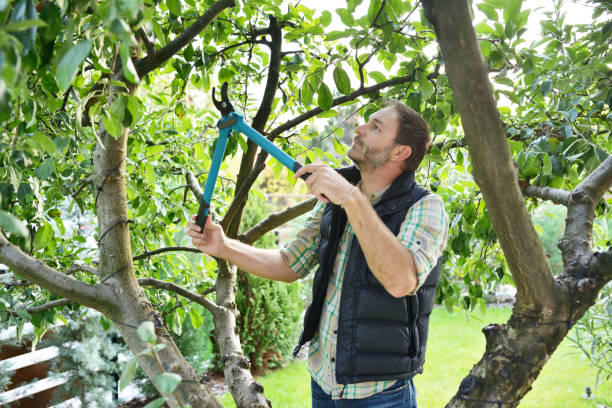
For thin tree branches, use hand shears. Trees with branches more than 11/2 inches in diameter will need loping shears or a pruning saw. For tree branches with more than 1-inch thickness in diameter and that are beyond your reach, use pole pruners.

Always be safe when pruning trees. Use safety goggles, gloves, and proper clothing and footwear.

7. Proper Pruning Cut

The four types of pruning cuts are pinching, thinning, heading, and shearing. Pinching, however, isn’t usually applicable to trees.

To cut off a branch, first, make a shallow underside cut four to five inches from the trunk. Then, cut the brunch two to three inches away from your first cut. This ensures that the branch falls without damaging the tree’s bark.

Lastly, make the final cut just outside of the area where the branch and trunk meet.

Tree Pruning: Hiring a Professional

Tree pruning isn’t for everyone. Don’t let the DIY culture get the best of you if you aren’t comfortable pruning your own trees.

Instead, call a professional. Call a company that will prune your trees and remove the branches. Hire someone who is experienced, reputable, and has the necessary business licenses.

The company should also have insurance and any other permits required. Find out more about a company by reading online reviews. Get multiple quotes and then select the company that best meets your needs and personality preferences.

Want to learn how to maintain your garden? Check out our blog post to learn more so your home’s curb appeal is on point.

Original post here https://ift.tt/3knjUWA.

from AAA Tree Lopping Ipswich https://ift.tt/2UatpOl
via IFTTT