The Workshops Rail Museum

The Workshops Rail Museum: Experience Authentic Railway History

Experience authentic railway history and a wholly interactive cultural experience at the Workshops Rail Museum, Australia’s oldest railway workshops still in operation. Located in Ipswich, Queensland, this museum has been around for 150 years and is full of engaging hands-on exhibits, vibrant stories and massive industrial machinery.

Learn About Living History

At the Workshops Rail Museum in Ipswich, you can take a step back into living history with its interactive exhibits that bring to life the immense impact that railways have had on our society. Explore over 15 larger-than-life displays to discover how progress was made through mechanical engineering while learning more about our nation’s rich railway heritage. Hear from former railway workers as they share their stories and memories of working on the tracks. You can also see genuine restoration work being done on the Heritage Steam Train Fleet close up.  If nature is more your thing be sure you dont miss Nerima Gardens Ipswich for a truly unique experience.

A Uniquely Aussie Experience

As you wander through the Ipswich museum, you will meet some true Aussie characters who are there to share quirky facts about life in a workshop and show off some of the huge steam locomotives or massive industrial machinery located within its walls. Take part in multi-media encounters that allow visitors to explore both past and current rail technologies and get inspired by future ones. And don’t forget to check out Queensland’s largest model railway before you go!

Be Amazed By The Collection

You won’t want to miss out on taking a look at the diverse collection of objects housed within this museum – from historic carriages to massive engines – all of which tell a unique story about Australia’s railways. Whether your interest lies in Aboriginal culture or artworks depicting journeys across different eras, or if you simply love getting up close and personal with locomotives from centuries ago – The Workshops Rail Museum offers something for everyone!

Educational Opportunities Galore

The Workshops Rail Museum provides educational opportunities through various programs designed for all ages; including guided tours, trails, workshops and even virtual activities. These experiences aim to explore different aspects of railway history as well as providing insight into technological developments seen throughout its long existence. Additionally, there are plenty of resources available online so that even when not at the museum itself visitors can access information related to their historical studies.

So if you’re looking for a truly immersive experience into Australia’s historic railway workspaces then make sure The Workshops Rail Museum is top on your list! With an abundance of interactive activities accompanied by lively characters willing to spin a yarn or two – it’s definitely one trip down memory lane worth taking!


from AAA Tree Lopping Ipswich https://ift.tt/rFLilUH
via IFTTT

Ipswich Art Gallery

Take a Trip to Ipswich Art Gallery – Explore Unique Exhibitions, Events and Activities

The Ipswich Art Gallery is an exciting place to explore, offering visitors a vibrant program of changing exhibitions, heritage displays and special events. Located in the heart of Ipswich, Queensland, the gallery showcases contemporary art from Australia and around the world. Not only does it offer visitors a unique opportunity to enjoy works of art by established and emerging artists, but there are also family activities as well as performances and workshops. Whether you’re looking for something fun to do on the weekend or just want to take in some fascinating pieces of art, the Ipswich Art Gallery has something for everyone.

A Look at the Changing Exhibitions

The Ipswich Art Gallery is renowned for its ever-changing exhibitions that provide an alluring way to experience art. Each exhibition brings new and imaginative works of art with an emphasis on regional and international contemporary art practice. Some exhibits have featured paintings, sculptures, photography, video installations and more. Themed shows often revolve around particular mediums or topics such as history or nature. Visitors can always find something to admire among these diverse exhibitions that tantalize the senses with their beauty and creativity.

Family Fun at the Gallery

The gallery also offers activities designed specifically for families so that everyone can enjoy themselves. On certain days throughout the year there are special events where families can participate in creative activities such as making collages or exploring hands-on science experiments related to artworks on display in the galleries. Kids will love getting involved with interactive projects that promote problem solving skills while they explore their surroundings. Games like spinning discs and supersized Spirographs bring out each kid’s inner artist so they can create one-of-a-kind drawings with the Drawing Machines!

Performances & Workshops

In addition to its exhibitions and family activities, visitors can take part in complementary performances and workshops hosted at the gallery throughout different times of year. These include musical acts from local bands as well as classes where participants learn about different techniques used by artists around the world such as drawing skillshops or printmaking classes led by experienced instructors from within the community who share their passion for creating beautiful works of art with others.  The Workshops Rail Museum in Ipswich is another wonderful place to check out on you next visit to the area.

Visiting Ipswich Art Gallery

The Ipswich Art Gallery is open Tuesday through Sunday from 10am until 5pm with extended hours during school holidays so you’ll never miss out on any of its exciting offerings! Admission is free so it’s easy to make frequent visits since there’s always something new available during every visit – whether it’s a striking piece of artwork or an engaging activity perfect for kids – so check out what’s happening today at this one-of-a-kind gallery located right in your own backyard!


from AAA Tree Lopping Ipswich https://ift.tt/SdpkVUb
via IFTTT

Ipswich Nature Centre

Introduction to Ipswich Nature Centre

The Ipswich QLD Nature Centre is a great place to explore and learn about Australia’s wildlife and flora. Located in the heart of Queens Park, the centre provides visitors with an opportunity to experience the natural beauty of Ipswich amidst lush landscapes and recreated bushland exhibits. With plenty of activities and events to enjoy, this piece will discuss what you can do at the Ipswich Nature Centre.

Explore the Reconstructed Bushland Exhibits

Spend some time wandering through the reconstructed bushland exhibits at the Ipswich Nature Centre. Learn more about local flora communities as you marvel at their beauty in a peaceful and relaxed setting. You’ll discover how unique species interact within their environment, such as how native trees, shrubs and grasses provide food sources for other animals and insects. In addition, you may also come across some of Australia’s iconic wildlife like koalas or kangaroos throughout your journey.

Admire the Lush Landscaped Gardens

Aside from exploring the reconstructed bushland exhibits, be sure to take a stroll through the scenic landscaped gardens located at Ipswich Nature Centre. Here you’ll find both Australian natives such as bottlebrushes, eucalyptus trees and grevilleas alongside exotic plants from all over the world including bougainvillea vines, magnolias and palms. Many of these flowers are used for educational displays so that visitors can gain insight into how different varieties thrive in different contexts. Plus, there are also herb gardens available which showcase how herbs are used for medicinal purposes within traditional Aboriginal culture.

Experience Interactive Activities & Events

Bushwalking tours, bird watching sessions; interactive workshops – whatever your interest may be, there is something for everyone at Ipswich Nature Centre! Enjoy interactive activities to learn more about local wildlife while engaging with knowledgeable staff members who can answer any questions along the way. Additionally there are evening events held throughout the year where visitors can soak up nature during twilight hours or even attend night walks during full moon periods to observe nocturnal creatures going about their nightly routines.

Discover Educational Resources & Programs

The centre also offers educational resources for those looking to delve deeper into nature-based topics whether it be through books or video material. For schools or groups wanting an in-depth learning experience there are tailored programs available covering topics like animal behaviour or local Indigenous history which have been designed by experts in their respective fields..

To wrap it up…

At Ipswich Nature Centre families, residents and visitors can rediscover nature on their own terms – exploring reconstructed bushland exhibits; admiring lush landscaped gardens; participating in interactive activities and events; or delving deeper into learning resources available onsite! With its vibrant atmosphere, knowledgeable staff members and spectacular views this is a must-visit destination when visiting Ipswich!  While your in the area go and visit Ipswich Art Gallery for some further knowledge about the history of Ipswich QLD.


from AAA Tree Lopping Ipswich https://ift.tt/qOpc6nQ
via IFTTT

Tree Care Tips For Deep Root Fertilizer

There can be a lot of debate around what is the best way to take care of trees, but when it comes to deep root fertilizer, there is no doubt that this is an important part of keeping your trees healthy. By using a deep root fertilizer, you can ensure that your tree gets the nutrients it needs to grow and thrive. In this blog post, we will discuss some tips for using deep root fertilizer effectively. We will also provide a few recommendations for products that you can use. So, if you are interested in learning more about deep root fertilization, keep reading!

What is Deep Root Fertilization?

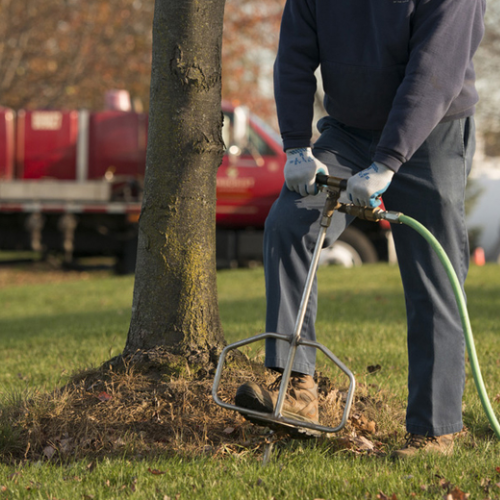
Deep root fertilization is a process of applying fertilizer to the roots of plants. This is done using a garden hose with a special nozzle that attaches to the end of the hose. The fertilizer is then injected into the soil around the roots of the plant.

The advantage of deep root fertilization is that it allows the plant to get the nutrients it needs directly to the roots, where they can be used most effectively. Deep root fertilization can also help to aerate compacted soils and improve drainage. As a result, it can be an important tool for maintaining healthy plants and gardens.

How Does Deep Root Fertilization Work?

Deep root fertilization is a process by which fertilizer is injected deep into the root zone of a plant. The roots of most plants are located in the top 12 inches of soil, so the fertilizer must be injected at least 12 inches Deep Root Fertilizerbelow the surface. Deep root fertilization can be performed with a hand-held syringe or with a motorized injection system. The injection system consists of a long, hollow tube that is inserted into the soil. The fertilizer is then injected through the tube and into the root zone.

Deep root fertilization is an effective way to provide nutrients to plants that are not getting enough from the soil. It is also helpful for preventing problems such as nutrient deficiencies and poor drainage. Deep root fertilization can be performed on most types of plants, including trees, shrubs, and annuals. It is important to consult with a nursery or garden center before beginning any Deep Root Fertilization work to ensure that the process is performed correctly.

What Are the Different Methods of Deep Root Fertilization?

Deep root fertilization is a process of applying fertilizer to the roots of a plant in order to promote growth.

There are several different methods of deep root fertilization, including soil injections, foliar feeding, and trunk injections.

  • Soil injections are typically made with a hand-held probe or through the use of an automated machine. This method is considered to be the most effective way to deliver nutrients directly to the roots.
  • Foliar feeding involves applying fertilizer to the leaves of a plant in order to encourage absorption by the roots.
  • Trunk injections are made by injecting fertilizer directly into the trunk of a tree or shrub. This method is often used on larger plants that are difficult to reach with a hand-held probe.

Deep root fertilization can provide a number of benefits to plants, including increased growth, improved health, and increased resistance to stressors such as drought and pests.

Which Method is Right for My Tree?

Trees are an important part of the landscape and provide numerous benefits, including shade, windbreaks, and improved air quality. However, trees can also pose a safety hazard if they are not properly maintained. Over time, trees can become overgrown or unstable, making them susceptible to strong winds or heavy rains. When this happens, it is important to take action to ensure the safety of your property and loved ones. But with so many tree-care methods available, it can be difficult to know which one is right for your tree. Should you hire a professional arborist? Or is it better to do the work yourself?

There is no easy answer when it comes to tree care. The best method will depend on the type of tree, the extent of the damage, and your own comfort level. If you have a small tree that only needs occasional pruning, you may be able to handle the job yourself. However, if you have a large tree that is heavily damaged or unstable, it is best to hire a professional arborist. Arborists have the training and experience needed to safely remove problem branches and stabilize the tree. They can also provide advice on how to care for your tree in the future. Regardless of which method you choose, the most important thing is to take action before it’s too late.

How Often Should I Deep Root Fertilize My Tree?

How often you need to fertilize your trees depends on a few factors, including the type of tree, the age of the tree, and the health of the tree. For most trees, deep root fertilization is best done every two to three years. However, younger trees may need to be fertilized more frequently, while older trees may only need to be fertilized once every five years or so. If your tree is struggling to thrive, you may need to increase the frequency of fertilization. Conversely, if your tree is growing well, you may be able to reduce the frequency. Ultimately, it’s important to base your decision on the specific needs of your tree.

Are There Any Risks Associated with Deep Root Fertilization?

Many gardening and lawn care enthusiasts perform deep root fertilization on their trees and shrubs to encourage new growth. While this practice can have benefits, there are also some risks associated with it. The biggest risk is that the fertilizer can burn the roots of the plants if it is applied too heavily. This can damage the plants and make them more susceptible to disease. In addition, deep root fertilization can also disturb the natural balance of the soil, which can lead to problems such as nutrient depletion or leaching. As a result, it is important to be cautious when performing this type of fertilizer application and to follow the directions carefully.

If you have decided to use deep root fertilization on your trees there are some risks that you need to be aware of.

  • First, if the fertilizer is not properly applied it can burn the roots of the trees.
  • Second, deep root fertilization can also disturb the natural root system of the trees and cause damage.
  • Finally, deep root fertilization is an expensive process and if not done correctly can actually decrease the health of your trees.

Therefore, it is important to consult with an arborist or tree service before starting any deep root fertilization program.

Conclusion

Now that you know how to fertilize your tree with a deep root feed, it’s time to get started! Be sure to comment below and let us know how the process goes. Remember, as always, if you have any questions don’t hesitate to reach out to our team of experts. Thanks for reading and happy gardening!

References:

DOES DEEP ROOT FERTILIZATION REALLY WORK?

How to Deep Root Fertilize Trees as a Part of Tree Care?

Deep Root Fertilization Builds Healthy Trees

from AAA Tree Lopping Ipswich https://ift.tt/OjNaRb5
via IFTTT

Homeowner Options When Tree Roots Become a Problem

In many cases, tree roots grow into and damage sewer lines. When this happens, the homeowner is left with a few options: they can try to fix the line themselves, call a plumber, or hire a professional to remove the tree. Each option has its own set of pros and cons, so it’s important to weigh all of your options before making a decision. Trying to fix the line yourself can be risky and might not work, while calling a plumber can be costly. Hiring a professional to remove the tree is often the most expensive option, but it also offers the best results. So, which option is right for you? Keep reading to find out!

Understand Visible Roots

Trees are a vital part of the ecosystem. They help to clean the air, provide habitat for wildlife, and prevent soil erosion. However, trees can also cause problems for homeowners. One common issue is visible tree roots. Roots are necessary for a tree’s survival, but they can also damage sidewalks, driveways, and foundation walls. In some cases, tree roots can even cause failures in septic tanks and sewer lines.

Homeowners have a few options when it comes to dealing with visible tree roots.

  • One is to simply ignore them and hope that they don’t cause any damage.
  • Another is to have the tree removed. This is usually only necessary if the roots are causing serious harm to the property.
  • Finally, homeowners can choose to have the roots trimmed back or excavated. This can be costly, but it may be the best option for preventing damage to the home.

Identify Any Concern

Tree Roots Become a ProblemOne of the most important things a homeowner can do to ensure the health of their trees is to identify any concerns with the roots as soon as possible. While tree roots are essential for anchoring the tree and providing nutrients, they can also cause problems if they become damaged or overgrown. One telltale sign of a root problem is a tree that is leaning. This can be caused by a number of factors, including damage to the roots, soil erosion, or an imbalance in the root system.

If you notice your tree leaning, it’s important to have a certified arborist assess the situation and determine the best course of action. In some cases, the tree may need to be removed; in others, support structures can be put in place to stabilize the tree. No matter what, it’s important to act quickly when you identify a root problem, as this can help prevent further damage to your property.

Avoid Costly Mistakes

Homeowners have a few options when it comes to tree roots and avoiding costly mistakes.

  • One option is to have the tree removed. This can be done by a tree service company or the homeowner can do it themselves. If the tree is small enough, the roots can be dug up and removed with a shovel. The stump can then be ground down and the area filled in with soil.
  • Another option is to leave the tree in place and cut the roots that are causing problems. This can be done with a root saw or an electric root cutter. The roots can also be chemically treated with a root killer. This option will kill the roots and prevent them from growing back.
  • The third option is to install a root barrier around the tree. This will block the roots from growing into problem areas. Root barriers can be made of plastic, metal, or concrete. They can be installed by a landscaper or homeowners can do it themselves.

Which option is best depends on the situation and the preferences of the homeowner. tree removal companies, most often, have experience dealing with different types of trees and their removal. They will also have the proper equipment for safely removing a tree. If the homeowner decides to remove the tree themselves, they need to be aware of power lines, buildings, and other objects that could be damaged during the removal process. Homeowners should also have a plan for disposing of the tree once it has been removed.

Protect Other Features

Many homeowners are unaware of the damage that tree roots can cause to their property. Left unchecked, tree roots can damage walkways, driveways, and even the foundation of your home. Thankfully, there are a few things you can do to protect your property from tree roots.

  • First, you can regularly inspect the roots of trees on your property and trim any that are growing too close to walkways or other features.
  • You can also install root barriers made from concrete or metal around vulnerable areas.
  • Finally, make sure to keep an eye on the overall health of your trees. Healthy trees are less likely to have problems with their roots, so consider investing in a professional tree care service.

By taking these steps, you can help ensure that your property is safe from tree root damage.

If you have trees on your property, it’s important to take measures to protect their roots from damage. Otherwise, the roots can become damaged and die, causing the tree to become unstable and potentially fall over.

There are several things you can do to protect your tree roots:

  • *Mulch: Spread a layer of mulch around the base of the tree. This will help to protect the roots from damage caused by lawn mowers or other heavy equipment.
  • *Fertilize: Fertilizing your trees will help them to grow strong roots that are less likely to be damaged.
  • *Water: Proper watering is essential for tree health. Make sure to water your trees regularly, especially during periods of drought.

By taking these steps, you can help to ensure that your tree roots are protected from damage.

Identify the Problem

A tree’s roots are its most important organs. They are responsible for anchoring the tree in the ground, absorbing water and minerals, and storing carbohydrates. While tree roots are essential for a tree’s health, they can also cause problems for homeowners. roots can damage sidewalks, driveways, and foundations; block sewer lines; and break underground pipes. If you have problems with tree roots on your property, there are a few options to consider.

  • First, try to Identify the Problem. Are the roots causing damage to your concrete walkway? Are they growing into your sewer line? Once you’ve identified the problem, you can take steps to mitigate it. For example, if the roots are damaging your sidewalk, you might consider installing root barriers. If the roots are growing into your sewer line, you might need to have the line replaced or repaired. Whatever the solution, it’s important to Identify the Problem before taking any action.
  • Second, consider uprooting the tree. This is often not an option for large trees, but it might be something to consider if the tree is small and its roots are causing extensive damage. If you decide to remove the tree, be sure to have it done by a qualified arborist so that the job is done safely and correctly.
  • Finally, try chemical root killers. These products contain herbicides that will kill tree roots without harming other plants or animals. They can be effective at killing small trees or shrubs, but they might not be strong enough to kill large trees. If you decide to use chemical root killers, be sure to follow the directions carefully and only use them as a last resort.

Repair the Yard

Repairing the yard when tree roots have caused damage can be a challenging task. Homeowners have several different options available to them, and the best option will vary depending on the extent of the damage. For small areas of damage, simply replanting grass seed or laying down sod may be sufficient. More extensive damage may require leveling and re-grading the affected area. In some cases, tree roots can also cause cracks in sidewalks or driveways.

These cracks can be repaired by filling them with concrete or asphalt patching material. If tree roots have damaged the foundation of a home, it is important to consult with a professional before taking any corrective action. Repairing foundation damage is a complex task that should only be attempted by experienced professionals.

Conclusion

If you have a tree on your property that is causing problems with the foundation or other underground infrastructure, there are a few things you can do.

  • You could remove the tree yourself, but this can be difficult and dangerous.
  • You could also hire a professional to take care of it for you- they will likely use heavy machinery to dig up the roots, which may damage your driveway or sidewalk in the process.
  • A third option is to call an arborist to assess the situation and give you advice about how to deal with the problem without removing the tree.

Whatever route you decide to go, make sure you weigh all of your options and talk to professionals before taking any action. Have you had to deal with a troublesome tree root? Let us know in the comments below!

References:

What to Do When Tree Roots Encroach on Your Home

Tree Root Systems: Learn About Problem Tree Roots

When Trees Attack: How Tree Roots Can Damage Your Foundation

from AAA Tree Lopping Ipswich https://ift.tt/SzXnB97
via IFTTT

Importance Of Removing Invasive Trees From Your Properties

When most people think of invasive plants, they imagine pesky weeds like dandelions and clovers taking over their lawns. However, what many people don’t realize is that there are also many types of invasive trees that can cause just as much damage. In this blog post, we will discuss the importance of removing invasive trees from your properties before they cause too much damage. We’ll also provide some tips on how to identify an invasive tree and what to do if you have one on your property.

What is an invasive tree and why are they harmful to the environment

You may be wondering why a few foreign trees growing on your land is such a big deal, but if left untended, invasive trees can badly disrupt the proper growth and management of wildlife on your property.

Invasive trees are non-native tree species that have been introduced to an area outside of their natural range. These trees are often highly adaptable and able to outcompete native tree species for resources. Invasive trees can pose a serious threat to the environment, as they can disrupt ecosystems and damage habitat.

In addition, these trees can also be a source of disease, as they can harbour pests and pathogens that can spread to other plants. Invasive trees are a major problem in many parts of the world, and it is important to take steps to prevent their spread. One way to do this is to only plant tree species that are native to the area. By doing this, you can help to protect the environment from the harmful effects of invasive trees.

Removing Invasive Trees From Your Properties

Why Should Invasive Trees Be Removed From My Land?

Invasive tree species are those that are not native to an area and which have a tendency to spread rapidly, often out competing native plants. While they may seem like harmless additions to your land at first, these trees can cause serious problems for the environment and for your property.

Invasive trees can alter ecosystems by crowding out native plants, changing soil composition, and altering water flow patterns. They can also be detrimental to your property value by making your land less attractive and lowering the desirability of your neighbourhood. In some cases, invasive trees may even pose a safety hazard. If you have any invasive trees on your land, it is important to remove them before they cause serious damage.

How can you identify an invasive tree on your property

Many homeowners are unaware that their property may be home to an invasive tree species. Invasive trees are typically fast-growing and aggressive, and they can quickly take over an area, crowding out native trees and plants. If left unchecked, they can cause serious damage to the environment.

So how can you identify an invasive tree on your property? Look for trees with small, dark leaves that are arranged in clusters. These trees often have shallow root systems, which can make them more susceptible to toppling in high winds. They may also produce fruit or seeds that are not native to the area. If you suspect that you have an invasive tree on your property, it’s important to contact a certified arborist for further assessment.

There are many different species of trees that have been identified as being invasive. Some of the most common include the following:

  • Norway maple (Acer platanoides)
  • Tree of heaven (Ailanthus altissima)
  • Autumn olive (Elaeagnus umbellata)
  • Mimosa (Albizia julibrissin)
  • Eucalyptus (Eucalyptus spp.)

These are just a few of the many invasive tree species that are found around the world. If you are unsure whether or not a tree on your property is invasive, you can contact your local forestry office or Extension service for assistance.

What are some methods for removing an invasive tree from your property

There are a number of ways to remove an invasive tree from your property.

  • One method is to cut down the tree and remove the roots. This can be done with a tree feller or by using a chainsaw.
  • Another method is to use a stump grinder to grind down the stump and roots. This method is typically used for larger trees.
  • Finally, you may also use herbicides to kill the tree. However, this method should only be used as a last resort, as it can harm other plants and animals in the area.

Whichever method you choose, it is important to make sure that the tree is completely removed so that it does not regrow.

What are the benefits of removing an invasive tree from your property

Many people are not aware of the many benefits that come from removing an invasive tree from their property.

Some of these benefits include:

  • Improved aestheticsInvasive trees can wreak havoc on an ecosystem. They can crowd out native plants, disturbing the natural balance. They can also provide a home for destructive insects and diseases. As a result, many communities have embarked on efforts to remove invasive trees. In addition to improved ecological health, these removal efforts often lead to improved aesthetics. Invasive trees often have dull or damaged leaves, and they may not produce the vibrant flowers or fruits that characterize native species. By removing them, we can help to restore the natural beauty of our landscapes.
  • Increased property valueInvasive trees can have a significant impact on the value of your property. Not only do they take up space that could be used for other purposes, but they can also damage sidewalks, driveways, and foundation. In addition, invasive trees are often difficult to remove, and the costs of doing so can be significant. As a result, many potential homebuyers will avoid properties that have invasive trees on them. If you are planning to sell your property in the near future, it is worth taking the time to remove any invasive trees from your property. Doing so could significantly increase the value of your home.
  • Decreased risk of damage to your home.Many people are not aware of the dangers that invasive trees pose to their homes. Invasive trees are those that are not native to the area in which they are growing. They can spread quickly, crowding out native plants and animals. Invasive trees often have shallow root systems that can damage foundations, sidewalks, and driveways. They can also drop large limbs, causing serious damage to property and posing a threat to public safety. In some cases, removing invasive trees can actually decrease the risk of damage to your home. By removing these trees before they have a chance to establish themselves, you can help prevent them from causing problems in the future.

Take the time to remove any invasive trees on your property and enjoy the many benefits that come along with it!

How Should I Go About Having Invasive Tree Species Removed?

One of the best ways to prevent the spread of invasive tree species is to remove them from your property. If you have an invasive tree on your property, you should contact a professional tree removal service to have it removed. This is the best way to ensure that the tree is removed safely and without damaging your property.

The removal process will vary depending on the size and type of tree, but generally, the tree will be cut down and the roots will be removed. Once the tree has been removed, you should take steps to prevent new trees from taking root on your property. You may need to treat the area with herbicide or install a physical barrier such as a fence. By taking these steps, you can help to protect your property from the spread of invasive tree species.
Conclusion

The next time you are out in nature, take a look at the trees around you. Are they native species or invasive? If they are invasive, it is important to remove them from your property for the health of both the environment and your home. Here at [business name], we specialize in removing these harmful trees so that you can enjoy a healthy landscape and protect your investment. Leave it to us – contact us today for a free consultation!

References:

Why Tree Removal Is Important for Nature Preservation

How You Can Get Rid Of Invasive Species On Your Property

Tree Removal Service – Addressing Invasive Trees

from AAA Tree Lopping Ipswich https://ift.tt/p6hDHYd
via IFTTT

What Is The Pruning Rule?

Pruning is one of the most important parts of growing indoor plants. It’s also one of the most challenging parts for a lot of people. Pruning your houseplant can seem scary and complicated, but it doesn’t have to be. In fact, pruning is actually quite simple once you know what you’re doing! The trick is knowing which branch or shoot to cut and where. Thankfully, there is a rule that makes it easy to identify the correct branch and location with just a glance: the pruning rule.
When used correctly, this piece of advice can make pruning much easier, so keep reading to learn more about it!

The 1/3 Rule for Pruning Shrubs

Shrub being pruned with green loppers and 1/3 rule
 

When it comes to pruning shrubs and small trees, home landscapers tend to come in one of two types: those that are excessively timid about pruning out of fear of doing damage, and those that aggressively over-prune in an effort to achieve that perfectly shaped shrub or hedge. Professional gardeners and experienced DIY landscapers learn, though, that the nearly perfect pruning practice involves trimming about 1/3 of the good wood during any major pruning session. Prune more than that and you run the risk of damaging the plant or at least stunting its growth in a major way. Prune too little, on the other hand, and you don’t really accomplish much, failing to improve the shrub in any significant way.


Why the 1/3 Rule?

For established shrubs and small trees, moderate pruning has the effect of stimulating new, vital growth. Plants live in a balance between the above-ground and below-ground parts. When the plant loses a notable number of stems, especially in the top of the plant, it attempts to restore balance by pushing forth new growth to keep the top greenery in balance with the water and nutrients being pushed into it by the root system.

This regrowth is a great thing in moderation: it’s how plants heal, and how pruning can stimulate growth from dormant buds. But when a plant loses too much of its leafy growth, it goes into a kind of shock or panic mode. At this point, it may try to also regrow from suckers or water sprouts—a tendency that can leave the plant ragged looking. Once suckering begins, it has a tendency to continue for quite some time.

Too little pruning, on the other hand, does little to stimulate any new growth at all. While it may help provide some minor shaping to the plant, timid pruning won’t really stimulate new stem growth the way a decent 1/3 pruning does.


Established Shrubs and Small Trees Only

The 1/3 rule applies only to fully established shrubs and small trees. An established plant is one that has fully overcome its transplant shock. Newly planted shrubs and trees should be allowed a full season or two to get their root systems established before major pruning. With larger shrubs that have been transplanted, this shock may last several years. Any shrub that requires supplemental watering during non-drought periods is still in its period of transplant shock and should not yet be subjected to major pruning. Prune too much or too early, and you may stunt the tree just at the point where it needs lots of top greenery to support the development of its new root system.

The 1/3 rule can be applied to most shrubs and small ornamental trees, but for larger shade trees, pruning should be limited to no more than 1/4 of the total branches. Shade trees, too, will be stimulated into new growth by assertive pruning, but they do not require the same vigorous pruning that multi-stemmed shrubs do. Pruning trees regularly is still important, however, since it makes them less susceptible to wind damage.


When Hard Pruning Is Necessary

Periodic hard pruning is appropriate for any healthy, established shrub, but it may be overdue if either or both of these conditions apply:

  • Your shrub is a vigorous-growing deciduous species. Many old-fashioned garden shrubs fit this category, such as forsythia, mock orange, beauty bush, and the popular viburnums. Anything commonly used as a hedge works too, such as barberry, privet, and Japanese holly. Don’t worry if your shrub is not on this list—you can judge for yourself. Any plant that you’ve had a few years and is starting to get messy or out of control is ready for a hard pruning.
  • Your shrub is multi-stemmed and produces new stems or canes each year. Lilacs, rugosa roses, and other plants that commonly sucker are naturally prepared for hard pruning. They can easily replace wood from their strong root systems.


Basic Pruning Technique

For an established shrub or small tree, one assertive pruning session each growing season should be the maximum. At other times, pruning should be limited to the removal of dead or diseased branches, or simple shaping pruning to keep hedges in their proper shape.

For most shrubs, late winter or early spring is the best time to prune. The plants are still in full dormancy at this time but are just preparing to produce new growth. If your shrub is a spring-blooming variety, though, make sure to leave behind enough flower buds on the stems for a spring show. Some homeowners are very reluctant to aggressively prune a shrub or tree, but rest assured that an established shrub will quickly thank you for the effort with lots of dense new growth.

With a vigorous, established shrub, begin by removing any dead, damaged, or diseased wood. Next, remove any crossing branches where the bark is rubbing. Then, (and most difficult for some homeowners) select a group of strong, well-placed stems to save, then sacrifice a good number of the secondary stems. This aggressive pruning will soon have the impact of jump-starting new growth on the remaining branches, and within a matter of a few weeks, you will see a dramatic improvement in the shrub. If you wish, this heavy pruning can be concluded with some light pruning at the tips of remaining stems in order to shape the shrub, such as when it is part of a hedge.

Remember to be bold when practicing the 1/3 rule. It’s important to remove enough wood to achieve your goals. For new gardeners, the tendency is to prune too little and fall short of the ideal.


When 1/3 Is Not Enough

When a shrub has been neglected for many years, it may get so overgrown and out of control that normal pruning isn’t enough. For these shrubs, some experts recommend a very severe form of pruning, known as rejuvenation pruning. This involves cutting the entire shrub off at a level just six to 12 inches above the ground. The shrub will be little more than an unattractive clump of stems for a short while, but it quickly restores itself to a new, improved shape. Not all shrubs respond well to rejuvenation pruning, but those that do are exactly the shrubs that tend to get badly out of control:

  • Dogwood
  • Spirea
  • Potentilla
  • Honeysuckle
  • Hydrangea
  • Lilac
  • Forsythia
  • Weigela


FAQ
  • What is the 1/3 rule for pruning shrubs and small trees?

    The one-third rule when it comes to pruning fully established shrubs and small trees is that you can prune up to 1/3 of the plant’s wood and growth at a time.

  • When is the best time to prune shrubs and trees?

    Late winter or early spring are some of the best times for pruning shrubs and small trees. During this time, most plants are still dormant.

  • Why do you prune shrubs or trees?

    Pruning shrubs or trees helps to stimulate and encourage new growth and gets rid of branches that are either dead or dying. It also helps shape plants and revitalizes them, keeping them healthy.

  • What happens if you prune to much of a shrub or tree?

    Over pruning a shrub or tree can actually stunt its growth or damage it. New leaves and branches can get weak, and the plant can also become prey to insects and other bugs.

    Source link.

from AAA Tree Lopping Ipswich https://ift.tt/tBk9pry
via IFTTT

What Is Crowning A Tree?

A tree that is growing in the ground and not in a pot will have a natural upward growth. However, some trees may be grown in such a way that they grow sideways as well as downward with their branches spreading out horizontally. Crowning a tree is essentially reducing its height and encouraging it to grow upwards by topping it. A tree can also achieve this look naturally when an animal chews off its top. This makes it appear like it has been “crowned” by nature. Hemlock trees are one of the most common trees used for crowning because of their tendency to self-prune, falling over under their own weight, making them ideal for topping with little maintenance needed afterward.

Tree Crowning: Is It Good Idea Or A Mistake?

Tree crowning

One of the things that drew you to your home was the beautiful trees. Perhaps you’ve never really had much of a green thumb, so you left the trees to their own devices. So far, that hasn’t been a problem.

Recently, though, you’ve noticed that those gorgeous trees have gotten a bit out of control. Where once they were uniform and well-manicured, now there are random branches jutting out here and there, giving your trees a ragged, lop-sided appearance.

You’ve considered dragging yourself up on your ladder to cut the offending branches. You’ve heard there is a technique called “tree crowning”, but you’re not really sure exactly how to do it—or even whether it would be a good thing to do.

The most important thing we can convey is that tree crowning is very rarely recommended by reputable lawn care experts. Although it may achieve your aesthetic goals, tree crowning will often damage your trees. In fact, many companies require you to sign a waiver if you request this type of tree trimming be performed. Most tree care experts will recommend alternatives to tree crowning in a majority of cases to handle overgrowth or a dense canopy.

Below, we’ll answer some of the most common questions people ask about crown reduction, topping trees and tree thinning and let you know how you should handle these issues.
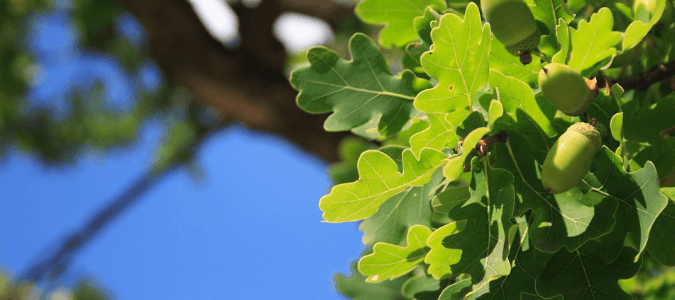
Importance of pruning

The Importance Of Pruning (And Timing)

If you’re nervous about cutting into your trees, we get it. For someone who’s never done it before, tree maintenance can seem confusing and daunting. What is pruning, and is it the same as trimming? Can you hurt your tree? What if you mess up and it looks worse? And, to be fair, these scenarios can happen—and often do.

How can you reduce your chances of causing a problem? By learning all you can about tree maintenance.

Here’s what you need to know above all else: All trees need to be pruned from time to time. In fact, the more regularly you trim a tree, the better off your they will be. Moreover, trimming and pruning mean the same thing.

Before we go into any more detail about when and how to do so, understand that trimming your trees “regularly” does not mean all the time. While very light pruning can be done pretty much whenever, there are specific times of the year that are better for pruning, as well as times to avoid.

Depending on when you prune, your tree will respond differently, so it is important to think about your goals and be strategic about this necessary component of tree maintenance.

WINTER PRUNING

Most people prune during the winter months. During this time of year, most trees are essentially dormant, so if you trim and cut off branches at this point in the year, the most likely result will be a burst of new growth in the spring.

SUMMER PRUNING

Cutting in the summer, right after the main growing season has ended, gives you the ability to guide the growth of your trees a bit more. How so? There are a couple of reasons for this.

The first is that, unlike in the winter, summer cuts reduce the amount of food your tree gets by removing their food production source: leaves. Less food slows growth and forces your tree to focus on the most important areas.

In addition, summer pruning enhances your ability to shape your tree because it is much easier to locate problem branches and areas in the summer when the tree is in full bloom. You can more easily target those branches that are jutting out oddly or bowing under the weight of their leaves and remove them.

One thing you should not do: prune in the fall. Why? Because doing so puts your trees more at risk. Not only do cuts heal more slowly, increasing the chance that your trees could become infested or infected, this is also the time of year when decaying fungi spread their spores.

Why You Should Prune And Trim Your Trees

So, what are the specific benefits of pruning and trimming your trees regularly?

TO REMOVE PROBLEM BRANCHES

As trees grow, some branches die. This is normal and natural, but if you leave them on the tree, it can also be dangerous, and in extreme cases, even deadly. Dead branches are prone to falling. If a strong storm passes through, they can get tossed around by the wind.

Engaging in regular pruning and trimming will give you the opportunity to notice and take care of any problem branches on your tree before they create a serious issue. If left unchecked, these limbs can damage your property and put your friends, neighbors and family in danger.

TO PREVENT THE SPREAD OF DISEASE 

Trees get diseases just like people. Also, just like with people, the goal is often to stop an infection from spreading.

Most of the time, doctors don’t lop off someone’s arm—or toe—to stop a disease from entering the rest of the body. With trees, however, that can actually be a useful practice. If a small section of a branch or tree is infected, often the best way to treat the problem is to simply remove the infected part.

TO ENCOURAGE GROWTH 

As long as you keep it to a minimum, cutting into a tree sends a signal to stimulate growth, so pruning and trimming can help your trees grow faster.

TO IMPROVE FRUIT PRODUCTION

When you prune a fruit tree, more spurs can grow. Fruits are produced from spurs, so more spurs mean more fruits for the following year.

TO IMPROVE YOUR TREE’S BEAUTY (AND YOUR VIEW!) 

Most homeowners don’t pay much attention to their trees—that is, until they begin to look a bit ragged and out of shape. Proper pruning and trimming is the easiest way to remedy that situation. You can shape your trees to make sure they are as aesthetically pleasing as possible, which can improve the entire exterior of your home.
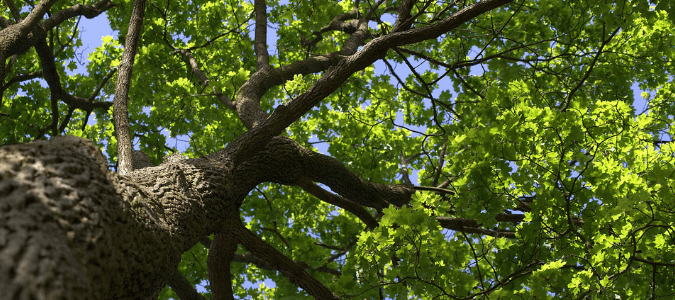
Benefits of topping trees

Benefits of Topping Trees: Are They A Myth?

One reason that many homeowners have become more reticent about trimming their trees in recent years is because of the well-deserved backlash against topping trees. Simply put, the traditional practice of topping, whereby tree branches are cut back to scrubs indiscriminately, is ugly and unhealthy for the trees themselves. This practice also lowers the plants’ overall value.

If at all possible, you should not do top your trees. If a tree service advocates the wholesale cutting back of branches, you should be asking a bunch of questions. That being said, there are a few isolated situations where a version of topping might not only be necessary, but beneficial.

AVOIDING POWER LINES

This is probably the most common reason given for extensively cutting back the top branches of trees—because otherwise, these towering giants would grow into power lines, putting you at serious risk for a fire or other electrical damage.

In many recent developments with underground wiring, this isn’t an issue anymore. However, if you live in an older neighborhood and your tree is at risk of becoming entangled with power lines, that is absolutely a valid reason to cut off the top of the tree.

That being said, there are so many potential problems that topping can bring that your best bet is to let an experienced professional handle it, so they can minimize any issues you might encounter while trying to do the right thing.

PREVENTING STORM DAMAGE

Sometimes, trees with unchecked branch growth may be more susceptible to damage if a particularly strong storm comes through with the power to use that leverage. Topping can make storm damage less likely—or at least minimize your risk.

FIXING A LEANING PROBLEM

Rarely, a tree might grow in such a way that makes it lean one way or another. Over time, this can become a huge problem, even leading to the death of the tree. Skillful topping can be used to alter the tree’s center of gravity and stop the leaning.

Outside of these specific situations, however, you should always work to find an alternative to topping your trees. Even if you are dealing with the issues mentioned above, an experienced tree expert can often suggest better ways to handle them.
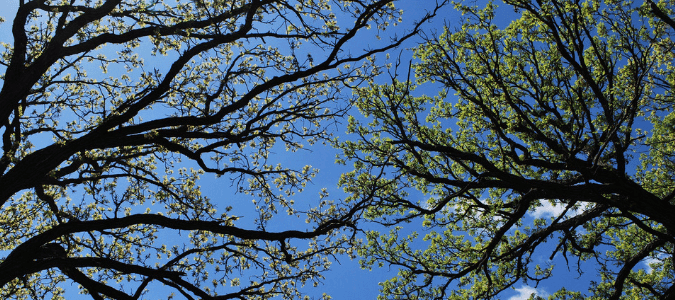
Crown reduction tree

Crown Reduction: Tree Trimming Tips

Another potentially damaging technique is a crown reduction. This approach involves extensively pruning all along the outer edge of a tree’s branch growth, essentially making the entire “crown” (the branches and leaves that extend out from the trunk) smaller.

Trimming a tree in this manner puts a lot of stress on the tree because the cuts are not made at a natural boundary, and it can increase the chances of disease and decay. While a crown reduction is considered a better alternative than topping, it is still not recommended in most situations, because there’s a better way: tree thinning.
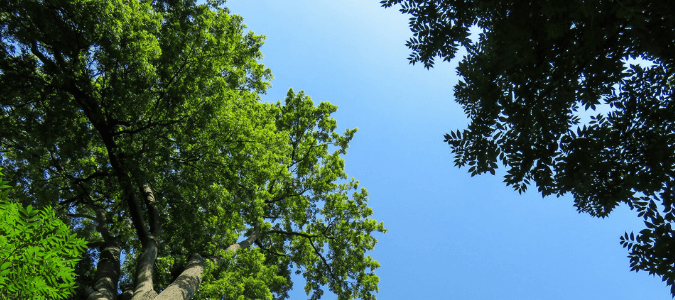
Tree thinning methods

Tree Thinning Methods

What is tree thinning? This tactic allows you to selectively remove specific branches from the crown of a tree to make it less dense. This trimming improves sunlight penetration, reduces stress on the tree and makes the tree more resilient during a storm.

Wondering how to trim a tree? Here are the typical steps most tree experts follow:

  • First, clean the canopy using a handsaw or a small chainsaw.
  • Avoid removing branches from the interior. Instead, cut off branches no bigger than 1-3” in diameter from the outside and middle portions of main branches.
  • Resist the urge to remove too much. Never cut more than 15-20 percent of live foliage at once. Often 5-10 percent is enough, especially on trees that are mature.
  • Try to remove branches that are competing with other branches in the canopy or that are close to nearby branches and growing parallel.

ABC Is Your Answer For Safe, Healthy Tree Maintenance

Ultimately, the best method for healthy, beautiful trees is to engage in periodic structural pruning. At ABC, our experienced professionals are well-versed in all the best techniques. Want to learn more about how we can help your trees reach their full potential?
Source link.

from AAA Tree Lopping Ipswich https://ift.tt/2o3sUk1
via IFTTT

Is It Better To Trim A Tree Or Cut It Down?

As any gardener knows, soil is essential for growing healthy plants. Not only does it provide nutrients and support for roots, but it also helps to regulate moisture levels and prevent weed growth. However, soil can also be quickly eroded by wind and water, damaging plant life and making it difficult for new seedlings to take root. One way to help prevent soil erosion is to maintain a healthy lawn. Grassroots help to hold the soil in place, and the dense network of blades helps to deflect wind and water. In addition, lawns help to slow down the flow of rainwater, giving the ground a chance to absorb the water before it runs off. As a result, a well-tended lawn can play an essential role in preventing soil erosion.

There is no one-size-fits-all answer to the question of whether it is better to trim a tree or cut it down. The best option will depend on the specific circumstances and the individual tree in question. For instance, if a tree is diseased or posing a safety hazard, it may be necessary to remove it entirely. On the other hand, regularly scheduled trimming can help maintain the health and shape of a tree, potentially extending its lifespan.

In some cases, trimming can also improve the aesthetics of a landscape. Pruning can encourage new growth and reduce excess foliage, giving a more balanced appearance to the tree’s canopy. However, excessive trimming can harm a tree and should be avoided. It is important to work with an experienced arborist who can properly assess and care for your trees.

When making decisions about trimming or removing trees, it is also important to consider any potential impact on wildlife that may rely on the tree for habitat or food sources. Ultimately, each situation will require careful consideration and professional advice in order to make the best decision for the health and wellbeing of the tree and its surroundings.

How often should trees be trimmed?

Pruning Trees - Three General RulesThere is no set answer to how often trees should be trimmed, as it ultimately depends on the species and specific needs of the tree. Some trees may only need trimming every few years, while others may require annual pruning or even multiple prunings throughout the year.
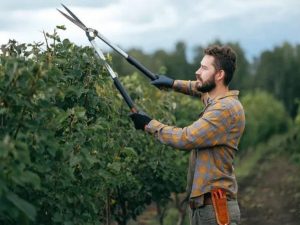
Factors to consider when determining how often to trim a tree include its growth rate, health, and location. Fast-growing trees may need more frequent trimming to keep them in shape and prevent branches from becoming weak or hazardous. Trees in poor health may also benefit from regular trimming to remove diseased or dead branches. Additionally, trees located near power lines or structures may need more frequent trimming for safety purposes.

It’s also important to note that there are different types of trimming techniques for different reasons – some involve removing certain branches to improve a tree’s overall structure and appearance, while others involve thinning out dense areas to increase sunlight and air circulation. A certified arborist can assess a tree’s needs and determine an appropriate trimming schedule.

In general, it’s best to err on the side of caution and trim your trees before they become overgrown or pose a potential hazard. Regularly scheduled trimmings can also promote healthy growth and prolong a tree’s lifespan.

Do tree roots stop growing when tree is trimmed?

This is a common question that we get here at the nursery. The answer is, unfortunately, it depends. Some trees, like maples, have what are called “suckering roots.” These are roots that grow from the main root system and come up above ground. When these roots are cut, they will often continue to grow. Other trees, like oaks, have what are called “taproots.” Taproots grow straight down into the ground and can be quite large. When these roots are cut, they will often die. So, if you are thinking about trimming your tree, be sure to do your research first to find out whether or not it has taproots or suckering roots.

It is a common misconception that trimming a tree will stop its roots from growing. In reality, trimming a tree does not have any direct effect on the growth of its roots. Tree roots continue to grow and spread in search of water and nutrients, regardless of how much the tree itself is trimmed. In fact, regularly trimming and pruning a tree can actually promote healthy root growth by allowing more sunlight and air to reach the roots.

However, it is important to note that excessive or improper pruning can damage or even kill tree roots. This can lead to weakened trees and potential hazards such as toppled branches or fallen trees. When trimming or pruning a tree, it is important to do so with care and according to proper techniques. Consulting a professional arborist may be helpful in ensuring the health and safety of both the tree and its roots.

What is the difference between tree trimming and pruning?

Tree trimming refers to the removal of dead or overgrown branches, as well as those that may potentially cause damage to property or power lines. This type of maintenance helps maintain the overall shape and health of the tree.

Pruning, on the other hand, is a more precise practice that involves selectively removing certain branches to encourage growth and enhance the tree’s structure and appearance. Pruning is often done for aesthetic purposes, but can also improve a tree’s health and fruit production.

It is important to differentiate between trimming and pruning because they require different techniques and equipment. Improper pruning can permanently damage a tree, so it is best left to trained professionals. Overall, both trimming and pruning play important roles in maintaining the health and appearance of trees. Regular maintenance can also potentially prevent larger issues in the future, such as damaged property or fallen branches.

Do trees grow back after trimming?

It depends on the type of tree and how it was trimmed. Certain types of trees, like conifers, will continue to grow new branches even after heavy pruning. However, if a tree is improperly or excessively trimmed, it can result in damage that may prevent new growth from occurring.

In general, properly trimming a tree can actually promote new growth and improve its overall health. Removing dead or diseased branches allows the tree to direct more energy towards healthy growth. However, it is important to research proper trimming techniques for the specific type of tree and consult with a professional arborist if necessary.

Overall, trees are resilient and have the ability to regrow after trimming as long as they are not severely damaged in the process. Proper trimming can even benefit a tree’s growth and health in the long run.

What happens if you over trim a tree?

Why Should You Hire A Professional For Tree Care

If a tree is over-trimmed, it can potentially cause damage or even death to the tree. When too much foliage is removed, the tree’s ability to produce food through photosynthesis is hindered, leading to weakened growth and health. In addition, over-trimming can create an imbalanced structure and make the tree more susceptible to breaking or falling during storms.

Another issue with over-trimming is the removal of protective branches. Trees naturally have branches that grow in a downward direction to shield the trunk from harsh weather conditions or animal activity. Without these branches, the exposed trunk can become vulnerable and subject to damage.

It’s important to note that not all trees respond well to trimming in general. Certain species, such as oak trees, should only be trimmed during their dormant season in order to avoid infection and decay. It’s best to consult a professional arborist before undertaking any trimming tasks on your trees.

The key takeaway here is to not go overboard with trimming your trees. Prune only what is necessary for safety or aesthetic purposes and always follow proper guidelines for each specific species of tree. A little bit of careful trimming can promote healthy growth for your trees, but over-trimming can have detrimental effects on their well-being.

How do you properly trim a tree?

How do you properly trim a tree? Any gardener or arborist will tell you that there are certain ways to go about it to avoid damaging the tree.

First, it is important to assess the condition of the tree and determine if trimming is necessary. If there are dead or diseased branches, they should be removed to promote the health and growth of the rest of the tree. Branches that are dead, diseased, or rub against each other should be removed.

Next, it is important to consider the natural shape and form of the tree while planning which branches to trim or remove. Aim for a balanced structure and avoid cutting too much at once. You should always cut branches so that they fall away from the trunk of the tree. This will prevent the bark from being ripped off and reduce the chances of the branch splitting.

Finally, you need to make sure that your cuts are clean and sharp. Using a dull saw can damage the bark and lead to an uneven cut. With these tips in mind, you can safely and effectively trim your tree.

When trimming, use sharp, clean tools and make sure to make smooth cuts at a slight angle just above a bud or branch collar. Avoid leaving stubs as these can lead to decay and attract pests. In addition, consider any surrounding obstacles such as power lines or buildings when trimming branches. Finally, regularly monitor and maintain the tree by removing any new dead or damaged branches as necessary.

from AAA Tree Lopping Ipswich https://ift.tt/baLGHqi
via IFTTT

What Is The Importance of Land Clearing?

Clearing land is important for many reasons. For starters, it can reduce pest infestations. Mosquitoes thrive in areas with dense vegetation because of the water and shelter that trees provide. Dead trees also attract termites and squirrels, which could pose problems if they nest in the area. Clearing away dead trees will also help prevent future nesting problems for these animals and others.

Land clearing is the process of removing trees, shrubs, and other vegetation from an area of land. It is often done in preparation for development or farming. While land clearing can have some negative environmental consequences, it can also be beneficial in certain circumstances. For example, land clearing can help to prevent soil erosion and reduce the risk of wildfires. In addition, it can make it easier to identify and remove invasive species. When done carefully and with consideration for the local ecosystem, land clearing can be an important tool for protecting the environment.

What are two methods of land clearing?

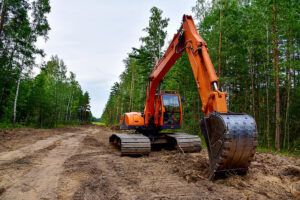
Land clearing is a necessary process that can be done by either a private individual or a company. It is usually done to prepare land for cultivation or property development. Land clearing involves the removal of unwanted materials and structures. Some types of land clearing have many environmental benefits. Trees, bushes, and other debris on the land can interfere with construction operations.

One method of land clearing involves the use of chemicals. These are commonly used to kill weeds and plants. These methods are effective, but come with several risks. For example, they can create huge holes that can be difficult to fill. They may also allow invasive species to establish. These plants are difficult to remove once they have established themselves.

Another method involves burning and cutting down trees. This process involves lighting a controlled fire and burning trees and other materials in a specific area. Afterwards, the stumps are removed with heavy machinery. This method is not suitable for every land clearing project. It can cause fires and pose other risks. A more environmentally-friendly option is cutting and grinding. This method involves cutting down trees to their stumps. Afterwards, they are ground into mulch or pulled out by bulldozers.

How much does it cost to clear an acre of forested Land?

The cost to clear an acre of foreboding land varies depending on a few factors. The size of the land, its location, and its current condition all affect how much it will cost. If the land is densely forested, clearing can be more expensive. In such cases, you should consider hiring a tree service. The cost of removing trees may be offset by the value of the cleared land.

If you plan on clearing a lightly-forested lot yourself, you can expect to pay between $1500 and $3,000 for an acre of forested land. However, if you’re planning on clearing heavily-forested land, the cost could rise to as high as $6,000 per acre. It’s important to note that these costs don’t include the cost of leveling and grading the land afterwards.

Clearing wooded land requires a lot of labor and heavy equipment. However, it is much cheaper to clear bushy land because you don’t need to remove the trees. Depending on the size of the project, you’ll need to hire a crew of a tree service. The cost will vary from about $500 per acre to $5,000 per acre, but remember that clearing wooded land requires clearing trees and stumps.

What are the factors affecting land clearing?

Land clearing can have a large impact on the environment and wildlife. It increases the amount of carbon dioxide in the atmosphere, which contributes to climate change. Leaving the forest in its natural state also prevents soil erosion, a significant contributor to pollution and a threat to flooding. Animals that inhabit the land often avoid land cleared for development as it damages their habitats.

The location of the land is a major factor that affects the cost of land clearing. Land in areas that are difficult to access tends to take longer to clear. By contrast, plots that are located near an easy road may take less time. The cost of land clearing is also affected by the disposal of debris, trees, and rocks.

Habitat loss is another important concern. Clearing land affects a variety of animals and plant species, from frogs to jaguars. As a result, these animals suffer, resulting in decreased populations.

What are the disadvantages of land clearing?

Land clearing is the process of removing trees, shrubs, and other vegetation from an area of land. It is often necessary in order to make way for new construction projects, or to prepare an area for farming or ranching. However, land clearing can also have a number of negative consequences. One of the most significant disadvantages is the loss of habitat for wildlife. Clearing land can destroy homes for many different types of animals, and can disrupt entire ecosystems.

Some of the disadvantages of land clearing include loss of habitat for indigenous plant and animal species, increased soil erosion, and disruption of the natural water cycle. Clearing land can also contribute to increased carbon emissions and climate change.

In removing vegetation, natural habitats are destroyed and animals may be forced to relocate or even become extinct. The destruction of these habitats can also negatively impact surrounding ecosystems and lead to a loss of biodiversity.

Clearing land can also result in increased soil erosion due to the removal of plants that help hold soil in place. This can lead to degraded soil quality and decreased agricultural productivity. In addition, clearing vegetation can disrupt the natural water cycle by reducing evapotranspiration and altering runoff patterns.

Clearing land often involves burning vegetation, which releases carbon dioxide and other greenhouse gases into the atmosphere and contributes to climate change. It can also lead to air pollution and health problems for nearby communities.

In sum, while clearing land may have some benefits such as creating space for agriculture or development, it should be carefully considered in light of its potential negative impacts on the environment and surrounding ecosystems.

What is the Difference Between Land Clearing and Deforestation?

Land clearing can affect wildlife, rivers, and coastal ecosystems. It can result in increased runoff of pollutants and erosion. This can contribute to toxic algae outbreaks. It can also fragment habitats, making populations more vulnerable to other threats. In addition, land clearing can contribute to global warming.

Deforestation occurs when humans cut down forested areas to make way for agriculture or grazing. According to the Union of Concerned Scientists (UCS), deforestation mainly occurs in tropical countries, and the four major crops responsible are beef, soy, palm oil, and wood products. The UCS estimates that more than 1.3 million square km of forest are lost each year because of deforestation.

Although the two forms of deforestation have different effects, the similarities between land clearing and deforestation are alarming. In fact, deforestation rates in some countries have decreased as a result of stricter legislation. Furthermore, landholders have continued to clear vegetation in cleared areas, increasing the risk of land degradation and biodiversity loss.

Forests are important habitats for all animals and plants. However, humans are destroying them at alarming rates. They are being cleared for farming and grazing, and to extract wood for fuel and manufacturing.

Does clearing land make it more valuable?

Clearing land can potentially make it more valuable, as it opens up the potential for development and use. However, there are also potential downsides to clearing land, including loss of natural habitats and resources, and potential negative impacts on the surrounding environment.

In some cases, clearing land can make it more desirable for buyers or developers looking for a blank canvas to build on. It can also increase access to the land and make it easier to utilize for agricultural or other purposes.

However, clearing land can also have negative consequences. The loss of natural habitat can lead to loss of biodiversity and harm to animal populations. Clearing forests can also have a negative impact on air quality and contribute to climate change. Cleared land is also often less resilient to natural disasters such as wildfires and floods.

There are also ethical considerations related to clearing land, specifically when it involves displacing Indigenous communities or demolishing historically or culturally significant sites.

Ultimately, the value of cleared land depends on the specific circumstances and priorities involved. Some may see cleared land as an opportunity for development and profit, while others may view it as a loss of valuable resources and harm to the environment.

from AAA Tree Lopping Ipswich https://ift.tt/Tsky78R
via IFTTT