Ways To Prune Trees And Promote Growth

Written by Admin and published on https://www.homoq.com/

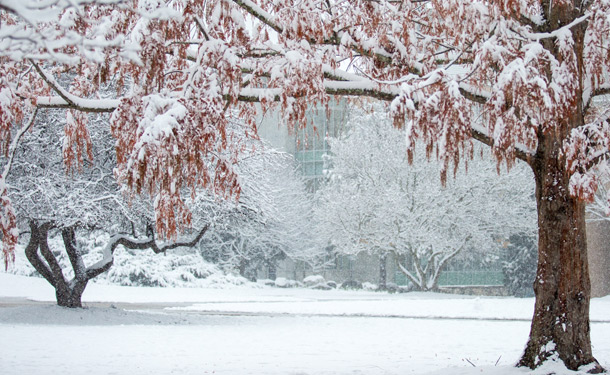
When temperatures warm in late winter and early spring, it’s a good time to take advantage of these conditions to plan tree pruning. This practice helps maintain the size of trees, allows better light penetration into their crowns, minimizes disease, promotes better bloom, increases safety by removing dead and broken branches and enhances their overall appearance.

Tips to Trimming and Pruning Small Trees for Better Growth

Tips to Trimming and Pruning Small Trees for Better Growth

Trees can provide a lot of benefits to your family and property. This can improve the overall look of your property and can increase its value over time. Trees are also a good source of shade, perfect for your family’s outdoor activities during warmer months. But because trees grow, you need to trim and prune these regularly. This is one way of ensuring everyone’s safety while around these trees. Plus, trimming and pruning help your trees to grow branches that are suitable for its structural integrity. Simply put, trimming and pruning can drastically influence trees’ growth.

Regardless of the kind or species of tree, you have in your property, you should regularly trim and prune them. This chore might seem tedious especially if you’ve never done this in the past, but it’s actually easy when you know how. Roll up your sleeves, and start trimming and pruning your small trees.

  1. Prepare the right tools: First things first: you need to have the right tools before you can start trimming and pruning trees. For starters, you’ll need pruning shears, loppers, pruning saws, hedge shears, and pole pruner. If you’re planning to trim and prune all of your trees on your own over time, consider purchasing these items as your investment.
  2. Pruning in easy steps: Trimming and pruning trees doesn’t involve a lot of processes, unlike what most property owners would think. It’s actually simple once you have the right tools for the job. Here’s how:

a. If the branches of your trees are thicker than 50 mm or 2 inches, cut a V-shaped mark on the underside of the branch. The mark should be about 300–600 mm from the main branch or the trunk of the tree. Doing this prevents the bark from tearing off once the branch falls. This also ensures that the healthy part of the tree isn’t affected by those that are diseased.

b. Cut the branch off beyond the mark you’ve made.

c. Use a saw and cut the remainder of the branch. You should cut the branch above where the bark wrinkles (the area where the trunk and the branch join).

d. When trimming and pruning trees, it’s important that you maintain a straight cut that is neither too close nor too far from the main branch or trunk of the tree. When you make a cut that’s too close, you’ll only expand the area of the tree’s wound, and you might also remove part of its tissue that could have helped hasten the scarring process. On the other hand, cutting too far will leave the stump susceptible to parasites – something which you don’t want your tree to have!

e. If you want to avoid any infection on your trees, cut the affected bark at the edge of the wound using the appropriate tools. A wood chisel or gouge can work well for this purpose. After cutting, smooth the area with sandpaper.

  1. Be careful with greeneries near electrical wires: If the trees in your property grow vines or ivy, make sure that these are trimmed away from any electrical wirings. Don’t solely depend on the rubber insulation wrapped around these wires as these could be old or worn. Vines and ivy that come into contact with these bare wires can become a conductor of electricity and can even cause electrocution. A electric pole saw is also important for it.
  2. Consider the best (and worst) time to prune: Unless your trees produce flowers or any edible fruits, trimming and pruning can be done at any time of the year. Damaged branches after a harsh weather condition can be threatening and should be removed as soon as possible. However, you should avoid trimming and pruning small trees during the following times:

a. The middle of the winter season, usually around January and February

b. When the sap of your trees are still flowing, which happens during spring

c. Late summer

  1. Don’t immediately cut your trees once they’re in another property: Trees usually have larger branches. Seeing these kinds of trees in your own property can be pleasing, but when these trees already intrude a neighbor’s property, that’s another story. If your trees are casting too much shade or blocking the neighbor’s view from the inside, don’t immediately trim, prune, or even cut your trees. These circumstances are not grounds for your neighbors to demand that you actually do something with your trees. If you want to trim or prune your trees that are already growing within your neighbor’s property, make sure to ask permission from them. You should have their consent first before working with trees on their property. You should follow their preference even if there’s only a single hanging branch on their property.
  2. Call the professionals: If you don’t have the time to prune your trees or you’re not confident of your own output, consider calling professionals for help. Hiring will save you a lot of time and effort since you’ll no longer have to accomplish this task on your own. Additionally, hiring professionals also give you confidence and peace of mind – your trees are handled by the best in the industry, so there’s no need to worry about anything!

Consider Options

Letting your trees grow unattended might seem convenient, but this can have grave consequences in the future. If you want your trees to bring positive benefits and not do the complete opposite, take time to trim and prune them. You don’t have to worry about getting the job done as there are many ways to skin the cat. Look for a technique that you think will suit you. Practice trimming and pruning until these tasks become part of your routine.

Original post here https://ift.tt/3p9KToL.

from AAA Tree Lopping Ipswich https://ift.tt/3c8O6Qt
via IFTTT
Palm Tree Removal / How Much Does it Cost?

Written by Admin and published on https://www.homoq.com/

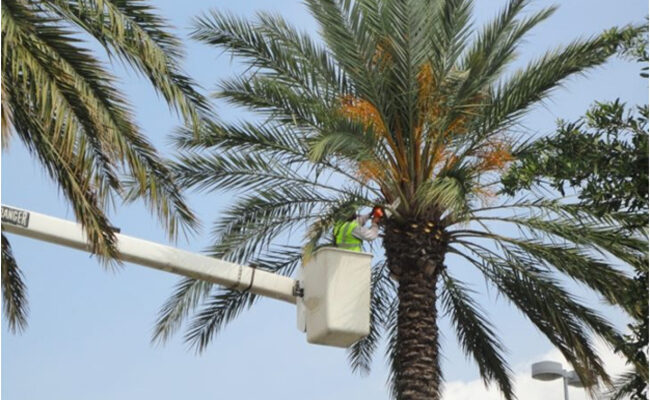
Palm trees are one of the most exotic, loveable trees you can have around, but only when they are in good condition. If they are unkempt or pose a threat to the environment, then they have to be trimmed or removed.

As with any other kind of tree, the total cost to remove or prune a palm tree depends on several different factors. Before doing any additional research, remember that the utility company should be contacted if the tree is dangerously close to power lines. Although not ideal, this could potentially save you a lot of money if you don’t have to pay for it and the utility company will remove the palm tree for you. Learn the important considerations regarding palm tree removal and trimming costs below.

Palm Tree Removal Cost (Hiring a Pro Service)

Palm Tree Removal Cost (Hiring a Pro Service)

Hiring a pro service is the safest way of removing any palm tree. The taller the tree, the riskier the job; therefore, we recommend getting help from professionals.

Palm trees add value to the property, but there are some instances where you may need to remove some; if they pose a threat to people or property, if they are diseased, begin to shed their leaves, etc.

How Much Does Palm Tree Removal Cost?

Most services charge tree removal according to the size of the tree and the number of hours it takes. This loosely translates into between $350 and $2,500 for palm tree removal. It can even take up to a day, depending on the situation.

Removing palm trees with quick access costs averagely between $200 and $1,500 for each tree.

To determine the exact quote, there is a need for the contractor to do an onsite safety assessment. This helps identify any potential risks that you might overlook. He or she has to factor in all risks when pricing.

They can also advise on the safest approach, therefore, reducing their charges.

To help you understand more, let’s consider two main palm tree species common.

1. Cocos palm tree removal cost

Cocos palm tree is the most common palm tree species. If you have one and you want it removed, consider the following figures;

For those with ease access, you can expect to spend;

  • $200 for a small tree
  • $350 for medium-sized trees
  • $600 for large trees

Small Cocos palm trees range from 0 to 5m, the medium size between 5m and 8mand large trees over 8m.

For those trees that are hard to access, you can budget for an extra $50 to $100 for small and medium-sized trees.

2. Premium palm tree removal cost

The premium palm trees are tricky to remove because they have a larger trunk, sharp pines, and venom-covered tips.

For premium palm trees with good access, it costs you

  • $200 for Alexander\ Alexandra palm trees
  • $600 for the cabbage palms
  • $1,000 for cotton palms
  • $1,500 for Canary Island palms

Extra Costs

The numbers presented above are the basic prices of tree removal services. Expect to incur extra costs when you go asking for quotes. You might also get discounts from some service providers.

Most of the figures stated above are what you pay for a single tree. Some of the additional costs to add on are transportation, stump grinding, waste removal, and many more. Stump grinding is the most common, and for this, you can budget an extra $50 for each tree.

Money-Saving Tips

  1. Opt for contractors charging per hour if you have younger trees and those charging per tree if you have mature trees.
  2. Also, get your palm removed when there is a low demand for tree removal services. This way you get to enjoy specific discounts. Only do this if the tree poses no threat at all.
  3. Get several quotes from different tree removal companies.
  4. Opt to do some of the work yourself. This includes debris clearing and waste disposal.

Why Should I Hire A Pro Service Removal Team?

Some of the benefits of getting a pro service team is that;

  1. It is the safest method. Any weight from the palm tree, if not adequately controlled, can cause serious bodily harm. It is less risky if you get a pro service team as they are much more experienced.
  2. It saves you time. The time you would have spent looking for a tree removal permit and strategizing could be spent elsewhere. The service providers have their permits and strategies ready.
  3. You get extra advice from the professionals. During their assessment, they can advise on the best way to conduct the removal. They can also provide other alternatives to handling your situation other than removal.
  4. During their visit, they can identify potential risks that you might overlook or are unaware of.

Other Factors that Determine the Cost of Palm Tree Removal

Various factors add to the overall cost of tree removal. Pro service providers put into consideration the following when pricing;

  • The height of the tree; the higher the tree, the higher the cost.
  • The type/species of your tree.
  • Trunk’s diameter.
  • The state of the tree; is it healthy or diseased
  • Your tree’s location.
  • The proximity to the power line and other hazards.
  • Its accessibility.
  • The time of the year.
  • The weather.
  • The type of terrain.

Original post here https://ift.tt/3fUb5ja.

from AAA Tree Lopping Ipswich https://ift.tt/2S4mrci
via IFTTT

What are Girdling Roots and How do They Effect Trees?

Written by Admin and published on https://www.acompletetreecare.com/

Girdling roots are roots that wrap around the trunk of the tree just below the soil surface. If unnoticed or uncorrected they will strangle the tree to the point of death.

Girdling roots to a tree, is a similar experience to overeating while wearing a belt. When our favorite dish is placed directly in front of us, we cannot help but indulge. Upon indulging, we notice the space between our stomach and belt gradually decreases, resulting in a squeezing sensation. Lucky for us, we can release that tension by removing our belt.  Girdling roots require certified arborists assistance to remove this squeezing nuisance that, in turn, could be detrimental to the tree’s health.

Facts About Stem Girdling Tree Roots

When you imagine the roots of a tree, you likely envision a sprawling root system that expands both above and below ground, and out away from the tree. You would not, however, picture a tree’s root system wrapping itself around the base of the tree. But this odd root behavior is actually possible; a phenomenon known as tree root stem girdling.

Continue reading to learn more about stem girdling tree roots, including what causes them and what you can do about it.

Indianapolis Indiana Tree Service

Trees With Girdling Roots

When the roots of a tree grow in a way that circles around the trunk, it is called stem girdling. This defunct growth can occur above ground and beneath the soil. Roots will appear as if they are strangling the tree, causing it to suffocate; and this is not far from reality. Stem girdling tree roots can in fact reduce or block a tree’s ability to get properly distribute nutrients and water to the rest of the tree.

Common Causes

Stem girdling can happen to any type of tree, but here in Indiana, the most common trees to experience root girdling are maple and linden trees. There are many reasons why tree roots grow in a girdling fashion, but the most common reason has to do with the manner in which the tree was planted. Improper tree planting can cause a long list of problems, including poor tree health. A common side effect of poor tree health is root girdling.

Common improper tree planting practices that can pose a girdling risk include making the hole too small or too deep, or not loosening up container roots prior to planting. Even post-planting improper tree care can lead to stem girdling roots, such as applying too much mulch against the trunk of the tree.

Detecting Tree Root Girdling

It is easy to detect tree root girdling when the roots are above ground, but when they are below, you will have to learn the signs in order to spot them. The most tell-tale signs of below-ground tree root girdling include thinning canopies, bare branches, dead branches, and leaf discoloration. Also, if the trunk looks like it goes directly into the ground, without any curved taper at the base, it could be indicative of girdling.

Solutions For Trees With Girdled Roots

The only way to solve a stem girdling tree root problem is to dig up the base of the tree, chisel down the roots, and apply the best practices for tree care. Talk to a local tree service expert for tree care advice and assistance you can trust.

Original post here https://ift.tt/3c8XDXB.

from AAA Tree Lopping Ipswich https://ift.tt/3wMRsAf
via IFTTT

THE VALUE OF TREE TRUNK INJECTIONS

Written by Wachtel Tree Science and published on https://www.healthytrees.com/

Recently in this space, we discussed the major importance of tree care during the fall season. This transitional period between the summer and winter is vital for everything from tree nutrients to trunk, branch and leaf quality considerations, plus for providing the kinds of protections that allow the trees on your property to stay free of pests and disease during the cold winter ahead.

Why Fall Trunk Injections Are Important

While tree care varies on the time of year, there is no bad time to start considering tree fungus injections. Trunk injections introduce fertilizers and insecticides directly into the xylem of a tree using capsules. This presents an advantage because they ensure the tree is getting 100% of the materials they need without runoff or leaching and the protection they deserve. When it comes to staying on top of tree disease and tree pests, fall tree fungus injections is a must-take precaution.

Fertilizing Trees

Though an injection process can begin anytime throughout the year, the ideal period for treatment is during the fall months. Trees require fewer nutrients in the winter because they’re mostly dormant. Injecting/fertilizing trees during fall will allow the tree to use some of the nutrients to improve and grow roots during the harsh winter weather as protection and store the rest until the spring season. Once the weather changes, the tree will use the stored nutrients to kick-start development.

Winter Pests

Winter pests, such as the emerald ash borer larva and the winter moth, typically are active during the winter months. Severe defoliation and damage under the bark can be caused by these pests. Significant damage can lead to the death of your trees. Tree fungus injecting insecticides in fall helps your tree fight off pests during the season your tree is most susceptible to damage. Limiting infestations will enable your trees to develop healthily during the spring season.

Original post here https://ift.tt/2V8p4Z0.

from AAA Tree Lopping Ipswich https://ift.tt/3yVBUvQ
via IFTTT

How To Keep Your Trees In Tip-Top Shape

Written by Jasper Boekelman and published on https://www.bhg.com/

When it comes to trees, though, they can be quite deceiving. They stand there quietly, seemingly inanimate objects when, in reality, they are very much alive and require care and maintenance to stay in tip-top shape. This is why we’re going to provide you with the best advice so that your trees are always well cared for.

10 Tips to Keeping Your Trees in Tip-Top Shape

One of the joys of living in the country is being surrounded by big, wonderful trees. Not only do they add shade and beauty, but they also add greatly to the value of your property. Replacing even a small tree can run into the hundreds of dollars. It only makes sense, then, to protect your investment and nurture trees so they can be appreciated for generations. Here are 10 tips to keeping your trees healthy.

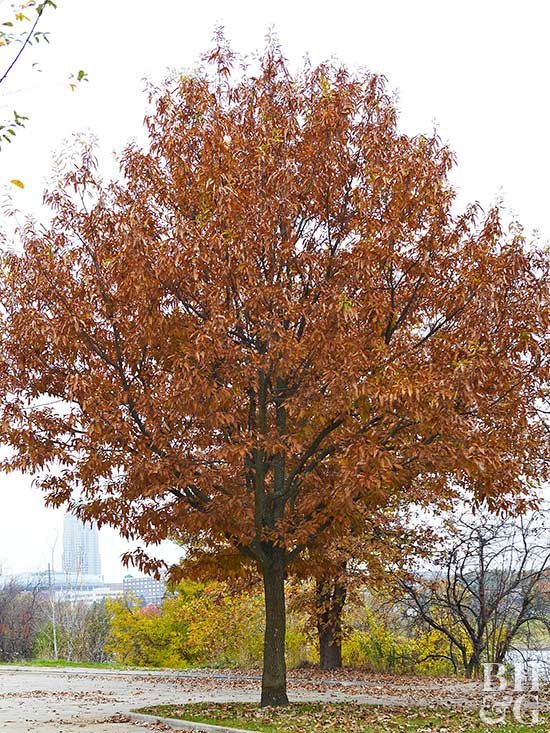
Quercus acutissima

1. Back off. The good news is that, for the most part, trees can fend for themselves. After all, those centuries-old beauties you see dotting the countryside didn’t get that way with lots of fussing and primping.

2. Watch where you dig. Construction is probably the biggest killer of mature trees, especially when heavy equipment is involved. Consider the case of a Missouri couple who designed the driveway of their new house around a glorious 200-year-old tree. They laid the driveway and the tree promptly died.

Even if it seems construction is taking place relatively far away from a tree, remember that a root system can extend two to three times farther than the branches. With a mature tree, that means heavy equipment operating even 60 feet away can compact the soil and damage roots, causing the tree to die in a few months or slowly over a period of years.

So whether you’re laying a driveway or building a shed, take a moment to talk about protecting the trees with any contractor and specify where heavy equipment can and can’t go. It’s best to mark off areas around trees during construction. Stake off areas at least 10 feet from the drip line of the tree, that is, as far as the branches of the tree extend.

3. No parking. Avoid parking vehicles under trees. Over the years, the soil becomes compacted and can slowly kill the tree.

4. Whack carefully. Mowers and weed whackers (power string trimmers) can be tree enemies, nicking the bark and weakening the tree, making an ideal entry point for disease.

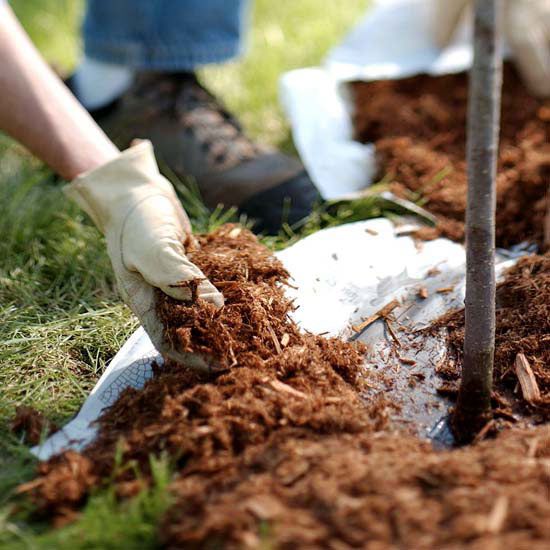
Mulching Newly Planted Tree

5. Mulch regularly. It’s important to mulch around the base of your trees (with the exception of trees in a woodland situation). Apply a 1- to 4-inch layer of wood chips or shredded bark, pine needles, shredded autumn leaves, cocoa hulls, straw, or other biodegradable mulch. The mulch should start an inch or two from the trunk of the tree, extending as far as the drip line or at least 3 feet away from the base of the trunk. Not only will mulch protect your tree from lawn equipment, but also it will suppress weeds and keep moisture in the soil.

6. Don’t overwater or overfertilize. For the most part, a mature tree needs little assistance when it comes to food and water. While trees planted in the last three or four years benefit from additional fertilizing and watering, large trees can actually be damaged by fertilizer and too much water. They can also be damaged by lawn and garden herbicide applications—another good reason to lay down that big circle of mulch so you’re not pouring chemicals into at least part of the tree’s roots.

In the arid West, new homeowners installing sprinkling systems often unwittingly begin watering trees that are used to dry conditions, soaking the soil and depriving them of the oxygen they’re used to. This can lead to sick or even dead trees.

7. Trim back on pruning. Benign neglect is also useful when it comes to pruning. Mature trees seldom need much, other than removing dead or damaged branches and trimming off any suckers that shoot up at the base. Thin, crowded growth on mature branches (especially those of fruit trees), called water sprouts, should be regularly trimmed, as should any rubbing or problem branches.

8. Know your trees and your diseases. Even though your trees don’t need much from you, it’s a good idea to keep a watchful eye over them. Many diseases are specific only to certain species, so to diagnose the problem you’ll first need to know the tree. A good reference book can come to the rescue.

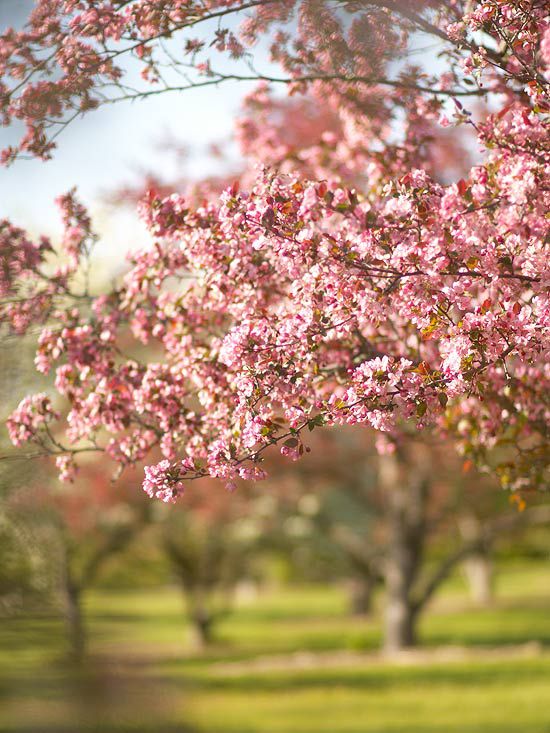
Crabapple

9. Walk your property. Walk your property regularly, and take a close look at your trees. Check leaves and branches for any insects or signs of insect activity, dead twigs, mushrooms growing on or around the base of the tree, and odd spots on leaves.

10. Stand back and enjoy. Few things on your property will give you as much beauty and pleasure for so little labor as your mature trees.

Original post here https://ift.tt/3uzUpTv.

from AAA Tree Lopping Ipswich https://ift.tt/3z3qsi6
via IFTTT

Feeding and Fertilizing Your Trees

Written by Jasper Boekelman and published on https://www.natorp.com/

Ideally, growing trees should be fertilized throughout the year but a bit differently as trees age. A tree needs larger amounts of nitrogen (N) based fertilizer during the growing season. Nitrogen-based solutions should be applied during the early spring and summer months.

Planting trees can give most patches of the earth some color and character. Although trees generally do not require a ton of maintenance aside from regular watering and intermittent pruning, they do benefit from the occasional application of fertilizer.

How to Feed Your Tree

how to feed trees in Cincinnati, Ohio

WHEN SHOULD YOU FEED YOUR TREE?

Spring and mid to late fall are excellent times for feeding. If you’d like to do it yourself, here are the ways we recommend:

  • FEEDING NEWLY PLANTED TREES

For new trees, use a root stimulant such as Bonide’s Plant Starter or Espoma’s Bio-tone.  Both are light and easy feed for new trees and help promote early strong root development.  Plant Starter is mixed with water and poured at the base of the tree.  Bio-tone is added to the soil when backfilling around the tree.

  • PLANTED 1-2 YEARS

For trees planted 1-2 years, we recommend using a water-soluble fertilizer such as Bonide’s Plant Starter or Miracle-Gro, pouring the mixture around the base of the tree. The Ross Root Feeder is another option for water-soluble fertilizing.  It’s a unique tool (attaches to your garden hose) that injects the water-soluble fertilizer right into the soil, as well as helping in light soil aeration. Also, this can be used as a watering tool without adding the fertilizer!

  • PLANTED 3 OR MORE YEARS

Fertilizing your lawn regularly with a lawn food helps to feed your existing trees.

Ross Root Feeders are an easy way to feed larger trees injecting a water-soluble fertilizer into the soil/root zone, as well as watering the tree and lightly aerating the soil.  This is the same process professionals use to feed established and mature trees.  Again, this tool is also an excellent way to water trees during periods of drought!

THE IMPORTANCE OF VERTICAL MULCHING

Vertical mulching is an excellent way to not only core aerate the soil around trees, but it can also be used to feed. Vertical mulching is the process of drilling a series of 2-inch diameter holes approximately 8 to 12 inches into the ground.  These holes are drilled about 18-24 inches apart in a circular pattern, starting 6 feet or so away from the tree’s trunk, working your way out (circular pattern) to several feet past the drip line of the tree.  The holes can be left open or backfilled with coarse products like sand, pea gravel, turface, or compost, followed by a good watering.  This process opens up the soil around the tree for better airflow, better water absorption into the soil/root zone, and creating better areas for the roots to grow.

Vertical mulching can be used as a means of fertilizing the tree by adding a granular fertilizer to the backfill used to fill the open cores drilled around the tree.  This also is an opportunity to apply soil amendments such as soil sulfur and Ironite for chlorotic trees.  This is an excellent way to feed and helps improve the flow of air and water into the soil. It is time and labor-intensive, and maybe one to consider having a professional do for you!

CALCULATING THE AMOUNT OF FERTILIZER TO APPLY WITH VERTICAL MULCHING:

If using Espoma’s Tree-tone, Plant-tone, or Milorganite, read the label for amounts needed.  Then, distribute the amount evenly into all the cored holes.

If using a fertilizer such as 10-10-10, look for a tree feeding rate on the bag.  If nothing is available, then calculate using 1 pound per inch diameter, for tree trunks 1-6 inches in diameter.  For those tree trunks 6 inches diameter or larger, use 3 pounds per inch diameter.  Once finished, be sure to water with good soil soaking.

Original post here https://ift.tt/2SK4S1q.

from AAA Tree Lopping Ipswich https://ift.tt/3fWfVfV
via IFTTT

WHAT YOU NEED TO KNOW ABOUT WRAPPING TREES FOR WINTER

Written by Jasper Boekelman and published on https://www.thetreecareguide.com/

Wrapping the trunk of your trees when they go dormant protects the bark from damage or possible splitting. Most tree growers know that maintaining the tree’s health in winter is crucial to ensure they’re all set for a successful growing season.

A tree wrap is a huge part of essential tree care in winter. Young trees are susceptible to girdling animals that dig holes up in a snug spot among your trees.

Besides, extreme cold can be stressful on trees, especially on saplings not yet able to establish a rooting system like mature trees.

Wrapping Trees for Winter

Prevent tree damage and death during harsh winter months. Knowing how to prepare and protect your trees through the coldest months of the year will help them grow and thrive when spring arrives.

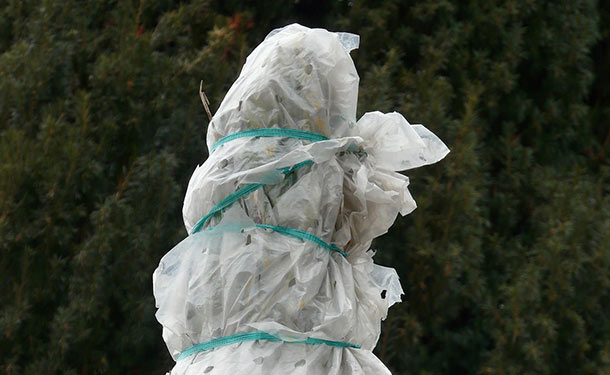
Winter evergreen tree wrapped for protection

thetreecareguide.com gathered information on wrapping trees for the winter and why it is essential to prepare and protect trees from hazards that come with cold weather.

Tree Wrap

When your trees are young, have thin bark, or are arborvitae, they require a bit of extra attention to make it through severe cold weather. When trying to decide how or if to wrap your tree, consider the following:

Deciduous Trees – During autumn months, deciduous trees not only lose their leaves, but their metabolism also slows down in preparation for dormancy. After planting, the trunk should be wrapped or protected from the root flare (at the bottom of the trunk) up to the first set of lower branches during the first five years.

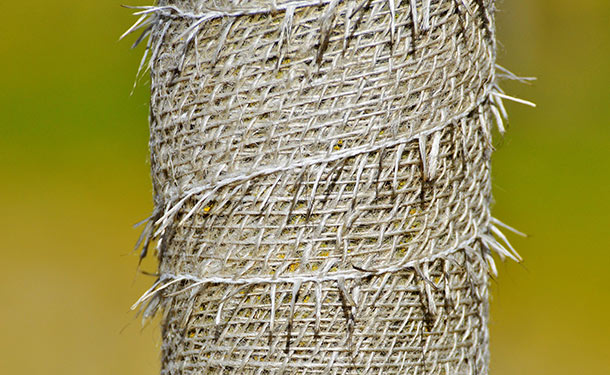
Winter deciduous tree burlap trunk wrap
  • Tree wraps should be made from a breathable material (burlap, Kraft paper, etc.) that does not adhere to the tree. These wraps protect the bark from suffering sunscald.
  • Tree protectors are generally made from a more sturdy material (vinyl, PVC, plastic) that loosely fit around the trunk and protect the tree from sunscald and wildlife. Specifically, deer that use tree trunks to rub their antlers.

Sunscald, also called southwest injury, occurs during late winter and early spring when:

  1. Tree bark is exposed to cold or freezing temperatures
  2. The sun comes out and heats up the bark (this activates tree cells, breaking dormancy)
  3. The sun is then blocked or goes down, and the warmed bark rapidly drops in temperature

Exposure to such temperature fluctuations ends up damaging tree cells and can severely interrupt the phloem and xylem located beneath the bark. Sunscald will likely lead to:

  • Sunken, discolored areas of bark
  • The formation of cankers in affected areas
  • Bark cracking or splitting

Deciduous trees most susceptible to sunscald include young or newly planted trees, those trees suffering from drought conditions, and hardwoods with thin bark. At-risk species include:

  • Poplar
  • Aspen
  • Maple
  • Sycamore

Tip: For best results, avoid using material that adheres to tree bark or tightens/shrinks around the tree’s trunk.

Watch this video to see how to apply tree wrapping.

Evergreen Trees – Evergreens, like deciduous trees, can suffer crippling damage during winter months. If your evergreens have suffered from the following, they should be wrapped for the winter:

  • Newly planted or transplanted
  • Exposed to high or constant wind
  • Exposed to drought or exhibits signs of drought (yellowing, browning, or becoming brittle)
  • Has been affected by infestation or disease
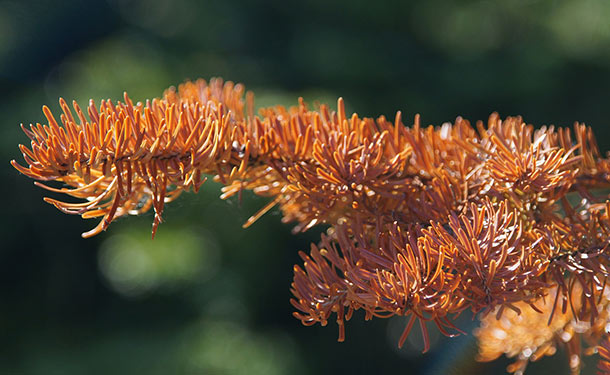
Winter tree damage includes cankers sunscald and dieback

Wrapping your evergreen trees and shrubs can be accomplished in several ways. Here are two effective methods:

Method One – For this method, you will physically wrap the tree with burlap:

  • Loosely wrap the tree from its base to its tip
  • Use twine (around the tree) to tie the bottom, middle, and top of the tree

Be careful not to tightly “mummify” the tree. The wrap should be able to breathe, and the twine should be snug but not tight enough to damage the foliage or branches.

Method Two – In this method, you are erecting a barrier around the tree and will need three stakes slightly taller than the tree:

  • Mark a triangle in the soil around the tree (large enough for the entire tree to fit inside)
  • One point of the triangle should be on the side of the tree that gets the most wind
  • Drive one stake in front of the tree (the side that gets the most wind)
  • Drive the other two stakes at the other points of the triangle
  • Stretch burlap around the tree, stapling it to the stakes as you go

The end result of this method should appear to be a triangular fence around your evergreen.

When To Remove Tree Wrap

Tree guards and wraps should be removed in early spring. Watch your deciduous trees and shrubs, when they break dormancy and begin their growing season, guards and wraps should come off.

While these protective materials can preserve your tree in the colder months, it can provide a perfect, moist environment for insect infestations and trunk disease growth.

As the growing season begins, be sure to remove guards and wraps before applying pest control products, and keep them off until needed for the next winter.

Tip: If you plant landscape trees in spring, leave the trunks unwrapped until late fall to allow the bark to harden/thicken.

Winter Tree Protection

Using tree wraps and guards is an effective way to preserve your trees’ health in their youth. However, the greatest way you can aide your trees is by promoting their health and vigorous growth. You can do this by:

  • Ensuring your trees are well-watered throughout the year
  • Mulching the root plate to conserve moisture and regulate ground temperature
  • Seasonally and properly prune
  • Fertilize when necessary
  • Prevent or immediately treat infestations and signs of disease

Note: The combination of proper watering and mulching helps prevent winter heaving (repeated ground freezing and thawing, that pushes roots to the surface).

Winter tree root problems when the ground freezes and thaws causing heaving

Tip: Have all of your trees and landscape annually inspected by an arborist. Their trained eyes can help you avoid or correct issues that most people fail to detect until massive damage has already occurred.

Protecting Trees in Winter

In this article, you discovered information about wrapping trees and using tree guards to protect them from the dangers accompanying winter months.

Taking measures to protect your trees during winter helps them remain healthy and vigorously grow in the spring.

Leaving your trees exposed to the elements can cause severe damage, weakening your trees’ health, leaving them susceptible to disease and deadly infestation.

Original post here https://ift.tt/3vCdu8P.

from AAA Tree Lopping Ipswich https://ift.tt/3i4jSSa
via IFTTT

Best Time To Prune Dormant Trees

Written by Admin and published on https://www.thetreecareguide.com/

Trees that shed their leaves annually, or deciduous trees enter a dormant state during fall or winter to help them survive the lower temperatures and the lack of water caused by icing and frost. This is a very good time for winter pruning, also called dormant tree pruning and 90% of the pruning can be done during this time.

The deciduous trees are still alive during winter dormancy. However, with the exception of some root growth when soil temperatures are favorable, the rest of the tree conserves energy by stopping growth  and generally waiting out for the cold season to pass.

Deciduous Tree Pruning in the Dormant Season

Temperatures are beginning to plunge and winter is setting in. With the change in seasons, deciduous trees have either begun to or have completely shed their leaves, entering into dormancy.

Deciduous leafless trees in the dormant season

Dormancy is one of the most amazing natural processes by which deciduous plants, shrubs and trees shed their leaves, slow their metabolism down, and conserve energy throughout the coldest months of the year.

When is the Dormant Season

Common knowledge is that the winter months are when dormancy occurs for deciduous trees, plants, and shrubs. While there is some truth to this, the dormant season is relative to two types of dormancy:

Predictive Dormancy – This type of dormancy occurs when deciduous trees, plants, and shrubs enter dormancy before the onset of freezing temperatures or the winter season. A common trigger of predictive dormancy is the falling autumn temperatures.

Consequential Dormancy – This type of dormancy occurs when deciduous trees, plants, and shrubs enter dormancy after the onset of adverse weather or winter.

Predictive and consequential dormancy for deciduous trees

In either case, the dormant season ends when the average temperature begins to rise again and the organisms begin to bud. Typically, this occurs in the beginning weeks of spring.

Pruning During Dormancy

The time to prune your trees and shrubs is now (the beginning of dormancy) or in early spring (just before they exit dormancy). Pruning in the beginning or end of the dormant season will save trees and shrubs from unnecessary shock, helping them maintain their form and structure. With less weight to carry and more light reaching the inner branches, they will come out of dormancy flourishing in the spring.

Only emergency cutting or pruning should be performed throughout the depth of the winter months. Once winter has set in, branches and extremities get brittle and pruning will end up doing more damage than good.

NOTE: Special attention must be given to oak and elm trees. The dormant season is the only time they should be pruned (with exception of emergency situations). Pruning, trimming or cutting during this time will help avoid the spread of Oak Wilt and Dutch Elm disease.

Deciduous tree at end of dormancy in the spring

Tree Emergencies, Severe Weather, and Preventative Tree Care

During untimely snow storms, blizzards or harsh winter weather conditions, trees are more prone to injury. In a deep freeze with heavy snow accumulation, it is not uncommon for branches or limbs to break and fall.

NOTE: Evergreen trees, shrubs and plants do not lose all of their leaves in the winter months. They do in fact lose and replenish their foliage throughout the year and depend on stored water to prevent drying out or burning during the dormant season for deciduous trees.

Scheduling a tree professional to inspect your trees as the dormant season gets under way is an excellent start to preventative maintenance. It will also help you to avoid potentially devastating accidents possibly resulting in severe property damage and even loss of life. In this sense, the importance of proper tree care and maintenance cannot be overstated.

Original post here https://ift.tt/3c1tbyD.

from AAA Tree Lopping Ipswich https://ift.tt/3pe8fKc
via IFTTT

Tree Planting Season: Tips For The Best Success

Written by Admin and published on https://www.thetreecareguide.com/

Waiting for warmer spring weather can be like watching trees grow – a slow, and tortuous process. While you wait for winter to finally melt away, think about the springtime tree planting. One of the first things to consider when selecting any plant for a landscape should be the functional role the plant will play in the overall landscape.

Tree Planting Season Is Near, Learn 4 Essential Planting Tips

tree planting a newly transplated tree

Most often trees are planted to either provide beauty or to offer refuge and shade to an area. Considering the fact that trees are not cheap, you want to protect your investment and ensure the trees you invest your time into grow and become healthy mature trees.

Your tree selection, planting location, and the care provided during and after newly planted trees are in the soil are determining factors of whether your trees grow and flourish.

For Most Regions Fall is the Season to Plant New Trees

Ideally, trees are planted during the dormant season when weather conditions are cool. This schedule allows plants and trees to establish roots in their new location before spring rains and summer heat stimulates new growth.

A good time to accomplish said goal is in the fall after the leaves drop. In situations were this season passes, early spring would be your next best opportunity for your planting.

Many regions in the United States experience all four seasons, but take note that in tropical climates trees grow year round. Thus, given there isn’t a drought and water is readily available, any time works to plant a new tree.

Proper Tree Selection and Planting Location Is Critical

Available space is probably the consideration most overlooked or misunderstood when deciding what tree to plant and where to plant it. Before you plant, it is important to have a general understanding of its size and what the tree will look like as it nears maturity.

Small trees need to be placed anywhere from 6 feet to around 15 feet away from other trees or property structures. Larger trees naturally need more space, and should be allotted from 15 to 50 feet apart.

dangerous trees planted near a home

As mentioned, proper spacing depends on knowing a trees probable mature height, crown spread and root growth. The right placement will avoid collisions with power lines, buildings, and in the event of a storm mitigate your need for an emergency removal service or damage to your structure.

Plan for Exposure to the Sun and Shade the Tree Will Provide

Sun exposure and soil requirements of the species are additional factors you must consider when choosing the type of tree you will plant. Areas that have intense sun exposure will dry the soil leaving it lacking the moisture that some species require.

With proper research and an effective landscape design, you can produce a yard that will cool your home during the summer months, deflect the winter wind, and produce the aesthetics that will increase your property demand and resell value.

Caring for Newly Planted Trees

When the root system of a tree is dug up from it’s native environment, a common reaction is a state of reduced growth known as transplant shock. This is expected, but an arborist or tree planting expert takes steps during its planting to reduce this effect and ensure a speedy recovery. However, what’s done after the tree is in the ground will largely affect how it recovers from this planting stress.

Consider these points before aimlessly planting new trees, and the likelihood they grow into healthy mature trees will increase. Never hesitate to call a tree professional.

Original post here https://ift.tt/3yLqqLH.

from AAA Tree Lopping Ipswich https://ift.tt/3g0UfyW
via IFTTT

What To Do If Your Tree Is Struck By Lightning?

Written by Jasper Boekelman and published on https://blog.davey.com/

Lightning can undoubtedly be considered as one of the greatest threats to massive trees. As a matter of fact, every year, thousands of trees get struck by lightning. Moreover, it has long been proven that taking shelter under a tall tree in a thunderstorm is one of the most ill-advised things to do.

Being usually the tallest object around a given area makes a tree a natural lightning rod during tempestuous weather. There have even been recorded instances of trees getting blasted by lightning in sunny weather! And with more than 100 lightning strikes happening around the world every second, there’s a fairly good chance that your tree might get hit one of these days.

MY TREE WAS STRUCK BY LIGHTNING. WHAT DO I DO?

Across the world, lightning strikes millions of times per day. Each bright bolt poses a threat to nearby trees, and sometimes our treasured plants suffer well after a storm has passed.

One of those troubled trees belongs to Anita, a Davey blog reader. She reached out to ask about the best next steps for a maple in her yard that fell victim to lightning damage. She said: “Our large maple tree was apparently struck by lightning about three years ago. At first, we noticed a couple of dead branches, and this year half of the tree has no leaves and appears dead. Should we cut it down?”

Anita poses a great question: lightning can injure trees to the point that they need to be removed for safety. But, let’s dig a little deeper into what could be going on with your lightning-struck tree.

MY TREE WAS STRUCK BY LIGHTNING. WHAT DO I DO NOW?

First and foremost, any hanging or broken branches should be removed ASAP. If they’re too large for you to remove on your own, have a certified arborist do the job.

Lightning damage also warrants a tree inspection. As you’ll read below, it’s hard to say if a tree will or won’t bounce back from a lightning strike, so it’s best to get an arborist’s opinion.

SIGNS THAT A TREE WAS STRUCK BY LIGHTNING

The tricky thing about lightning damage is that it can be very subtle, if not completely unnoticeable. Lightning strikes the inside of a tree, targeting a layer underneath the bark that we can’t see. So it’s not uncommon for a tree to look totally normal for days or even weeks and then slowly decline. Or, some trees die shortly after a storm.

Sometimes, though, the inner damage does affect the outer parts of the tree. In this case, lightning damage looks like:

  • A crack or slit that runs down the tree’s trunk
  • Chunks of bark stripped off the tree
  • Sparse leaves; or wilted leaves throughout the canopy
  • “Burned” or blackened areas of bark

WILL MY TREE DIE IF IT’S STRUCK BY LIGHTNING?

Not necessarily. Some trees can overcome the damage after being struck. But the fate of your tree depends on a lot of factors—its health, its species, its age and even its location. Plus, even if your tree didn’t die from a strike per se, it may have been wounded, leaving an entryway for insects or pathogens to attack and weaken the tree in the long term.

That being said, the general consensus is trees that were only stuck on one side of the trunk have a pretty good chance at survival. But if both sides of a tree are damaged, it will likely need to be removed.

HOW TO PROTECT MY TREE FROM LIGHTNING DAMAGE

Hands down, a lightning protection system is a tree’s best defense against harmful bolts. The system diverts lightning away from the tree by giving it a different path to the ground. Keep in mind that no system is 100% guaranteed to prevent damage, so consult with a certified arborist if you’re interested in having a lightning protection system installed.

In the meantime, a little TLC can go a long way both before and after lightning damage. Making sure your tree is supplied with mulch, well-watered, fertilized and pruned keeps it strong before the storm and will help it during the recovery process.

Original post here https://ift.tt/3vyJz1c.

from AAA Tree Lopping Ipswich https://ift.tt/2SGqfAK
via IFTTT